
Popular VR games are the virtual reality titles most players choose across arcades and home headsets because they blend easy onboarding with high replay value. At The Next Level inside The Factory at 100 Kellogg Lane in London, Ontario, you can try these hits firsthand in personal gaming pods or 1–6 player VR escape rooms.
By The Next Level Team · Last updated: June 19, 2026
At a Glance
The most popular VR games balance fast learning with deep challenge. Expect quick tutorials, clear objectives, and satisfying motion that feels natural with room‑scale tracking. At The Next Level, that mix spans rhythm slashing, co‑op adventures, creative sandboxes, sports sims, and immersive VR escape rooms for 1–6 players.
This complete guide is built for players, parents, teachers, and team leads who want fast, confident choices. You will find:
- Clear definitions and why “popular” matters in VR
- A practical overview of genres and comfort levels
- A 12‑title comparison table you can scan in a minute
- A 60‑second choosing guide for first‑timers
- Tips for family play, school outings, and team building
- Local notes for Old East Village visits and timing
Use the table of contents to jump where you need. Every section opens with a crisp summary for quick answers.
Local considerations for Old East Village
- Plan your arrival and meetup point inside The Factory; traffic ebbs around community events near the London Children’s Museum. Build in a five‑minute buffer before your pod or escape room time.
- Winter and summer breaks get busy. Reserve sessions early for weekend groups, especially corporate teams combining play with stops near Gateway Casinos London.
- For school groups, split into 22 pods or rotate teams through 12 escape rooms. Our staff helps balance skill levels so everyone gets hands‑on time.
- Popular picks in 2026
- Why popularity matters
- How play works here
- Types and genres
- 60‑second choosing guide
- Comparison table (12)
- Best practices
- Tools and resources
- Mini case studies
- FAQ
- Key takeaways
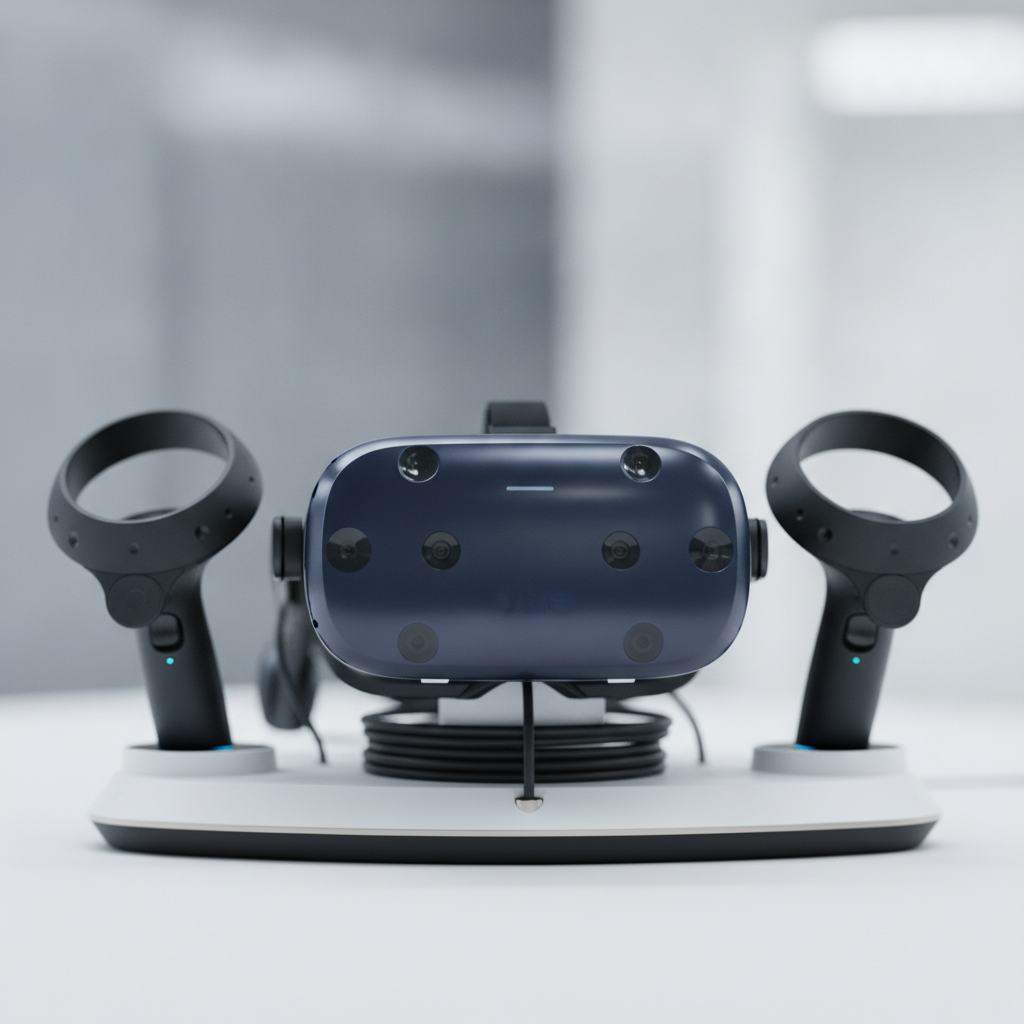
Popular VR games in 2026: what players choose first
In 2026, the most popular VR games at arcades emphasize instant fun, short rounds, and co‑op replay value. Rhythm slashers, wave shooters, social party games, and accessible sports lead the charts. In London’s Old East Village, groups gravitate toward quick‑to‑learn hits that fit 30–60 minute sessions in Middlesex County.
When people ask our staff what to try first, we look for a fast win within two minutes. Popular VR games deliver exactly that. The best ones scale from brand‑new players to competitive friends without long instructions.
- Rhythm & timing: Kinetic music games that feel like a dance workout, great for all ages and quick leaderboards.
- Arcade shooters: Standing wave shooters with natural aim‑and‑move mechanics and escalating rounds.
- Social & party: Lighthearted mini‑games and co‑op challenges where chatter is half the fun.
- Sports sims: Boxing, ping‑pong, and archery—easy to understand, surprisingly deep to master.
- Creative sandboxes: Paint, sculpt, build, and share 3D ideas with intuitive tools.
- VR escape rooms: 1–6 player adventures with coordinated puzzles and cinematic moments.
At The Next Level, the environment is purpose‑built for these categories: 22 room‑scale pods, motion controllers at every station, and 12 VR escape rooms your group can clear together. Sessions commonly run 30 or 60 minutes, so you can stack three or four short games or deep‑dive one co‑op mission.
For a curated starter list, jump to the 12‑title comparison table. If you prefer a recommendation, see our 60‑second choosing guide—it funnels you to a perfect first pick fast.
Why “popular” matters in VR
Popularity is a signal for smooth onboarding and satisfying challenge. Games many people replay tend to teach quickly, respect comfort, and reward short sessions. If you’re bringing a mixed‑experience group, popular titles reduce friction so everyone contributes within minutes.
We host families, school groups, and corporate teams daily. Mixed experience is the norm. A parent may be brand‑new while a teenager has hundreds of hours in VR. The most popular games solve for both by offering:
- Immediate clarity: Your goal is obvious after a 10–30 second tutorial.
- Comfort‑aware design: Standing play, limited artificial motion, and clear boundaries.
- Short, modular rounds: Frequent checkpoints and natural swap points, ideal for 30–60 minute bookings.
- Co‑op and party modes: Team play where every role matters, even at beginner skill levels.
- Skill ceilings: Depth that keeps competitive friends and returning guests engaged.
In our experience running 22 pods and 12 escape rooms, groups who start with a popular, comfort‑friendly pick finish more puzzles, post higher scores, and leave with better photos and videos. If you’re organizing a birthday, offsite, or class trip, that momentum matters.
For deeper context around comfort and presence, our virtual reality experience guide explains why room‑scale tracking and hand presence make learning curves shorter and wins feel earned.
How VR gameplay works at The Next Level
You book a pod or escape room, arrive a few minutes early, and our team handles setup. After a short safety and comfort briefing, you’ll jump into curated games matched to your goals. With 22 pods and 12 escape rooms, groups rotate smoothly so everyone stays active.
Here’s the typical flow for individuals and groups. It’s designed for minimal downtime and maximum hands‑on time.
- Reserve: Choose personal pods or 1–6 player escape rooms. Decide on 30 or 60 minutes based on your group’s size and energy.
- Arrive & brief: Meet inside The Factory at 100 Kellogg Lane. We cover safety, boundaries, and headset comfort in under two minutes.
- Fit & calibrate: Our staff adjusts the HTC Vive Pro headset and controllers for your height and IPD, then confirms tracking in each 9×9 pod.
- First win: We start with an easy, high‑energy game so everyone gets a quick victory within the first few minutes.
- Rotate or deepen: Swap players between rounds or stay in one title and push difficulty. Leaderboards make friendly competition simple.
- Wrap & replay: Save time for one final favorite. Staff can queue it up and capture a photo of the team celebrating the result.
For birthdays, corporate events, and school outings, our private party room adds lounge seating and large TVs so spectators can cheer. That social layer turns a good session into a great one—you’ll see the wins on screen and hear them across the room.
If you’re mapping out a full evening around Old East Village, this VR arcade gaming guide covers pacing, group sizes, and suggested game mixes for 4–20 people.
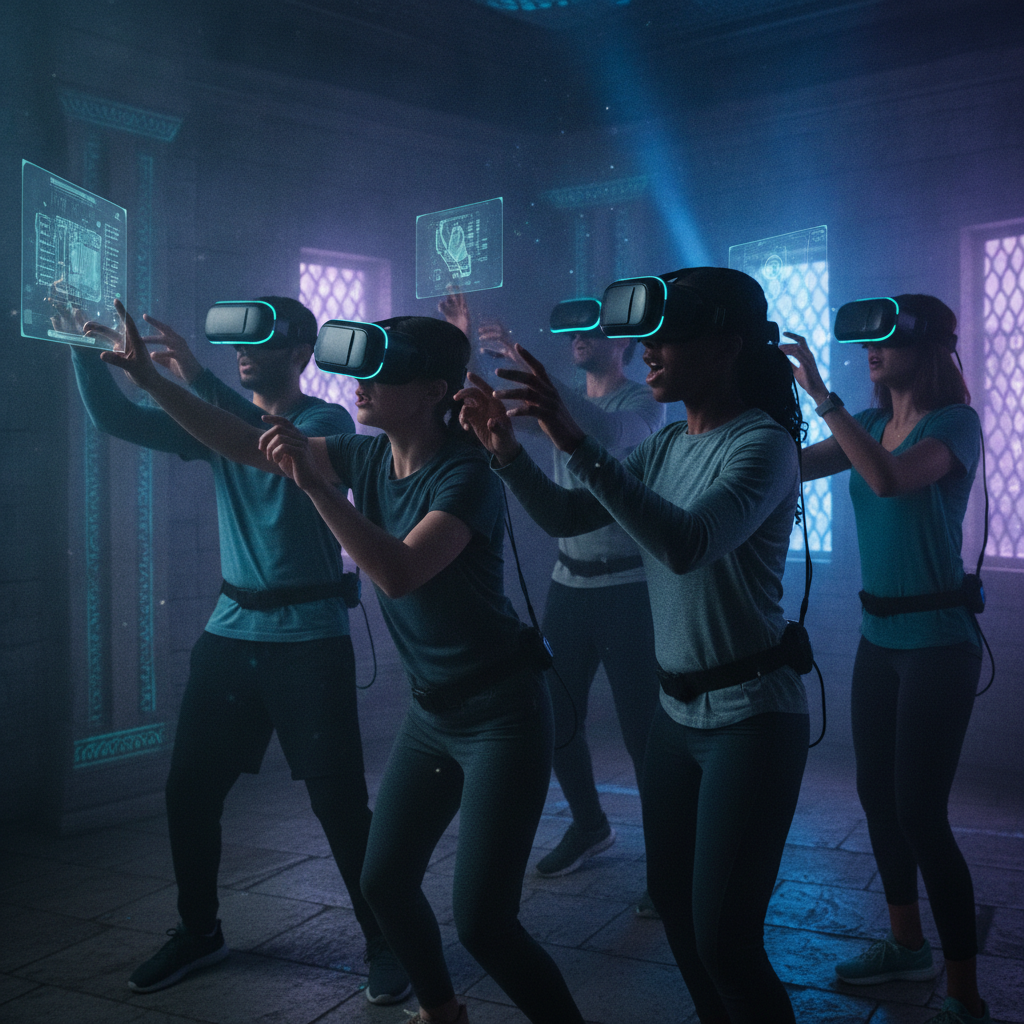
Types of VR games (and how to match them to your group)
Popular VR games cluster into eight categories: rhythm, shooters, sports, creative, puzzle/escape, platformer/arcade, party/social, and adventure. Match your pick to player comfort, desired intensity, and whether you want co‑op teamwork or friendly competition.
Core categories you’ll see on site
- Rhythm & movement: Music‑driven slashing and dodging with instant feedback and upbeat playlists. Great warm‑up for all ages.
- Wave shooters: Stand your ground, aim naturally, and survive escalating rounds. Clear objectives keep stress low.
- Sports sims: Boxing and racket sports reward real‑world form. Easy to learn, deep to master.
- Creative sandboxes: Paint and sculpt in 3D space; ideal for art classes and STEM tie‑ins.
- VR escape rooms: Team puzzles and narrative beats. 1–6 players move, search, and solve together.
- Platformer/arcade: Short, colorful challenges with precise movement and timing.
- Party/social: Hilarious micro‑games built for rotating turns and spectators.
- Adventure/co‑op: Shared missions with roles and boss encounters for the “one big quest” crowd.
Comfort and intensity guidance
- Beginner‑friendly: Stationary games with natural arm movement (rhythm, archery, creative) limit potential motion sickness.
- Moderate movers: Short bursts of artificial locomotion are fine for most teens and adults after a warm‑up.
- High‑energy players: Boxing and dance‑heavy rhythm games can feel like a workout—great for parties and team bonding.
For a fast match, think: What mood do you want? High score bragging rights, a cinematic team victory, or a creative masterpiece to share? Your answer points to the right category immediately.
Browse our evolving library any time—this VR game library overview explains how we curate titles for different ages and goals.
Buying/choosing guide: pick your next game in 60 seconds
Decide by player comfort, team size, and desired outcome. For laughs and quick wins, choose rhythm or party games. For teamwork and photos, go with a VR escape room. For competition, pick boxing, ping‑pong, or a score‑chasing shooter.
- Choose comfort: New to VR? Start with rhythm, archery, or creative. Comfortable? Add co‑op shooters or sports sims.
- Size your team: Solo/duo nights shine with rhythm and sports. Trios and quads love party games and co‑op shooters. 4–6 equals prime escape room territory.
- Set a goal: Laughs and photos? Party or rhythm. Shared victory? Escape room. Bragging rights? Boxing or score chases.
- Map your time: In 30 minutes, stack two or three shorter games. In an hour, warm up, hit a feature title, then replay your favorite.
- Ask staff to steer: Tell us ages, comfort levels, and vibe. We’ll queue the right mix and handle all switching.
Want pre‑built mixes? Our immersive experiences guide lists suggested lineups for birthdays, office offsites, and school field trips.
Comparison table: 12 popular VR games (availability varies)
Here’s a quick‑scan comparison of 12 fan‑favorite VR titles and categories commonly played at arcades. Use it to match intensity, comfort, and session length to your group’s plan. Titles rotate and update frequently—ask our staff what’s running today.
| Title or Category | Genre | Solo/Co‑op | Intensity | Comfort | Typical Session | Best For |
|---|---|---|---|---|---|---|
| Beat Saber (rhythm) | Rhythm | Solo | Moderate | High | 5–10 min rounds | All ages, warm‑ups |
| Superhot VR | Shooter/Puzzle | Solo | Moderate | High | 10–15 min | First‑timers, strategy |
| Pistol Whip | Rhythm Shooter | Solo | High | High | 5–8 min | Score chasers |
| Job/Vacation Simulator | Sandbox | Solo | Low | Very High | 5–10 min | Kids, families |
| Gorilla Tag (arcade) | Movement/Tag | Multi | High | Moderate | 5–10 min | Active groups |
| Among Us VR | Social/Party | Multi | Moderate | High | 10–15 min | Party nights |
| The Walking Dead: S&S | Action/Survival | Solo | High | Moderate | 15–20 min | Thrill seekers |
| Arizona Sunshine 2 | Co‑op Shooter | Duo/Co‑op | High | Moderate | 10–20 min | Friends, duos |
| Creed: Rise to Glory | Sports/Boxing | Solo/Duo | High | High | 3–5 min rounds | Competitive pairs |
| I Expect You To Die | Puzzle/Escape | Solo | Low | Very High | 10–15 min | Thinkers, storytellers |
| Half‑Life: Alyx | Adventure/Action | Solo | High | Moderate | 20–30 min slices | VR enthusiasts |
| VR Escape Room (assorted) | Team Puzzle | 1–6 Co‑op | Moderate | High | 30–60 min | Teams and classes |
Use this table to plan rotations. For example, a six‑person birthday can split into two trios: one trio tackles a VR escape room while the other cycles through rhythm and boxing, then they swap. Everyone gets a full role and a highlight moment.
Best practices: smoother sessions and bigger smiles
Warm up with low‑motion games, rotate fairly, and set one shared goal. Keep water handy, listen to staff prompts, and snap a photo at the end. Small adjustments like these turn good sessions into highlight‑reel memories.
Before you play
- Arrive five minutes early: Fitting headsets calmly pays off with better tracking and fewer breaks.
- Pick a warm‑up: Rhythm or creative titles get bodies moving without tricky controls.
- Set a single target: “Beat 100K,” “Solve the vault,” or “Win two rounds.” Clear goals increase focus and fun.
During your session
- Rotate with purpose: Swap at natural checkpoints so every player gets equal turns.
- Use spectator TVs: In the party room, narrate highlights and cheer. It builds momentum and great photos.
- Mind comfort: If someone feels off, switch to stationary or creative for a few minutes.
After you finish
- Replay the hit: End with the group’s favorite title—confidence is highest and scores jump.
- Capture the win: Ask our staff for a celebratory photo in front of your pod lineup.
- Plan the rematch: Note the top two games and come back ready to push difficulty.
Want more structure? Our gaming experience guide shows sample run‑downs for 30‑ and 60‑minute sessions by age group.
Thinking about a birthday, team social, or class trip? We’ll build a game rotation that fits your time and goals. Start with our concise London VR arcade overview, then message our staff with your headcount and preferred vibe.
Tools and resources (hardware, curation, and planning)
Expect high‑end headsets, room‑scale tracking, and motion controllers at every pod. Our team curates an evolving library and helps you choose titles that fit your group. Planning a party or offsite? Use our guides and FAQs to finalize timing and rotations.
- Hardware on site: HTC Vive Pro headsets, motion controllers, and room‑scale tracking in 22 individual pods. Every station is staffed for quick assistance.
- Content curation: We update the library continuously, retiring slow performers and highlighting new crowd‑pleasers based on real play data.
- Group logistics: Private party room with lounge seating and large TVs helps spectators enjoy the action.
- Planning help: See policies and preparation tips in our VR FAQ. For venue‑tour ideas beyond gaming, explore virtual tour technology trends for event planners.
If you prefer a simple starting point, our VR arcade games page highlights evergreen hits that teach fast and replay well for groups of all sizes.
Mini case studies: how groups win here
The right mix sparks teamwork, celebrates strengths, and respects comfort. These three snapshots show how families, companies, and schools use popular VR games at The Next Level to create memorable, shareable wins.
Birthday trio (ages 9–11) + two parents
- Goal: Keep energy high and attention focused.
- Mix: Rhythm warm‑up, comedic sandbox, then an easy VR escape room chapter.
- Result: Every child gets multiple turns; parents cheer from the party room TVs and jump in for the finale.
Corporate quartet (new hires)
- Goal: Icebreakers plus a shared victory.
- Mix: Short party micro‑games, co‑op wave shooter, then a puzzle‑heavy VR escape room.
- Result: Quick laughter lowers barriers; the group finishes within time and nabs a team photo for internal comms.
STEM class rotation (grade 8)
- Goal: Blend creativity with problem solving.
- Mix: Creative 3D painting, physics‑based puzzles, then archery or rhythm for a kinetic finish.
- Result: Students alternate roles, show creations on the TVs, and leave with new vocabulary about spatial design.
Need a nudge picking titles? Our immersive experiences guide maps mixes by age, comfort, and session length.
Frequently Asked Questions
Most first‑timers ask about comfort, age ranges, and how to choose games. Here are concise answers to help you book with confidence and plan an engaging session for every player.
What are the best popular VR games for beginners?
Rhythm titles, archery, and creative sandboxes teach fast and avoid heavy artificial motion. They’re perfect warm‑ups before you try shooters or sports. Ask our staff for a two‑game starter combo that fits your group’s ages and goals.
How many people can play together in a VR escape room?
Our VR escape rooms support 1–6 players. We help assign roles so everyone contributes, and we can run multiple rooms in parallel for larger groups. Expect clear objectives, puzzle variety, and a cinematic finish.
How do you pick games for mixed skill levels?
Start with a comfort‑friendly warm‑up, then stack short rounds where swapping is natural. We balance stations so confident players push difficulty while newcomers collect quick wins. Your host can queue titles and handle all switching.
Can we book both pods and an escape room?
Yes. Many groups split time—warming up in pods and then tackling a team puzzle. With 22 pods and 12 rooms, rotations are smooth. Tell us your headcount and preferred vibe, and we’ll map a clear plan.
Wrap‑up and key takeaways
Pick a popular, comfort‑friendly title first, then build to your “main event.” Use short rounds, clear goals, and fair rotations. With 22 pods and 12 escape rooms, The Next Level makes it easy to match every group to a memorable win.
Key takeaways:
- Popular VR games teach fast, respect comfort, and reward short sessions.
- Decide by comfort, team size, and desired outcome—laughs, victory, or bragging rights.
- Use our 12‑title table to match intensity and session length to your plan.
- For groups, consider the private party room for shared viewing and hype.
- Ask our staff to queue a warm‑up and finish with a fan favorite.
Ready to plan? Start with our concise VR gaming guide and bring your crew to Old East Village for your next highlight‑reel night.