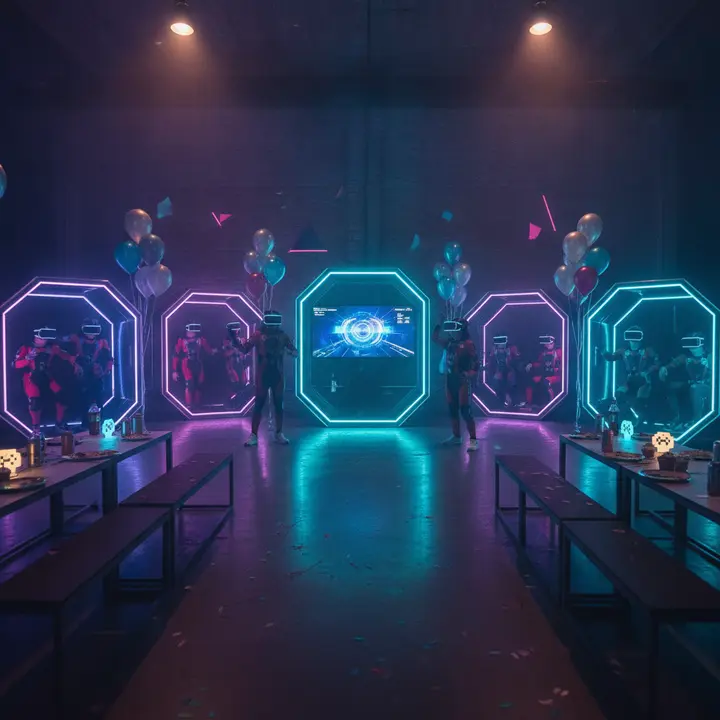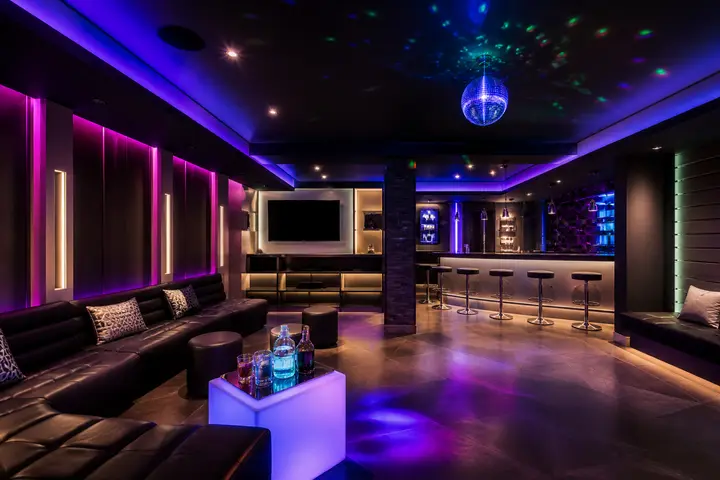

Choosing and preparing a party room can feel overwhelming—there are layout decisions, décor, timing, food, entertainment, and cleanup to coordinate. This practical checklist walks you through each step so you can plan confidently and host an event that feels effortless for guests and for you.
What makes a great party room
Before you book, align the room with your event’s goals. A great space should fit your guest count comfortably, support your activities, and make it easy to set up, host, and pack down. When you evaluate options, look for:
- Right-sized capacity: Enough seating and standing room for mingling, with space for activities, displays, or a buffet.
- Flexible layout: Movable tables/chairs and clear zones for food, gifts, and entertainment.
- Audio/visual support: TVs, projectors, or music capability if you plan slideshows, gameplay viewing, or announcements.
- Easy access: Clear directions, nearby parking or transit, and minimal stairs or obstructions.
- Simple setup and cleanup: Time buffers for decorating and teardown, plus straightforward waste and recycling options.
Once the space checks those boxes, the rest comes down to good planning and a tidy timeline.
Space, layout, and flow
Map the room before event day to prevent last-minute traffic jams and table shuffles. Sketch a quick floor plan with simple zones:
- Welcome zone: Place signage and a check-in or name-tag station away from door swing. Add a coat rack nearby.
- Food and drink: Keep away from doorways and high-traffic paths; arrange in a U or L shape for smooth service.
- Activities area: Leave a safety buffer around games or interactive elements; avoid placing them near the buffet.
- Seating clusters: Create conversation pockets of 4–6 chairs plus a few standing-height surfaces for drinks.
- Gifts and favors: A single table near the welcome zone to drop gifts and pick up favors on exit.
Test the flow: can guests enter, say hello, stow coats, grab a drink, and find a seat without backtracking? If not, adjust spacing or relocate a station. Finally, verify the number and type of power outlets your equipment requires, and label cables to reduce setup friction.
Theme, decor, and ambience
Good décor frames your event without complicating teardown. Build a simple palette and repeat it three ways: table accents, backdrop, and lighting. Consider:
- Backdrops: A fabric or paper backdrop behind the cake or photo spot adds focus and hides visual clutter.
- Tables: Use one standout runner color and neutral plates to keep the look cohesive.
- Lighting: Warm white string lights or LED candles elevate ambience and photograph well.
- Signage: Minimal table tents help guests find food types, allergens, or activity rules.
Choose décor that packs flat and installs with removable adhesives or command hooks to protect walls and speed cleanup. For more inspiration on layout themes and quick wins, explore these creative private party room ideas.
Food, drink, and allergies
Food choices shape both the vibe and the workload. Pick a serving style that matches your guest profile and room constraints:
- Cocktail bites: Best for mingling; prioritize small, spill-resistant items and pass trays to relieve buffet pressure.
- Buffet: Works well with a single, continuous table; place plates and napkins at both ends for faster flow.
- Family style: Encourages conversation at seated tables; ensure surface space and stable serving ware.
Always gather dietary info up front. Label dishes clearly and keep a small index card at the start of the line listing common allergens present. Stock water at multiple points in the room to prevent bottlenecks and consider a self-serve station for coffee, tea, or lemonade.
Activities and entertainment
The right activity mix keeps energy balanced: something to watch, something to try, and time to chat. When you plan, think in “modes” that rotate every 20–30 minutes:
- Showcase mode: A slideshow, game viewing on a TV, or a quick toast keeps everyone engaged together.
- Hands-on mode: Crafts, trivia, or quick-turn games work well in short, repeatable bursts.
- Free mingle: Schedule unstructured time so guests can connect without missing key moments.
Check that your room supports the entertainment you choose (space for movement, power for devices, suitable sound levels). If your event centers around interactive play or watchable moments, positioning screens where seated and standing guests can see them is crucial.
For kid-focused inspiration on layout and pacing, this resource offers a practical primer: How to set up a party room kids will love.
Timeline and run of show
A clear timeline keeps you on schedule without feeling rigid. Use the template below and adapt it to your event length:
- T–7 to T–3 days: Confirm guest count, finalize menu, and arrange rentals or supplies. Share arrival details and parking info.
- T–1 day: Pre-pack labeled bins: decorations, tools/tape, serving ware, activities, cleanup. Print timelines and any signage.
- Load-in (60–90 minutes before start): Place tables, install backdrop/lights, set signage, prep activity stations, and stage non-perishables.
- Arrival window (0–20 minutes): Welcome guests, offer drinks, start ambient playlist or display loop.
- First activity (20–40 minutes): Run your icebreaker or hands-on station.
- Main moment (40–70 minutes): Toast, slideshow, or centerpiece game. Capture photos here.
- Food service (70–100 minutes): Open buffet or pass bites; keep entertainment visible for observers.
- Second activity (100–130 minutes): Rotate guests through another short game or free-mingle block.
- Wrap (last 10–15 minutes): Hand out favors, announce transport or after-party details, and thank attendees.
- Teardown (30–45 minutes): Pack décor, consolidate waste, wipe surfaces, and do a final sweep.
Assign roles so you’re not doing everything. A host handles arrivals, a floor lead keeps the timeline moving, and a support person refreshes food and resets activities.
Cleanup, safety, and accessibility
Plan the end before the beginning. Pack a cleanup kit: contractor bags, recycling liners, paper towels or microfiber cloths, a small broom/dustpan, and labeled totes for “return,” “donate,” and “trash.” Keep an inventory list in each bin so nothing gets left behind.
Safety and accessibility are part of a great guest experience. Keep cords taped and out of pathways, designate a quiet corner for guests who need a break, and review any equipment safety notes if you’re running active games. Make sure pathways are at least 36 inches wide where possible and that seating options accommodate a range of mobility needs.
Party room FAQ
How far in advance should I book a party room?
As early as your plans allow. Booking sooner secures your preferred date and time and gives you time to coordinate rentals, menu, and invitations without rushing. If flexible, consider off-peak hours for more options.
What’s the easiest way to decorate without a long teardown?
Prioritize high-impact, low-effort pieces: a reusable backdrop, a single table runner color, and battery LED accents. Use removable adhesives and collapse décor into flat bins labeled by area (welcome, dessert, photo spot) for quick pack-down.
How can I keep kids engaged for the full event?
Alternate short activity blocks with open play and snack breaks. Set up stations that reset quickly (crafts under 10 minutes, simple games) and schedule a single “main moment” (cake, show, or group game) in the middle when energy is highest.
What should I ask a venue before I commit?
Confirm capacity, setup/teardown windows, included furniture and A/V, rules for décor and tape, food policies, waste/recycling procedures, and where guests can view any presentations or shared-screen moments. Clarify who your on-site contact is on event day.
How do I estimate food and drink quantities?
For 2–3 hours with light activity, plan 6–8 bite-sized pieces per adult and 4–6 per child, plus water and one additional beverage option. Adjust upward if your event spans a typical meal time or if activities are especially energetic.
Supply list and rentals
Keep a simple master list so nothing gets missed. Start with the essentials and add only what your space and timeline truly require.
- Signage: welcome sign, schedule, labels for food/allergens
- Tools: scissors, tape, removable hooks, zip ties, safety pins
- Serving: plates, napkins, cups, utensils, beverage tubs, ice scoop
- Décor: backdrop, runner, LED candles/strings, photo props
- Activities: printed rules, score sheets, sanitized pens/markers
- Cleanup: trash/recycling bags, towels, wipes, broom/dustpan
- Comfort: first-aid basics, stain remover pen, lint roller
If you expect to rent tables, chairs, or A/V, sketch your layout first so you rent the right sizes and quantities. For a deeper dive into choosing and staging equipment, see this comprehensive party rentals guide.
Budgeting and a one-page checklist
Budgets stay on track when they’re visible. Break costs into space, food/drink, décor, entertainment, and contingency. Assign a cap to each, and record actuals as you book. Keep a one-page checklist with due dates for invites, confirmations, shopping, and print materials. If something slips, move it to the next available work block rather than dropping it entirely.
- Space: room fee, equipment, security deposit if applicable
- Food/drink: menu, serving ware, ice, non-alcoholic options
- Décor: backdrop, table accents, lighting, signage
- Entertainment: activity supplies, prizes, printing
- Contingency: 5–10% buffer for last-minute needs
Share the checklist with one helper and assign ownership by line item. Two people tracking details dramatically reduces last-minute stress.