What an escape room game is and how formats shape the experience
An escape room game centers on a team working through puzzles, clues, and tasks to reach a defined objective. The basic appeal is the same across formats: shared problem solving and the satisfaction of connecting clues into a sequence of solutions. Formats vary in how they present puzzles and which senses they engage. Some emphasize physical manipulation of objects and room layout. Others present puzzles through digital interfaces or virtual environments where movement and perspective differ from a physical space. Hybrid formats blend physical sets with digital prompts to combine tactile and virtual elements. Recognizing format differences helps teams choose a session that fits their goals whether they want an immersive theatrical storyline, a logic-driven puzzle chain, or a tech-forward challenge.
Format comparison: physical rooms, multi-room narratives, and virtual or digital escapes
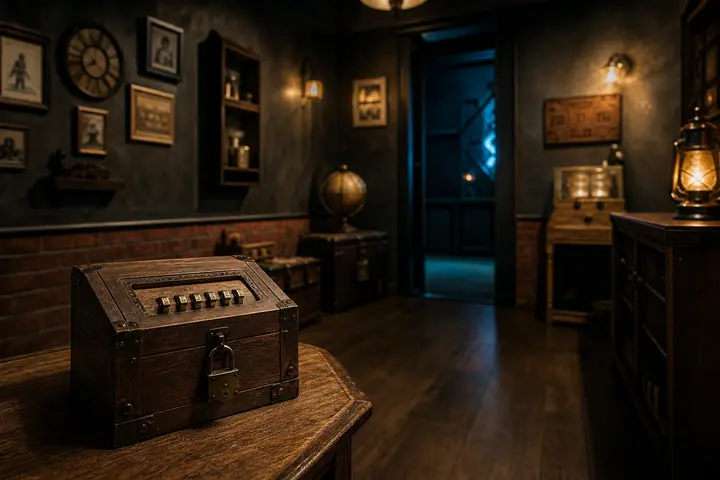
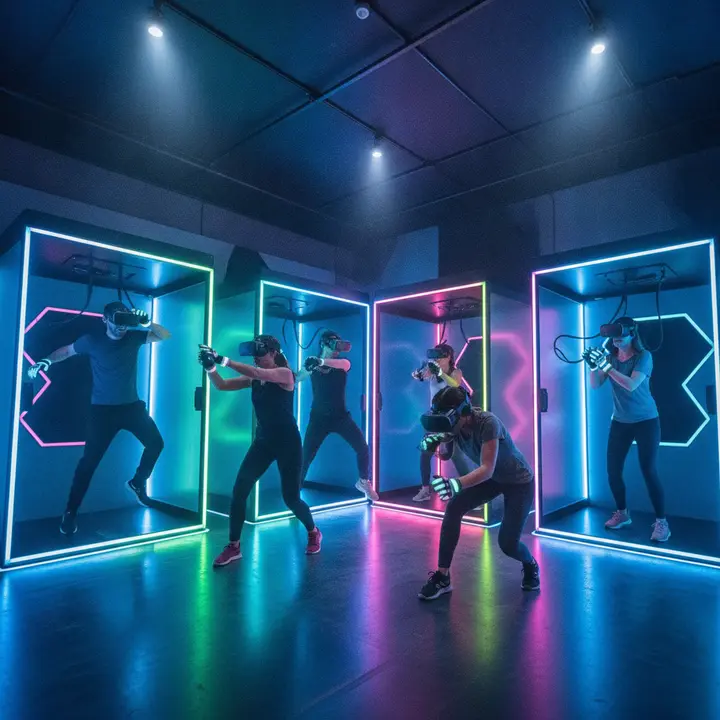
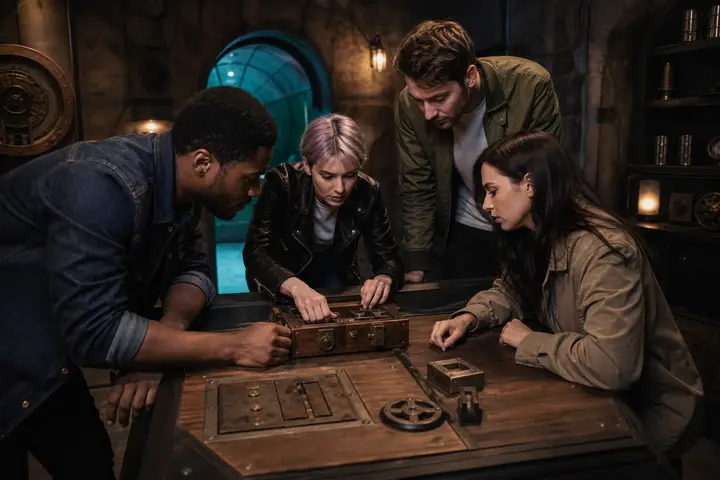
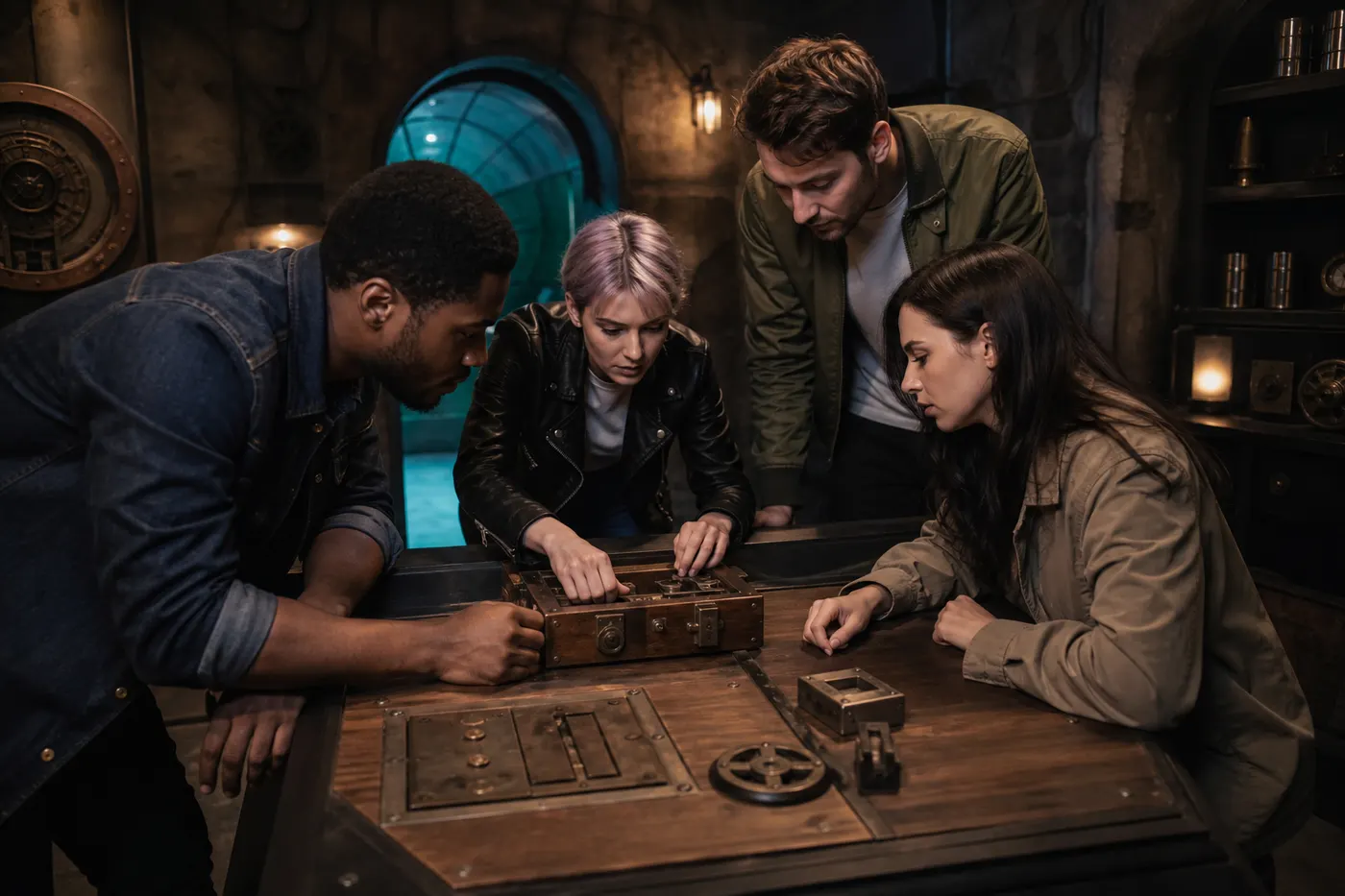
Physical single-room designs typically concentrate challenges into a compact environment. These designs reward players who scan methodically, test mechanical interactions, and share discoveries immediately. Multi-room narratives expand the scope of a scenario by creating distinct spaces with evolving stakes. In these, progress can feel episodic and teams benefit from planning transitions and tracking progress across areas. Virtual or digitally mediated escapes present puzzles through screens, headsets, or interfaces that can alter perspective and allow mechanics not possible in a real room. Virtual formats often emphasize visual puzzles and spatial reasoning that relies on camera angles, object rotation, and inventory management. A dedicated review of VR-specific considerations can help groups decide if a tech-forward session matches their comfort and play goals; for an accessible primer see the vr escape room guide for more on how virtual formats change interaction and clue presentation.
Difficulty signals: how rooms communicate challenge and what to watch for
Difficulty is not simply a label; it is communicated through the nature of puzzles, the density of clues, and the required coordination. Some rooms use layered puzzles that build on prior discoveries so that one missed step can stall the whole team. Others present many small, parallel puzzles that allow distributed work but increase the need for clear role allocation. Visual complexity, ambiguous clues, or puzzles that require pattern recognition across disparate elements tend to raise the intellectual demand. Mechanical puzzles and precise physical interactions increase tactile difficulty and can frustrate teams that focus mainly on verbal reasoning. Digital puzzles that depend on menus, inventory systems, or precise input can be challenging for players unfamiliar with the interface. Hosts often provide spoiler-free guidance before a session to indicate whether the design favors lateral thinking, deductive logic, or dexterity; paying attention to that guidance helps align expectations with outcomes.
Group fit and communication strategies for different styles
Matching group strengths to game format makes the experience more rewarding. Small teams with strong local knowledge and rapid verbal exchange excel in rooms where quick sharing and real-time updates matter. Larger groups can succeed in designs with parallel puzzle streams that allow subgroups to pursue separate threads without constant interference. For multi-room narratives, appointing a scribe or progress tracker reduces repeated work and keeps solutions transferable across spaces. For virtual formats, assign a navigator to manage the interface while others focus on pattern spotting and back-end logic. Communication strategies matter: call out discoveries as they happen, repeat important numbers or details aloud, and use clear language to describe object locations and visual cues. Avoid long monologues about possibilities; instead, state brief observations and propose specific tests. If a team is stuck, a quick regroup to list all gathered clues and confirm which have been used often reveals overlooked connections.
Clue use and puzzle design: distribution, redundancy, and solver pathways
Good puzzle design balances clarity with challenge by offering multiple entry points and occasional redundancy so a missed hint does not permanently block progress. Some experiences deliberately create linear pathways where clues must be found and used in a sequence. Linear designs can be satisfying for groups that enjoy following a story arc but can be brittle if a key clue is missed. Nonlinear rooms allow parallel discovery and reward teams that split tasks and synthesize findings. Designers may hide meta-clues that require combining items or observations from different parts of the room; teams that catalog their inventory and log unusual symbols or numbers are quicker to see these higher-level connections. Clues that are primarily visual ask for careful observation and photographic memory or note taking. Verbal or text-based clues benefit from someone who reads aloud and interprets phrasing. When a clue seems ambiguous, test plausible uses rather than debating interpretations endlessly. Physical testing often resolves ambiguity—if a lock or device accepts an input, that trial provides immediate feedback and prevents wasted time on theoretical dead ends.
Teams comparing physical and digital formats can also use this VR escape room guide to identify how shared visual information, movement, and communication may change the solving experience. The useful comparison is not which format is universally better, but which one makes responsibilities clear for your particular group.
FAQ
How do I tell whether a room is designed for teamwork or individual challenges?
Rooms that require parallel tasks, multiple simultaneous interactions, or coordination across different areas typically reward teamwork. Look for hints in the pregame description about cooperative play or multiple puzzle streams. If a design emphasizes a single sequence with one obvious progression, it may place more emphasis on focused discovery rather than distributed roles. Choosing a room that matches the group’s communication style will improve enjoyment.
What are reliable signs that a puzzle is meant to be solved physically rather than logically?
Puzzles that involve shapes, fittings, tactile locks, or objects that appear to interface physically typically ask for hands-on exploration. If manipulating an item produces noticeable feedback such as clicks, reveals, or changes in the environment, that interaction is likely part of the solution. When in doubt, try a careful tactile test rather than assuming every clue is purely symbolic.
How can teams avoid common pitfalls that lead to being stuck mid-game?
Common pitfalls include under-communicating findings, failing to track which clues have been used, and overfocusing on a single theory. To avoid these, establish quick habits: name and list new clues, assign brief roles, and periodically summarize which puzzles remain unsolved. If nothing is progressing, perform a clean inventory check of all items and notes to expose overlooked links.
Is there a best way to reflect after a session to get better performance next time?
Yes. A short structured debrief helps teams learn. Discuss what strategies worked, which communication habits helped or hindered, and whether puzzle types matched the group’s strengths. Note specific moments where a different approach could have saved time and agree on small changes to try next session such as clearer role definition or more systematic note taking.
Post-game reflection and debrief: turning play into improvement
An intentional debrief is the bridge between a single escape room game and steady improvement. Begin by listing successes and the puzzles that revealed them. Identify bottlenecks and ask whether they stemmed from unclear clues, group coordination issues, or unfamiliar mechanics. If a puzzle relied heavily on a visual pattern or digital interface, discuss whether differing vantage points or an alternate perspective would help. For groups that play regularly, rotating roles—scribe, navigator, communicator—develops a wider set of shared skills. Use the debrief to capture actionable changes for the next session: agree on how to call out discoveries, how long to pursue a single lead before testing another, and how to split into subgroups when appropriate. Reflection also enhances enjoyment: acknowledging clever moves and surprising solves reinforces collective competence and ensures future sessions feel progressive rather than repetitive.
Whether you prefer a tactile single-room challenge, a sprawling multi-room narrative, or the distinct mechanics of a virtual format, matching game style to group preferences and using clear communication and debrief practices yields more satisfying outcomes. For groups curious about how virtual formats alter interaction patterns the internal vr escape room guide provides targeted background on interface and presence effects.