VR headset games are interactive virtual reality experiences played with a head‑mounted display, tracked controllers, and room‑scale movement. At The Next Level inside The Factory at 100 Kellogg Lane in London’s Old East Village, guests use premium headsets to explore action, creative, educational, and multiplayer worlds that feel life‑sized, social, and surprisingly natural.
By The Next Level • Last updated: 2026-06-05
Summary
This guide explains what VR headset games are, how they work, and how to pick the right titles for first‑timers, families, birthday parties, school trips, and corporate teams. You’ll learn room‑scale basics, game genres, safety tips, booking guidance, and real examples from The Next Level’s 22 gaming pods and 12 VR escape rooms.
- What you’ll learn: how VR headsets track movement, top genres to try, and ways to match games to age and skill.
- Why it matters: the right picks reduce learning curve, motion discomfort, and downtime—so playtime stays fun.
- Who this helps: first‑time players, parents planning birthdays, teachers organizing trips, and team‑building hosts.
- Local tip: The Next Level operates 22 pods across 4,000+ square feet and runs 12 VR escape rooms for 1–6 players.
What Are VR Headset Games?
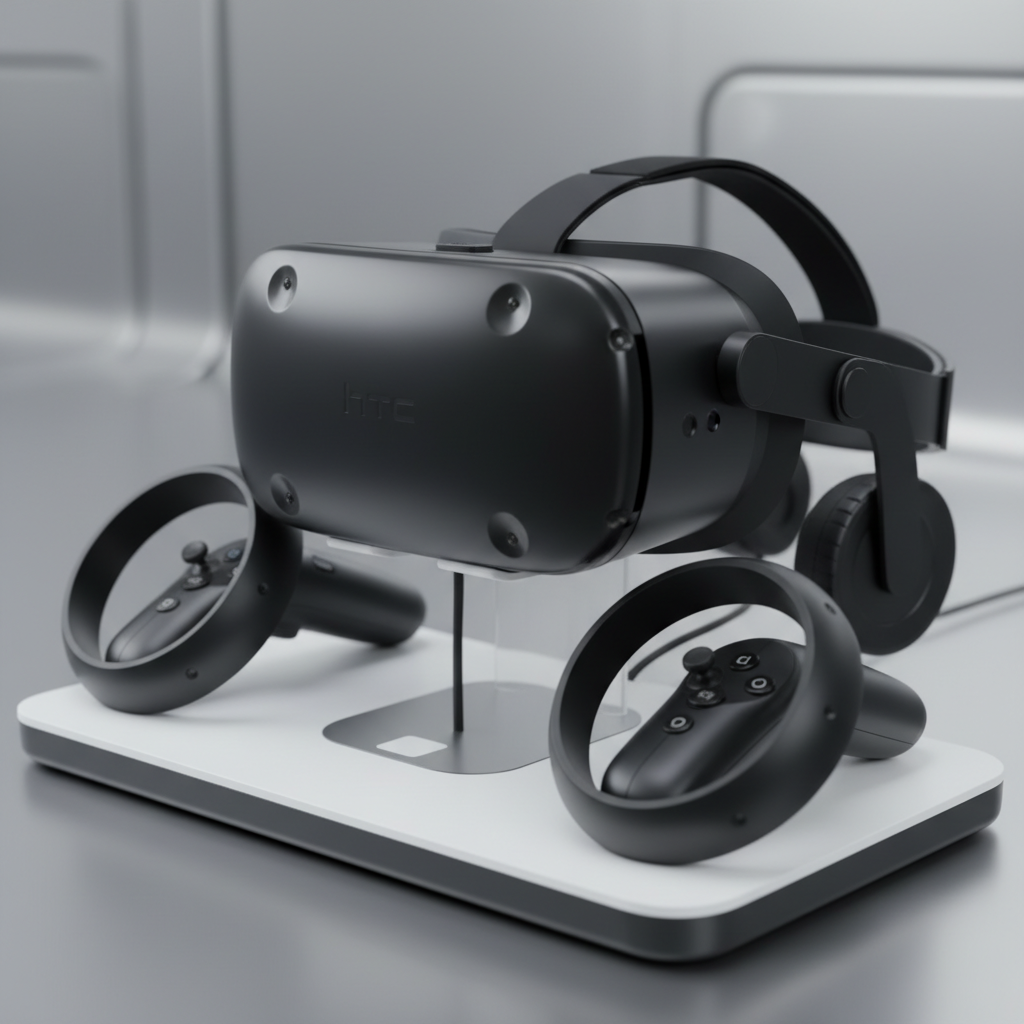
VR headset games are interactive titles designed for virtual reality headsets and tracked controllers, letting you look, move, and use your hands inside 3D worlds. At The Next Level, HTC Vive Pro headsets and room‑scale tracking turn a 9×9 pod into a life‑size play space for action, creativity, and learning.
Think of a personal holodeck: you wear a headset, hold two motion controllers, and your movements translate into the game. Turn your head to aim a bow, crouch behind cover, or reach to pick up objects. With 1:1 tracking, the world reacts to you—instantly.
- Room‑scale immersion: Each personal pod functions as a dedicated, safe play zone with clear boundaries.
- Hand presence: Motion controllers map gestures like grabbing, pointing, blocking, and drawing.
- Natural audio: Spatial sound helps you locate teammates, threats, or objectives by ear.
- Instant social fun: Friends spectate on large TVs or join next‑door pods for multiplayer sessions.
At The Next Level, the library spans action, rhythm, creative, educational, and escape room titles. Capacity matters for groups: 22 pods mean families, classes, or teams can play simultaneously while staff match games to every skill level.
Why VR Headset Games Matter for Families, Schools, and Teams
VR headset games matter because they blend play, learning, and teamwork in a single medium. With 22 pods, 12 escape rooms, and a continuously updated library, The Next Level supports different ages, abilities, and goals—whether that’s celebrating a birthday, reinforcing a lesson plan, or building trust on a team.
- Families: Pick low‑friction, high‑delight games (rhythm, creative sandboxes) so first‑timers succeed in minutes.
- Schools: Use interactive simulations to visualize science, history, or art—students remember active lessons longer.
- Teams: Favor cooperative challenges that reward communication, role clarity, and problem‑solving under time pressure.
- Event hosts: The private party room (with lounge seating and TVs) lets spectators share in the action and cheer on players.
We’ve found that groups thrive when play is structured: clear goals, adjustable difficulty, and a short tutorial. In our experience, even VR newcomers feel confident after one guided round, turning hesitation into momentum for the rest of the session.
How VR Headset Games Work (Headsets, Controllers, and Room‑Scale)
VR headset games work by tracking your head and hand movements in real time and projecting a stereoscopic world that responds instantly. At The Next Level, HTC Vive Pro headsets, motion controllers, and room‑scale tracking convert each 9×9 pod into a safe, life‑sized play area for natural movement.
Core components you’ll use
- Headset (HMD): Delivers a wide field of view and responsive visuals so the world feels stable as you move.
- Motion controllers: Translate your hands into tools—sabers, brushes, shields, or scanners.
- Room‑scale tracking: Defines a safe boundary so you can step, pivot, and reach without collisions.
- Pod displays: Friends watch on large TVs so everyone can follow the action and coach.
Why this setup reduces friction
- Short learning curve: With 1–2 minutes of guidance, most guests navigate menus and basic moves.
- Predictable flow: Staff calibrate fit, interpupillary distance, and guardian boundaries to keep sessions smooth.
- Content variety: A large library lets us match games to comfort levels and interests in seconds.
For a deeper look at features and ergonomics, see the Vive Pro features overview and our pod setup walk‑through that explains how a pod becomes your room‑scale canvas.
Types of VR Headset Games and Who They’re Best For
The main types of VR headset games include action shooters, rhythm games, creative sandboxes, sports and fitness, educational simulations, multiplayer co‑op, and VR escape rooms. First‑timers often start with rhythm or creative titles; teams and birthday groups love cooperative challenges and escape experiences.
Action and adventure (high energy)
- Great for: Teens, adults, returning players who enjoy fast reflex challenges.
- Why it works: 1:1 aiming, ducking, and cover feels intuitive and rewarding.
- Staff tip: Start on easy mode; increase intensity after one warm‑up round.
Rhythm and music (approachable)
- Great for: Families, mixed‑skill groups, and first‑timers.
- Why it works: Clear visual cues and upbeat tracks make it easy to grasp and hard to put down.
- Staff tip: Choose tracks by tempo—slower songs reduce learning friction for newcomers.
Creative and sandbox (open‑ended)
- Great for: Kids, classrooms, and anyone who likes building or painting in 3D space.
- Why it works: No fail states; players experiment with shapes, color, and scale.
- Staff tip: Set a simple prompt (“sketch your favorite animal”) to spark ideas.
Sports and fitness (physical play)
- Great for: Guests who want an active session with clear goals and quick rounds.
- Why it works: Realistic physics and short matches keep energy high.
- Staff tip: Alternate players to keep heart rates steady and rest between rounds.
Educational and discovery (learn by doing)
- Great for: School groups and curious minds who learn best through interaction.
- Why it works: Touch objects, scale time, or move through places you can’t access in real life.
- Staff tip: Pair a 10‑minute exploration with a short debrief for better retention.
Multiplayer co‑op (teamwork)
- Great for: Friends, families, and corporate teams who want to win together.
- Why it works: Roles and communication shine when objectives are shared and time‑boxed.
- Staff tip: Start with a tutorial arena so everyone understands controls before the clock starts.
VR escape rooms (1–6 players)
- Great for: Birthday parties, team building, and puzzle‑loving families.
- Why it works: Cooperative puzzles, time pressure, and “aha” moments are crowd‑pleasers.
- Staff tip: Assign roles (navigator, observer, tester) to keep the team organized and fast.
Want a running list of fan favorites? Check our evolving best VR games library and our detailed VR arcade gaming guide for deeper picks by age and experience.
How to Choose VR Headset Games (Step‑by‑Step)
Choose VR headset games by matching player experience to genre difficulty, setting comfort options, and planning for quick rotation. At The Next Level, we use a 6‑step flow—goals, group makeup, comfort, tutorial, first round, then adjust—to keep sessions smooth for families, classes, and teams.
- Set goals: Fun icebreaker, skills challenge, creative play, or cooperative win?
- Map the group: Ages, first‑timers vs. veterans, and desired intensity.
- Pick a comfort baseline: Start seated or with teleport locomotion; add free movement later.
- Tutorial first: Use a training arena to learn grabbing, aiming, and menu basics.
- Short first round: 5–10 minutes lets everyone find rhythm without fatigue.
- Adjust and rotate: Increase challenge, swap players, or switch genres to keep energy high.
Our staff applies this flow across 22 pods so larger groups stay in sync. It’s simple, predictable, and easy to customize for birthdays, field trips, and team events.
Best Practices for First‑Timers and Mixed‑Skill Groups
The best practices are to start simple, set clear goals, and rotate often. Choose approachable rhythm or creative titles first, use teleport locomotion if needed, and keep early rounds short. With 22 pods and large spectator TVs, The Next Level makes coaching and quick switches painless.
- Keep it short: First rounds work best at 5–10 minutes, then extend as confidence grows.
- One concept at a time: Introduce aiming or grabbing—not everything at once.
- Comfort first: Prefer teleport or snap turns; add smooth locomotion later.
- Rotate roles: Swapping players maintains focus and keeps everyone engaged.
- Use spectator screens: Friends prompt cues (“left shield!”) and celebrate wins in real time.
- Debrief fast: Ask what was fun or tricky; adjust the next pick accordingly.
Local considerations for Old East Village
- Plan arrival and meet‑ups inside The Factory; nearby attractions like the London Children’s Museum make pre‑ or post‑VR stops easy for families.
- Winter and school‑break rushes fill pods quickly; book early if your group needs adjacent bays for shared multiplayer flow.
- For team events, brief in the party room first; then move to pods in waves to keep instructions consistent and fast.
Safety, Comfort, and Accessibility Tips
To keep VR sessions comfortable, prioritize proper headset fit, easy locomotion (teleport), and frequent breaks. The Next Level’s staff calibrates guardian boundaries and checks headset fit before play, helping first‑timers focus on fun while reducing motion discomfort and fatigue.
- Fit check: Center the headset, adjust straps, and confirm a clear image.
- Locomotion choices: Start with teleport; add smooth movement if everyone is comfortable.
- Breaks and hydration: Pause between rounds; share tips and swap roles.
- Boundaries: Respect the guardian grid; watch for edge haptics and visual prompts.
- Spectator support: Let friends watch on TVs and call cues to reduce stress.
Comfort varies by person. We tailor recommendations by age, prior gaming experience, and your goals for the visit.
Booking and Time Planning (Without Talking Price)
Plan sessions around your group size, rotation timing, and whether you want the private party room or a VR escape room. At The Next Level, easy online reservations and clear time options keep scheduling simple for families, schools, and corporate teams—without discussing numbers here.
- Pods vs. escape rooms: Pods are flexible for quick rotations; escape rooms structure play for 1–6 teammates.
- Party room add‑on: Lounge seating and big TVs make it easy to host cake, awards, or a short debrief.
- Rotation math: Plan short, repeatable rounds so everyone gets multiple turns.
- Online booking: Reserve ahead to align adjacent pods and lock in your preferred day.
When you’re mapping an itinerary across 22 pods, we can suggest a cadence that balances learning, energy, and social time.
VR Headset Game Genres: Quick Comparison
Use this quick comparison to match genres to your group. Rhythm and creative games are easiest for first‑timers; action and free‑movement titles suit experienced players; escape rooms deliver teamwork wins for birthdays and corporate groups at The Next Level.
| Genre | Ideal Players | Learning Curve | Comfort Notes | Great at The Next Level |
|---|---|---|---|---|
| Rhythm/Music | Families, first‑timers | Very easy | Stationary, clear cues | Fast wins and smiles |
| Creative/Sandbox | Kids, classrooms | Easy | Low motion, open‑ended | Great for 3D art prompts |
| Action/Shooter | Teens, adults | Moderate | Use cover, snap turns | Coaching boosts success |
| Sports/Fitness | Active guests | Easy to moderate | Short matches, hydrate | High‑energy rotations |
| Educational | Schools, curious minds | Easy | Teleport, guided tours | Memorable field trips |
| Multiplayer Co‑op | Friends, teams | Moderate | Tutorial arena first | Great for birthdays |
| VR Escape Rooms | 1–6 players | Moderate | Stationary puzzle focus | 12 themed adventures |
Tools and Resources for Better Sessions
Leverage staff coaching, spectator TVs, and a curated library to keep sessions smooth. For technical context, review headset features and pod setup. For planning, use The Next Level’s guides on game selection, immersive experiences, and local arcade logistics around The Factory.
- Explore headset tech in the Vive Pro features overview for comfort and clarity tips.
- See how a 9×9 area becomes playable in our VR gaming pod setup guide.
- Plan an outing using our VR arcade London Ontario overview near The Factory.
- Skim our immersive VR experiences to match genres with group goals.
- Get more picks inside the VR gaming arcade guide and the best VR games library.
Mini Case Studies: Parties, Schools, and Teams
Three quick scenarios show how to tailor VR headset games: a birthday party that rotates rhythm and creative hits; a school trip that pairs exploration with a debrief; and a corporate team that uses a VR escape room to practice roles and communication under a 60‑minute clock.
Birthday party in the party room
- Setup: Party room for staging and spectating; 4–8 adjacent pods for fast rotations.
- Flow: Rhythm warm‑up, creative build challenge, then multiplayer co‑op finale.
- Why it works: Quick wins keep energy high; spectators cheer on big plays on TV.
School group discovery day
- Setup: Teachers brief in the party room, then split into pods by interest.
- Flow: 10‑minute exploration, 5‑minute rotation, quick written prompt afterward.
- Why it works: Active learning plus reflection boosts recall for mixed‑age classes.
Corporate team problem‑solving
- Setup: 1–6 players in a VR escape room, others in nearby pods learning core controls.
- Flow: Assign navigator, analyst, tester; communicate constantly and swap roles mid‑run.
- Why it works: Time pressure exposes bottlenecks; debrief links game roles to work roles.
To see why VR feels uniquely real, our virtual reality experience guide breaks down presence, hand tracking, and audio cues using examples from our London venue.
Why Play at a VR Arcade vs. At Home?
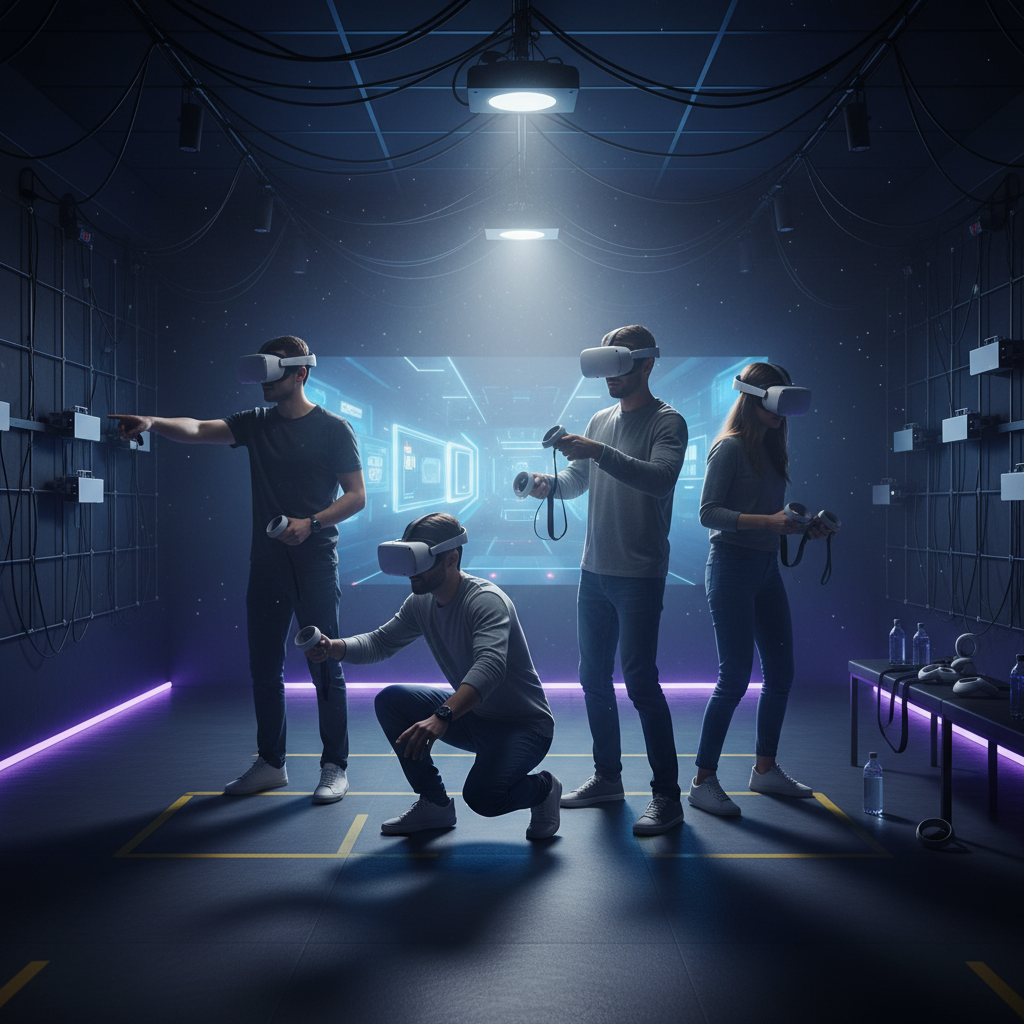
A VR arcade delivers space, support, and selection you rarely have at home. The Next Level offers 22 pods, 12 escape rooms, and a continuously updated library—plus staff who optimize fit, comfort, and game flow—so your group learns faster and enjoys more play, not setup.
- Space and safety: 9×9 pods, clear guardian boundaries, and spectator coaching on TVs.
- Library depth: Fresh picks across genres so you can try more in a single visit.
- Hands‑on help: Friendly staff guide first‑timers and fine‑tune sessions in seconds.
- Social energy: Shared cheers and laughs in the party room make memories stick.
If you’re curious about the broader London experience around The Factory, our local attractions guide maps ideas for a full day out.
VR Headset Games in Old East Village, Middlesex County
In Old East Village within Middlesex County, The Next Level sits inside The Factory at 100 Kellogg Lane—easy to reach and easy to plan around. With 22 pods and 12 escape rooms, it’s a reliable home base for birthdays, school trips, and team events seeking playable, social VR sessions.
Location influences planning. Nearby stops help groups coordinate arrivals and wrap‑ups. The venue’s scale—4,000+ square feet—means even large groups can rotate smoothly without long waits.
- Transit and timing: Align meet‑ups and plan staggered starts to keep pods busy, not idle.
- Group flow: Use the party room for briefings, awards, or post‑game debriefs.
- Local rhythm: Weekends and school breaks are popular; book early for adjacent pods.
Plan Your Visit
Ready to play? Use our local London, Ontario guide and library picks to map your first session. The Next Level’s staff can recommend games by age and comfort level so your group learns fast and has more fun per minute.
Soft CTA: Start with our VR arcade overview, then browse the best games library to shortlist 3–5 titles for your group.
FAQ: VR Headset Games
These quick answers cover comfort, ages, genres, and planning for groups. They’re written for first‑time visitors to The Next Level and for hosts organizing birthdays, school trips, or team‑building events near The Factory in London, Ontario.
What are the easiest VR headset games for first‑timers?
Rhythm and creative titles are the most approachable because they use simple gestures, clear visual cues, and minimal locomotion. Our team usually starts newcomers with a 5–10 minute warm‑up round, then increases difficulty as confidence grows.
How do you keep players comfortable if someone is sensitive to motion?
We begin with teleport locomotion or stationary experiences, verify headset fit, and schedule short breaks between rounds. Spectator TVs help friends coach cues, which reduces stress and improves timing for sensitive players.
What’s the best way to run a birthday party in VR?
Stage in the party room for announcements, then rotate between rhythm hits, creative builds, and one cooperative challenge. Keep first rounds short so everyone learns quickly, and use the TVs for spectators to celebrate the big plays.
Can school groups and corporate teams play together?
Yes. With 22 pods and 12 escape rooms, we can run parallel tracks: one group in a co‑op challenge, another in a tutorial arena, then a swap. Clear roles and quick debriefs keep learning and teamwork strong across mixed skill levels.
Key Takeaways
Match games to experience, start with comfort‑friendly options, and rotate often. At The Next Level’s 22 pods and 12 escape rooms, staff coaching, spectator screens, and a deep library help families, schools, and teams enjoy more playtime and fewer hiccups per visit.
- Rhythm and creative titles are the fastest on‑ramp for first‑timers.
- Use teleport locomotion first; add free movement gradually.
- Plan short, repeatable rounds so everyone gets multiple turns.
- For groups, VR escape rooms and co‑op arenas deliver shared wins.
- Leverage the party room to brief, celebrate, and debrief.
Conclusion: Book With Confidence in London, Ontario
VR headset games turn a 9×9 space into a social, life‑size playground. With 22 pods, 12 escape rooms, and a curated library, The Next Level inside The Factory at 100 Kellogg Lane is ready to host your birthday, field trip, or team event—so everyone learns fast and leaves smiling.
You’ve got the playbook: pick comfort‑friendly starters, rotate often, and tune difficulty as skills grow. When you’re ready, explore our VR arcade overview and game selection guide to lock in a memorable session in Old East Village.