
Multiplayer VR puzzle games are cooperative virtual reality experiences where teams solve logic, spatial, and timing challenges together in real time. In London, Ontario, The Next Level runs these co-op adventures in roomy pods and VR escape rooms, helping families, schools, and teams learn faster communication while having fun.
By The Next Level Team • thenextlevelvr.ca
Last updated: April 27, 2026
Overview & Table of Contents
This complete guide shows how multiplayer VR puzzle games work, why they’re perfect for birthdays, school trips, and team building, and how to clear tough sequences faster. You’ll learn co-op roles, communication systems, puzzle families, and winning tactics—then apply them hands-on at our London, Ontario VR arcade.
Use this guide to plan a great session and lead your team to a satisfying, fast finish. Jump to the parts you need most:
- What are multiplayer VR puzzle games?
- Why co-op puzzling matters for groups
- How multiplayer VR actually works
- Puzzle types and approaches
- Best practices to win faster
- Tools and resources
- Case studies and examples
- FAQ
- Key takeaways and next steps
What Are Multiplayer VR Puzzle Games?
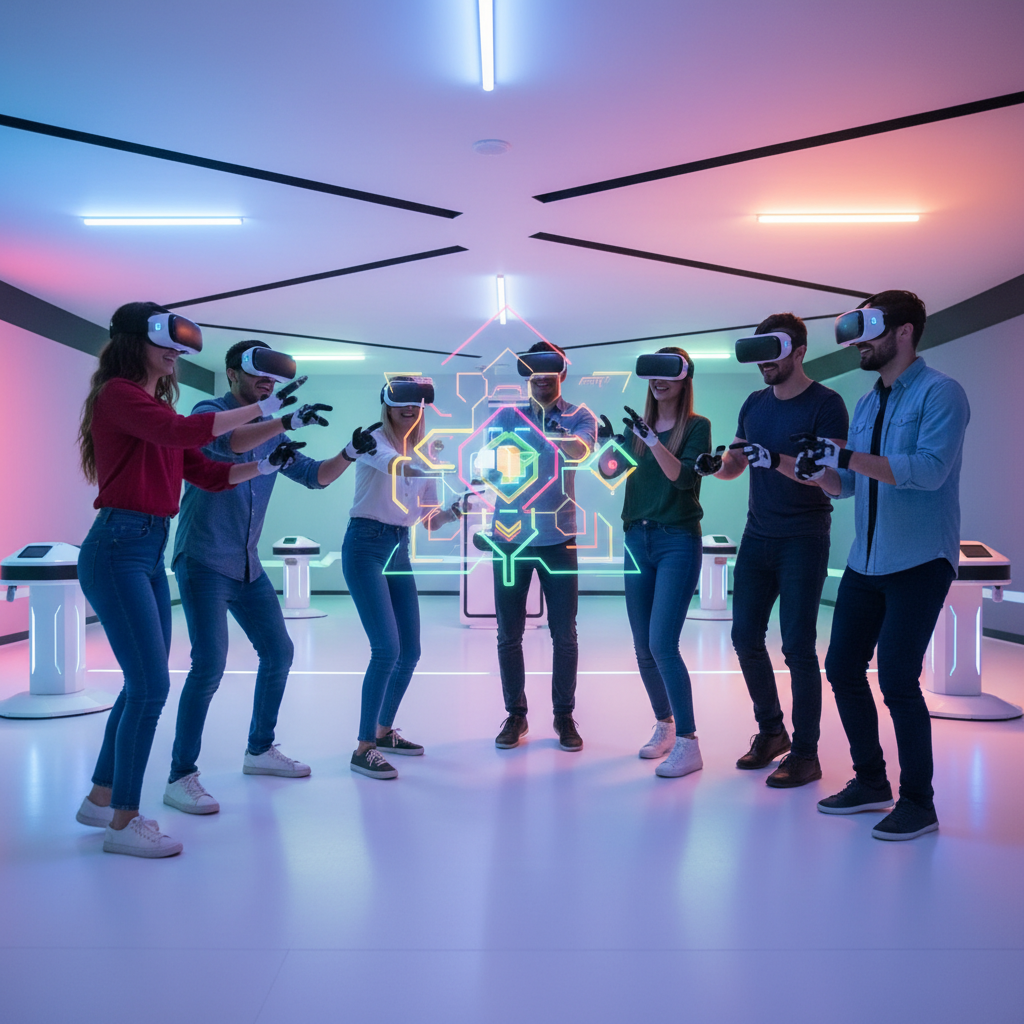
Multiplayer VR puzzle games are co-op adventures where 2–6 players use room‑scale headsets and motion controllers to solve logic, pattern, spatial, and timing challenges together. Success hinges on collaboration, clear roles, and quick callouts—perfect for birthdays, school groups, and corporate team-building sessions.
At The Next Level, we support 22 individual gaming pods and 12 VR escape rooms designed for 1–6 players. That capacity lets friends, families, and teams choose the right challenge style and difficulty—and ensures everyone can participate at once. Our game library is continuously updated, so repeat visits stay fresh.
- Co-op first: Games reward verbal callouts, information sharing, and tool passing.
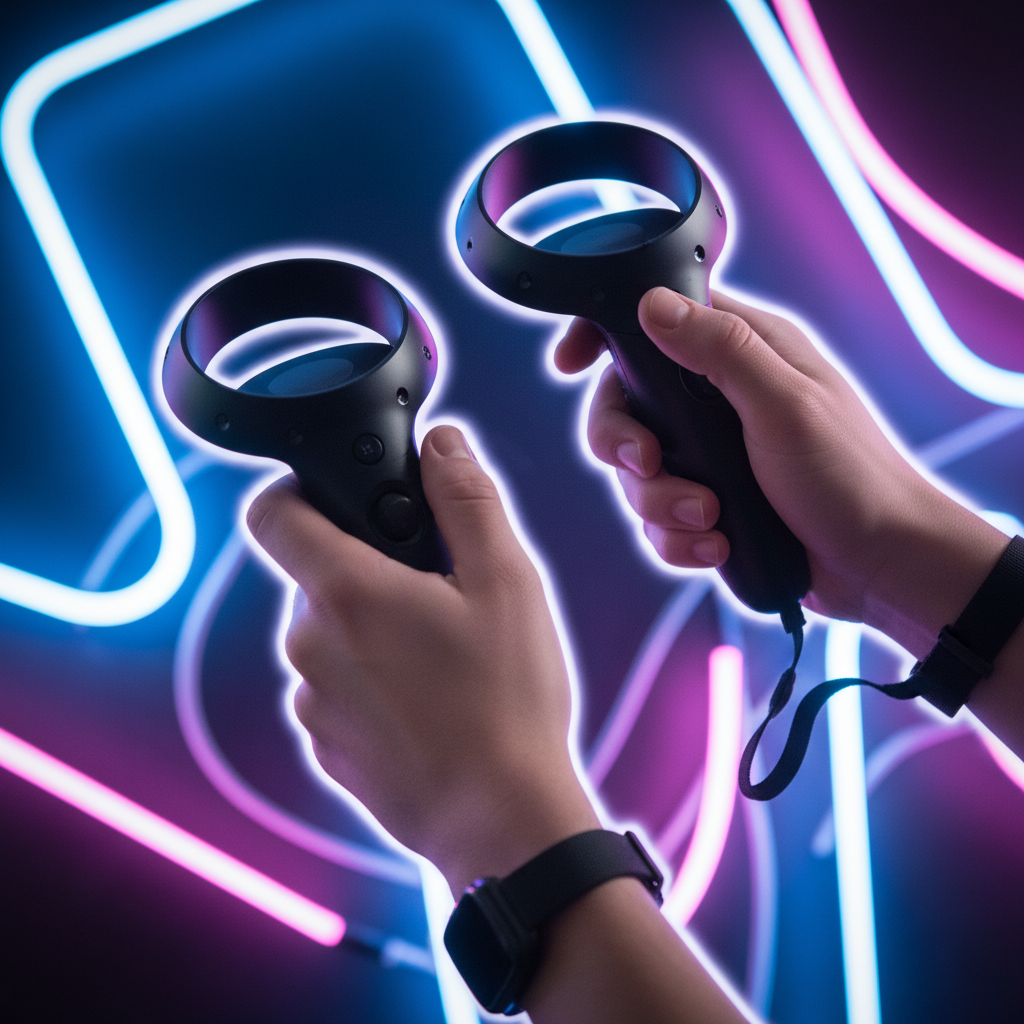
- Immersive inputs: Room-scale tracking and motion controllers let you grab, place, rotate, and align puzzle elements naturally.
- Shared objectives: Progress is gated by team actions—if one role stalls, the group adapts.
- Flexible sessions: Quick dashes or longer adventures fit family nights, school trips, and team offsites.
If you’re new to VR, our staff can pair this guide with practical tips from our VR arcade beginner tips so first-timers settle in quickly.
Why Co‑op VR Puzzling Matters for Groups
Co-op VR puzzling blends problem-solving, communication, and trust-building in a memorable, low‑risk setting. Teams practice clarity, listening, and leadership while navigating time pressure—skills that transfer to classrooms and workplaces long after the headsets come off.
We see it daily in London: families bridge age gaps, classmates split tasks naturally, and coworkers discover who leads, who analyzes, and who supports. In a venue with 4,000+ square feet and 22 pods, it’s simple to run simultaneous sessions and compare outcomes afterward. For a deeper group focus, explore our corporate team-building games playbook.
- Shared mental models: Teams align on terms, symbols, and steps; fewer mixed signals, faster progress.
- Psychological safety: Mistakes are quick and recoverable—ideal for learning in front of peers.
- Rotating leadership: Players take turns calling the shots as puzzles change.
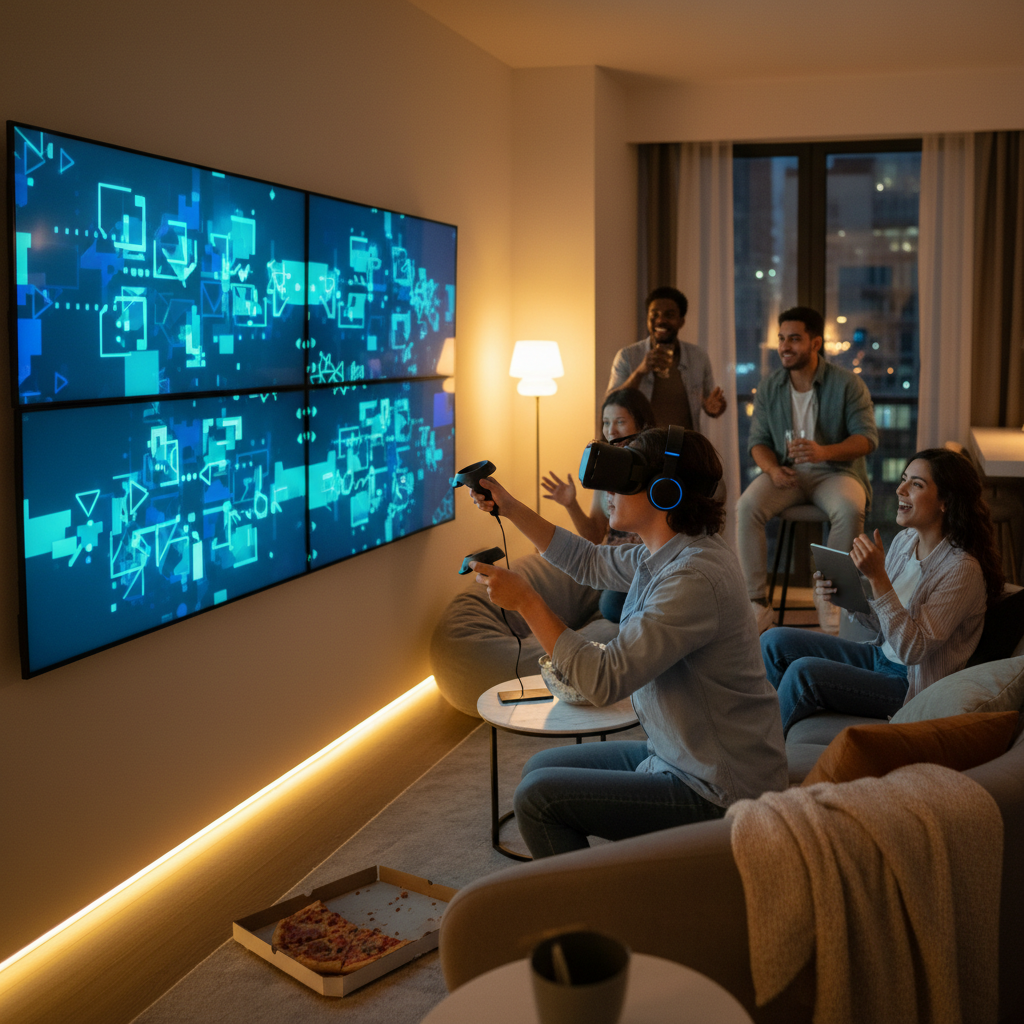
- Memorable moments: Spectator screens let everyone celebrate the win together.
For escape-room fans, our VR escape room strategy guide breaks down clue types and common pitfalls, helping your group move from guessing to structured problem-solving.
How Multiplayer VR Co‑op Works
Effective co-op relies on three layers: accurate room‑scale hardware, synchronized multiplayer software, and teamwork protocols that keep communication fast and clear. Nail all three and your solve time drops dramatically while stress stays low.
Here’s the high-level flow we use inside our arcade to set groups up for success:
- Briefing: Staff set teams of 2–6, outline roles (Spotter, Navigator, Operator, Communicator), and explain controls.
- Calibration: Room‑scale tracking checks and motion-controller tests reduce friction once the clock starts.
- Run: Players coordinate puzzle steps, log discoveries, and adapt roles as patterns emerge.
- Debrief: A fast recap highlights what worked and what to try next round.
- Voice matters: Headset mics keep instructions immediate; consistent callouts cut errors.
- Artifact tracking: Simple whiteboards, code words, and numbering prevent rework.
- Reset discipline: When stuck, teams step back, re‑state the goal, and swap roles.
For ongoing co‑op skill growth, we compiled practical ideas in multiplayer VR game tips that you can test in your next session.
Puzzle Types and Approaches
Most multiplayer VR puzzle games group into five families: pattern and logic, spatial manipulation, asymmetric information, timing and sequencing, and environmental search. Mixing types prevents bottlenecks and keeps every player engaged across different strengths.
Common puzzle families
- Pattern & logic: Ciphers, symbol mapping, rule discovery, and parity checks.
- Spatial manipulation: Aligning shapes, rotating objects, assembling 3D forms under time pressure.
- Asymmetric information: One player sees, another acts—constant call‑and‑response.
- Timing & sequencing: Trigger chains, synchronized presses, timed routes.
- Environmental search: Hidden clues, color cues, and number codes in the scene.
Comparison at a glance
| Approach | Team size | Strength | When to use |
|---|---|---|---|
| Asymmetric co‑op | 2–4 | Forces precise communication | When players have mixed skills |
| Synchronous tasks | 3–6 | Promotes timing discipline | When the group needs focus |
| Turn‑based steps | 2–5 | Reduces chaos | When instructions are complex |
| Shared inventory | 3–6 | Encourages planning | When search density is high |
Because our game library updates regularly, staff can recommend titles that match your group size, preferred difficulty, and desired play style. If you want a deeper technical dive, our look at room‑scale VR tracking explains why precise 3D space tracking is so critical in puzzle accuracy.
Best Practices to Win Faster
Fast teams keep roles simple, language consistent, and notes visible. They reset early, celebrate micro‑wins, and adapt on the fly. A two‑minute regroup often saves ten minutes of trial‑and‑error—especially in asymmetric puzzles.
Role setup that works
- Spotter: Scans the room for codes, colors, and patterns; calls out finds with short labels.
- Navigator: Tracks the objective and next steps; watches the clock.
- Operator: Manipulates objects; executes instructions quickly and confirms results.
- Communicator: Repeats codes, confirms actions, and requests clarifications.
Habits that cut solve time
- Adopt fixed callouts: “Code ready,” “Hold,” “Confirm,” “Repeat.”
- Label everything with a simple scheme (A1, A2…) and don’t rename mid‑run.
- When stuck for 90 seconds, reset: restate the goal, swap roles, retry from step one.
- Rotate leadership between puzzles so everyone’s engaged and fresh.
Local considerations for London
- Plan group sizes of 4–6 during busy weekends to maximize pod availability and keep teams intact.
- School groups: schedule daytime sessions when venues are calmer; staff can tailor difficulty and learning goals.
- Corporate teams: reserve adjacent pods for back‑to‑back runs, then debrief in a lounge area while memories are fresh.
For structured practice between visits, borrow ideas from high‑performing team playbooks. At The Next Level, HTC Vive Pro systems, motion controllers, and a large, frequently updated library set the stage for smooth teamwork and satisfying wins.
Our facility includes 22 gaming pods with room to move, 12 VR escape rooms for 1–6 players, and spectator displays so friends can coach and cheer. That layout supports families, classrooms, and corporate groups equally well. If you’re planning a quick outing, see how we structure 30‑minute VR sessions for focused fun and fast learning.
- Headsets & tracking: High‑resolution visuals and accurate 3D space tracking minimize friction.
- Controllers: Responsive inputs make placement, rotation, and timing feel natural.
- Content curation: Staff recommend titles that match age, experience, and goals.
- Session flow: Quick calibration, clear briefings, and post‑run debriefs reinforce learning.
Want more co‑op structure ideas? A meeting‑design perspective helps too. According to the Mississauga Convention Center, matching the space layout to your activity increases engagement—think adjacent pods for parallel runs and easy debriefs.
Case Studies and Examples
Our fastest finishes come from simple roles, shared notes, and early resets. These three snapshots from recent groups show how structure turns chaos into smooth co‑op flow—no matter the age or experience mix.
Birthday crew (ages 10–12)
- Split into 2 pods of 5 to keep chatter manageable and roles clear.
- Assigned an adult chaperone as “Communicator” to confirm codes.
- Used color‑first callouts; finished two puzzle sequences with time to spare.
School field trip (Grade 8 science)
- Focused on pattern recognition and teamwork reflection in the debrief.
- Rotated leaders each puzzle; students recorded steps on a whiteboard.
- By round two, fewer repeated errors and faster confirmations across teams.
Corporate team (12 participants)
- Ran 3 pods of 4 for parallel attempts, then shared best tactics.
- Used fixed vocabulary (“Hold,” “Confirm,” “Repeat”) to cut misfires.
- Final sequence cleared significantly faster after a short, focused regroup.
For more puzzle‑specific insights, our deep dive on VR escape room strategy covers clue hierarchies, search patterns, and common red herrings that slow teams down.
Plan a hands‑on trial. If your group wants a quick, high‑impact session, our staff can help pick a multiplayer puzzle title that fits your size and goals. Start with our multiplayer VR game tips, then book pod times that let teams run in parallel and compare notes.
Frequently Asked Questions
How many players work best for co‑op VR puzzles?
Four to six players is the sweet spot for most puzzle types. You get clear roles without crowding. Our VR escape rooms are designed for 1–6 players, and staff can suggest titles that match your team size and experience level.
Do beginners need training before starting?
A short briefing covers controls, boundaries, and communication. After calibration, most first‑timers feel comfortable within minutes. We tailor recommendations to keep the learning curve friendly and the puzzles engaging.
What makes VR puzzles different from traditional escape rooms?
VR adds precise 3D interaction, scalable environments, and instant scene changes. Teams can manipulate objects together, split views, and coordinate across rooms. It’s the same thrill of discovery with more variety and accessible resets.
Is room‑scale VR safe for kids and first‑time users?
Yes. Staff supervise play, define safe boundaries, and help with headset fit. We recommend frequent short breaks and puzzle choices appropriate to age. Our spectator screens let guardians monitor and cheer from nearby.
Key Takeaways and Next Steps
To beat hard puzzles faster, keep roles clear, language consistent, and resets frequent. Choose puzzle families that match your group, and run parallel pods when possible. The Next Level in London, Ontario offers the space, headsets, and library to make it happen.
Key Takeaways
- Use four simple roles: Spotter, Navigator, Operator, Communicator.
- Standardize callouts and label clues for fewer misfires.
- Reset early; rotate leaders to maintain focus and energy.
- Match puzzle families to team size and experience level.
- Leverage our VR escape room strategy insights for clue‑driven wins.
Ready to try multiplayer VR puzzle games with your group in London, Ontario? Plan a visit, choose adjacent pods, and apply these tactics in real time. For inspiration on energizing group activities, Education Edge’s team‑building ideas pair well with our in‑venue formats.