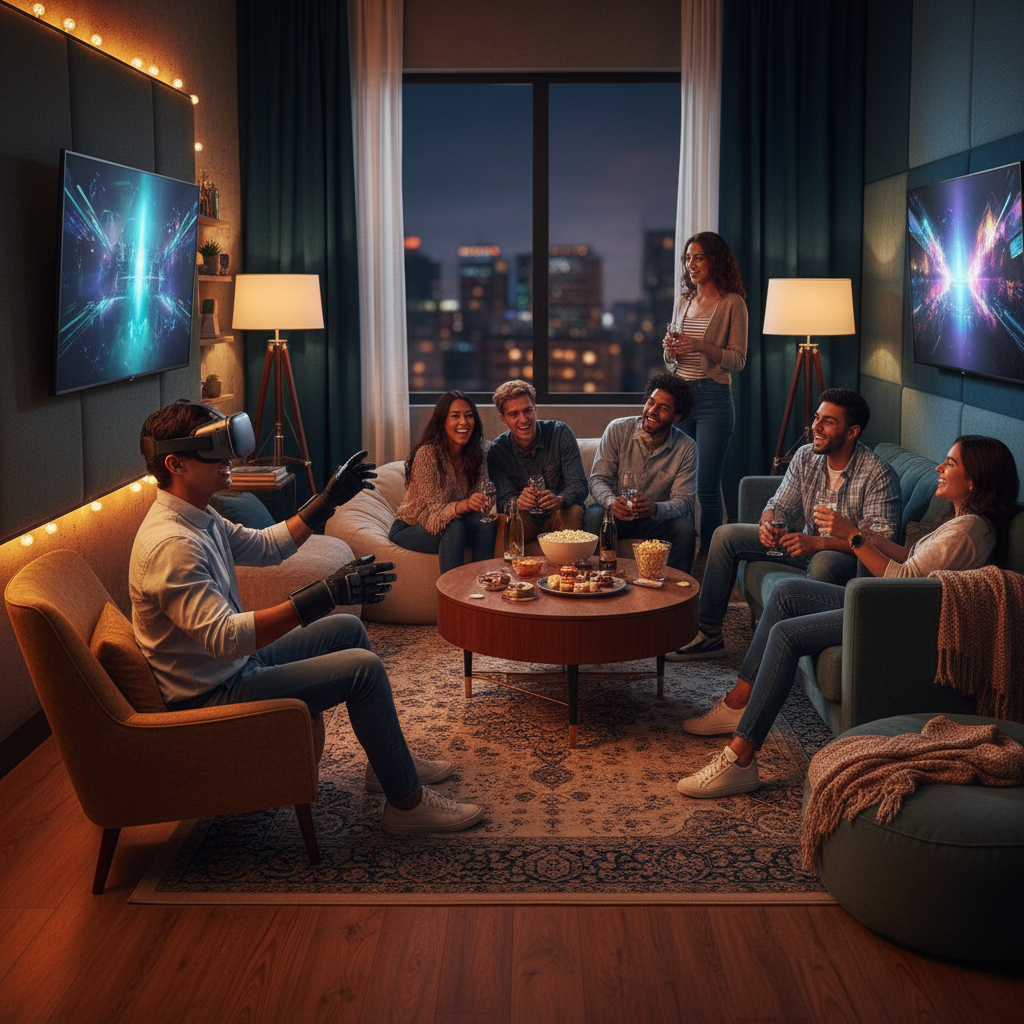
VR arcade beginner tips are the specific habits that make your very first session smooth, comfortable, and fun. They cover movement choices, headset fit, comfort settings, and game selection so you avoid motion sickness, learn controls quickly, and get memorable wins at The Next Level in London’s The Factory.
By The Next Level • Last updated: 2026-04-12
Quick Summary
Start with teleport movement, a snug headset fit, and beginner-friendly games. Keep your first block short with water breaks, ask staff for a two-minute controller tutorial, and use comfort settings like snap turn. At The Next Level (100 Kellogg Lane), 22 pods and 12 VR escape rooms make onboarding easy.
- What you’ll learn: Core VR arcade beginner tips, movement methods, headset comfort, starter games, and teamwork tricks.
- Why it matters: A few choices prevent motion sickness and speed up learning—especially for first-timers.
- Where to apply: The Next Level’s 22 pods, private party room, and 12 VR escape rooms inside The Factory London.
- Who it helps: Families, birthday groups, corporate teams, and school field trips.
Quick Answer
For fast wins with VR arcade beginner tips at 100 Kellogg Lane, choose teleport locomotion, secure a snug (not tight) headset, and start with a beginner title or guided VR escape room. At The Next Level, staff tune your HTC Vive Pro, set safe boundaries, and match your group to the right game.
Local Tips
- Tip 1: If you’re coming from downtown London, Ontario, plan a few extra minutes for parking at The Factory complex on Kellogg Lane, then check in early to get fitted and request beginner comfort settings.
- Tip 2: Winter boots and heavy coats can overheat you mid-session. Use the on-site storage, stay hydrated, and take short breaks between games.
- Tip 3: For birthday parties or team events, ask staff to cluster adjacent pods so your group can spectate on the large TVs in the private party room while rotating players.
IMPORTANT: These tips align with The Next Level’s setup inside The Factory London and help first-time visitors move smoothly from check-in to gameplay.
- Table of contents:
- What Is a VR Arcade?
- Why Beginner Tips Matter
- How a VR Arcade Session Works
- Movement, Modes, and Approaches
- VR Arcade Beginner Tips: The Essentials
- Best Practices and Checklists
- Tools and Resources (HTC Vive Pro, Room-Scale)
- Mini Case Studies and Examples
- FAQ
- Conclusion and Key Takeaways
- Related Articles and Topics
What Is a VR Arcade?
A VR arcade is a staffed venue with high-end headsets, individual play pods, and a curated game library. Guests get quick onboarding, safety supervision, and guided game selection—ideal for first-timers who want immersive experiences without owning expensive equipment or managing technical setup at home.
- Core idea: Try premium virtual reality in a safe, supervised setting with expert help.
- Key components:
- High-end headsets (HTC Vive Pro at The Next Level) with motion controllers.
- Room-scale tracking and defined boundaries for safe movement.
- Personal gaming pods for privacy and focus.
- Shared viewing on large TVs in the private party room.
- Curated library spanning action, art, education, and multiplayer titles.
- Why venues matter: Staff reduce friction for beginners—fast fitment, comfort settings, and starter tutorials.
- Local context: The Next Level sits inside The Factory London with 22 pods and 12 VR escape rooms, supporting 1–6 players.
Self-contained takeaway: A VR arcade removes the technical hurdles—setup, sanitation, and safety—so you can focus on the fun. For London, Ontario visitors, The Next Level’s capacity and variety make it easy to match every skill level to the right game within minutes of arrival.
Why Beginner Tips Matter
Beginner tips prevent motion sickness, shorten learning curves, and improve teamwork in multiplayer or escape room scenarios. A few early choices—teleport locomotion, snap turning, and a snug headset—dramatically increase comfort and confidence, especially for families, birthday parties, and corporate team-building groups.
- Comfort first:
- Teleport movement reduces sensory conflict for new players.
- Snap (incremental) turning feels more natural than smooth turn when you’re new.
- Short sessions with water breaks keep energy high.
- Learning speed:
- Two-minute controller tutorials accelerate mastery of grab, trigger, and menu buttons.
- Clear boundary setup builds spatial awareness before the action starts.
- Group success:
- Shared viewing on party room TVs keeps spectators engaged and aligned.
- In escape rooms, one navigator calling out clues boosts puzzle throughput.
Self-contained takeaway: When you prioritize comfort settings and quick instruction, first-timers spend more time playing well and less time fighting controls. In our experience at The Next Level, these small adjustments change the entire tone of a session from “overwhelmed” to “dialed-in.”
How a VR Arcade Session Works
Arrive a few minutes early, store belongings, sanitize, and get fitted for the headset. Staff size your play area, enable comfort options, and launch a practice scene. After a short tutorial, choose a starter game, keep the first block focused, and debrief with your group before picking the next challenge.
- Check-in and prep: Arrive early, hydrate, and store coats/bags to stay cool and mobile.
- Fit and boundaries: Staff secure a snug headset, confirm clarity, and draw room-scale boundaries.
- Practice scene: Learn grab/trigger, snap turn, and teleport in a quiet tutorial space.
- Game selection: Pick beginner-friendly titles or a puzzle-first VR escape room.
- First block: Play short, pause for water, adjust comfort settings as needed.
- Iterate: Debrief on what worked, then level up difficulty or switch genres.
Self-contained takeaway: A structured first 20–30 minutes pays off for the rest of your visit. The Next Level team routinely guides beginners through this flow so you spend less time configuring and more time enjoying London’s most immersive arcade experience.
Movement, Modes, and Approaches
New players thrive with teleport movement, snap turning, and stationary or room-scale options that match comfort. Choose puzzle-forward escape rooms for minimal motion, or pick wave-shooter and rhythm games for short, energetic bursts with simple controls.
Locomotion Options (How You Move)
- Teleport: Point-and-click movement that eliminates simulated walking; most comfortable for beginners.
- Snap turn: Rotate in fixed increments to avoid disorientation; combine with real-world body turns.
- Smooth turn/move: Analog stick rotation and motion; advanced and best introduced gradually.
- Room-scale only: Stand or walk within your pod’s boundary; great for rhythm, boxing, and drawing.
Game Modes (What You Play)
- Wave shooters: Simple aim-and-fire mechanics; excellent first 10–15 minutes.
- Rhythm/fitness: Clear visual cues and short songs; easy to learn, high energy.
- Creative/art: 3D painting/sculpting; relaxed pace to practice controls and spatial skills.
- Educational/exploration: Low-pressure discovery; suits school trips and mixed-experience groups.
- VR escape rooms: Puzzle-first, often teleport-based; ideal for 1–6 players collaborating.
Approach for Beginners (How You Choose)
- Start static, then layer motion: Begin with room-scale or teleport-only titles before adding smooth movement.
- Short bouts over marathons: Rotate players, swap genres, and hydrate between songs or levels.
- Use coaching: Ask staff to watch your first five minutes; tiny tweaks make a big difference.
| Locomotion | Best For | Benefits | Watch-outs |
|---|---|---|---|
| Teleport | First-timers, escape rooms | Reduces sensory conflict; very comfortable | May feel less “natural” for seasoned gamers |
| Snap Turn | Most beginners | Prevents dizziness; precise alignment | Set angle to preference (e.g., 30–45 degrees) |
| Smooth Move/Turn | Experienced players | Continuous control; simulation feel | Introduce gradually; pause if discomfort rises |
Self-contained takeaway: Your movement style sets the tone. Teleport plus snap turn is the most reliable entry point, especially for families and school groups acclimating to room-scale VR inside The Next Level’s pods.
VR Arcade Beginner Tips: The Essentials
Prioritize a snug headset fit, teleport movement, snap turning, and short sessions. Pick beginner titles with clear visual cues, ask staff for a two-minute tutorial, and use the party room for spectators to guide teammates. These essentials maximize comfort and confidence from the first minute.
Headset Fit and Visual Clarity
- Snug, not tight: Adjust straps so the headset doesn’t wobble when you nod.
- Lens sweet spot: Ask staff to help you center lenses for crisp text and targets.
- Glasses-friendly: If you wear glasses, confirm spacing and comfort before launching a game.
Comfort Settings
- Snap turn on, smooth turn off: Start conservative; add smooth turn later if you feel good.
- Vignette during movement: A subtle vignette can reduce motion discomfort.
- Audio level: Keep volume mid-range so you can hear staff and teammates.
Starter Games and Modes
- Pick clarity-first titles: Rhythm, wave shooter, and creative apps teach controls fast.
- Try a VR escape room: Collaborative puzzles with teleport make teamwork intuitive.
- Rotate players: Keep energy up and share learning by swapping every 10–15 minutes.
Self-contained takeaway: The fastest way to love VR is to feel in control. Fit, clarity, and conservative motion settings create that feeling, and The Next Level’s staff will help you lock them in before your first challenge.
Best Practices and Checklists
Use a first-30-minutes checklist: fit, clarity, boundaries, teleport, snap turn, tutorial, and a beginner game. Add water breaks, rotate roles, and debrief. These practices convert first-timer nerves into confident, coordinated play across pods and escape rooms.
Your First 30 Minutes (Step-by-Step)
- Arrive early: Store jackets, hydrate, and request beginner comfort settings.
- Fit headset: Secure straps, verify lens clarity, and check controller tracking.
- Draw boundaries: Review room-scale limits; practice a gentle walk and snap turn.
- Run tutorial: Grab, trigger, menu; rehearse with a stationary target.
- Launch a starter game: Rhythm or wave shooter for 10 minutes; pause and assess.
- Adjust and iterate: Tweak settings, swap players, then step into a puzzle room or coop game.
Team Roles That Help Beginners
- Navigator: Calls out objectives, reads clues, watches timers on the TV.
- Spotter: Keeps eyes on boundaries and reminds players to turn physically.
- Controller coach: Helps with button mapping and reload mechanics.
Safety and Comfort Reminders
- Mind the cable: If tethered, keep slack behind you; ask staff for cable management tips.
- Hydrate and cool down: Short breaks maintain focus and reduce fatigue.
- Pause at discomfort: Small reset now beats powering through and feeling worse later.
Self-contained takeaway: A checklist removes guesswork. With roles and breaks, beginners stay comfortable while performance steadily rises—perfect for families, corporate teams, and school groups at The Next Level.
Tools and Resources (HTC Vive Pro, Room-Scale)
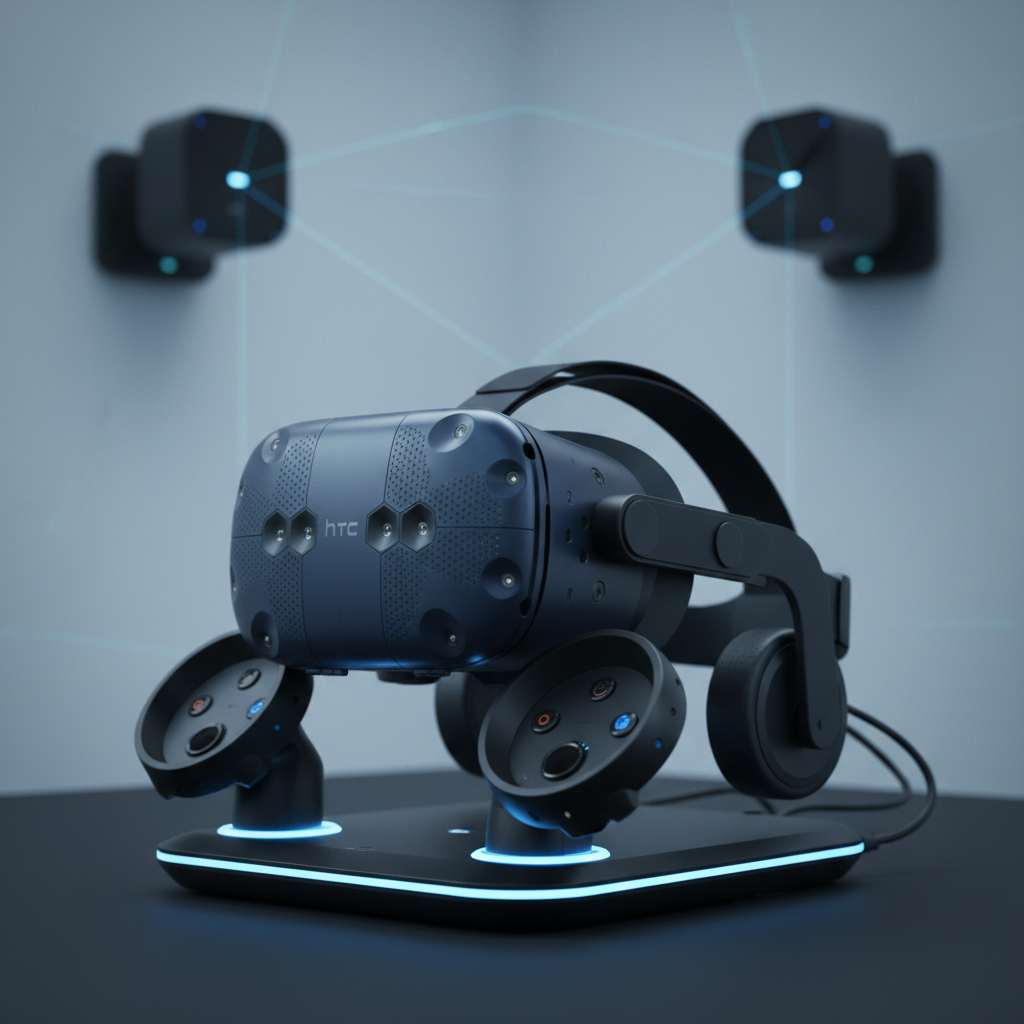
Room-scale tracking and HTC Vive Pro headsets make first-time VR intuitive: precise hand presence, reliable boundaries, and crisp visuals. Combine staff guidance with beginner comfort options for a smooth start, then layer in advanced movement when you’re ready.
- HTC Vive Pro advantages:
- High-resolution visuals help you read clues and spot targets faster.
- Accurate motion controllers make grabbing, aiming, and throwing feel natural.
- Stable tracking supports room-scale walking inside each 9×9 pod.
- Room-scale boundaries:
- Clear guardian walls appear before you reach pod edges—great for beginners.
- Practice physical turns to reduce reliance on controller turning.
- On-site resources at The Next Level:
- Staffed onboarding and quick tuning for comfort.
- Private party room with large TVs so spectators can coach in real time.
- 12 VR escape rooms for 1–6 players, ideal for puzzle-forward learners.
Self-contained takeaway: The combination of premium hardware and attentive staff reduces first-time friction. At The Next Level, that blend helps beginners progress from basic tutorials to multiplayer coordination within a single visit.
Planning a Group?
If you’re organizing a birthday party, school trip, or team-building afternoon, ask our staff to group adjacent pods and schedule an easy starter game. For puzzle lovers, see our guidance on escape room teamwork to prep your squad.
Mini Case Studies and Examples
Across families, school groups, and corporate teams, the same playbook wins: fit first, teleport locomotion, short sessions, and role-based teamwork. With these basics, beginners move from cautious to confident quickly—often clearing an entry-level escape room or setting a first leaderboard score in one visit.
Family of Four, First Visit
- Challenge: Two adults new to VR, two kids eager to try everything.
- Approach: Start with rhythm and wave shooters; rotate players every song/round.
- Result: Everyone adapts quickly; kids mentor adults on controls by round three.
- Upgrade: Finish with a puzzle-forward VR escape room using teleport.
Corporate Team, Post-Meeting Activity
- Challenge: Mixed skill levels; limited time after an off-site meeting.
- Approach: Two-minute tutorial, lobby in adjacent pods, and assign navigator/spotter roles.
- Result: Quick comfort leads to steady puzzle throughput and positive team energy.
- Upgrade: Move to a light competitive rhythm game for a celebratory finish.
School Group, Mixed Ages
- Challenge: Keep engagement high while teaching basic VR skills.
- Approach: Educational exploration first; then creative 3D art; close with rhythm.
- Result: Students gain spatial awareness and collaboration skills across genres.
- Upgrade: Select a short, themed VR escape room that reinforces teamwork.
Self-contained takeaway: Regardless of the group, a staged plan—tutorials, easy wins, then coordinated challenges—unlocks faster progress. The Next Level’s pods, party room, and escape rooms make this flow seamless on-site.
FAQ
First-time players should arrive early, ask for comfort options, and choose teleport locomotion. A short tutorial and a beginner game reduce overwhelm. Groups benefit from role assignments and spectator coaching in the party room for shared learning and momentum.
How do I avoid motion sickness on my first visit?
Choose teleport movement, enable snap turning, and take short breaks. Keep early sessions brief and stay hydrated. Ask staff to apply a light vignette during motion and to confirm your headset fit and lens clarity. If you feel off, pause immediately and reset—comfort first, difficulty later.
What’s the best starter game style for beginners?
Rhythm and wave shooters teach targeting and timing with clear visual cues. Creative apps are another great start—they’re relaxed and let you practice grabbing, pointing, and moving without pressure. For groups, a teleport-based VR escape room offers intuitive tasks and collaborative fun.
Can kids and adults play together?
Yes. The Next Level’s curated library supports a wide skill range. Use short rotations so everyone gets time to adapt. Spectators can watch on the party room TVs and call out tips. Teleport locomotion helps align comfort levels across ages while keeping momentum high.
What should I wear to a VR arcade?
Comfortable, breathable clothing and closed-toe shoes. Avoid long, dangling accessories and bulky outerwear in the pod. If you wear glasses, bring them; staff will help with headset spacing. In winter, store coats so you don’t overheat during active games.
How do VR escape rooms work for first-timers?
They’re puzzle-focused with intuitive movement. Teams of 1–6 players collaborate via voice, pass virtual items, and solve themed challenges. A navigator role and teleport locomotion keep everyone comfortable. For planning ideas, review our escape room tips before you arrive.
Conclusion and Key Takeaways
Comfort-first settings, short sessions, and role-based teamwork make first-time VR a success. With premium hardware and staff guidance, you’ll progress quickly from tutorials to confident multiplayer or escape room wins—all in one visit at The Next Level in London, Ontario.
- Key Takeaways
- Teleport + snap turn is the most beginner-friendly combo.
- Fit and clarity matter more than difficulty for first-time fun.
- Short rotations and hydration keep energy high throughout.
- Navigator/spotter roles supercharge group coordination.
- Next Steps
- Visit The Next Level at 100 Kellogg Lane inside The Factory London.
- Ask staff for a comfort-first setup and a two-minute tutorial.
- Pick a beginner game or a teleport-based escape room to start strong.
Soft CTA
Planning a birthday party or team event? Use our private party room to keep everyone engaged between turns. For group flow ideas, explore our take on planning a VR birthday and bring your crew to The Next Level.
Related Articles and Topics
To go deeper after your first visit, explore teamwork strategies for VR escape rooms, tips for school field trips, and guidance on room-scale tracking. These topics build on beginner comfort settings and help you level up from casual fun to coordinated victories.
- VR escape room clues and teamwork: Learn how navigators and communicators accelerate puzzle solving.
- School field trip planning: Structure rotations so students watch, learn, and play in short bursts.
- Room-scale VR tracking: Practice real-world turns and footwork to reduce controller turning.