
Multiplayer VR games are shared virtual experiences where two or more people collaborate or compete in the same world using headsets and motion controllers. At The Next Level inside The Factory at 100 Kellogg Lane in London, Ontario, groups use HTC Vive Pro systems to team up for co-op quests, rhythm battles, sports, and VR escape rooms.
By The Next Level • Last updated: 2026-06-17
Summary
This guide explains what multiplayer VR games are, how they work at our London, Ontario arcade, and how to pick the best experiences for families, friends, birthdays, school trips, and corporate teams. Use the quick checklists, comparison table, and examples to plan a smooth, memorable visit without tech hassles.
Here’s what you’ll learn and how to use it today.
- Clear definition of multiplayer VR and why it’s powerful for groups.
- How sessions run at The Next Level across 22 pods and 12 escape rooms.
- Game-type breakdowns for teamwork, laughs, and learning.
- A buying guide with fast picks based on age, size, and goals.
- Local tips for Old East Village planning and meetup timing.
What Are Multiplayer VR Games?
Multiplayer VR games let multiple players inhabit the same digital space and interact in real time using headsets, motion controllers, and room-scale tracking. Players see teammates as avatars, talk over spatial audio, and share objectives in cooperative, competitive, or mixed game modes.
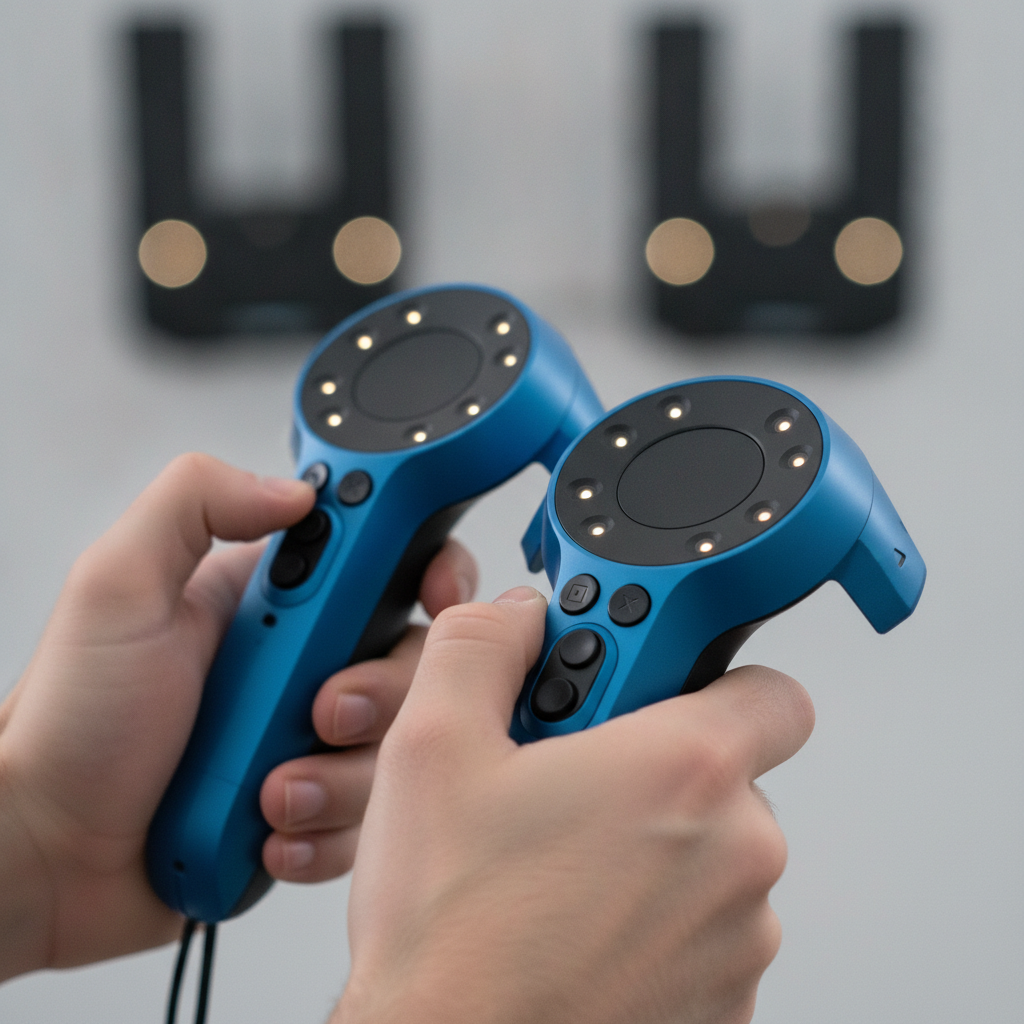
Think of it as stepping into the same 3D world with your friends. Everyone can point, gesture, and move naturally. With HTC Vive Pro room-scale tracking, hand movement translates to precise in-game actions. Groups typically play in sets of 2–6 players and rotate smoothly for larger parties.
Core elements you’ll notice
- Shared objectives: defend, solve, score, or escape together.
- Real-time interaction: voice chat, gestures, and synced events.
- Room-scale tracking: 1:1 movement inside a 9×9 play zone.
- Comfort options: stationary or teleport movement for newcomers.
In our experience, most new players acclimate in 5–10 minutes. That quick learning curve keeps sessions focused on fun, not setup, especially when our staff handles calibration and safety checks.
Why Multiplayer VR Matters for Groups
Multiplayer VR blends teamwork, communication, and instant feedback. Groups celebrate shared wins, learn faster through cooperation, and stay engaged because goals are visible and time-boxed. It’s why families, classes, and teams consistently leave with big smiles and stories.
When everyone shares the same milestone—cracking a puzzle or beating a wave—the experience becomes a memory. That’s the core of group entertainment. At The Next Level, we see families mixing ages, teachers pairing students across skills, and corporate teams practicing concise callouts.
- Social engagement: rapid call-and-response keeps players talking.
- Approachable difficulty: staff tune modes for mixed abilities.
- Short rounds: 5–12 minute cycles help large groups rotate.
- Universal appeal: action, rhythm, sports, creative, and puzzle play.
Because goals are shared and visible, accountability is natural. That’s perfect for team building, class challenges, or birthday parties where you want everyone to feel included—not just the “gamers.”
How Multiplayer VR Works at The Next Level
We link players across 22 pods using HTC Vive Pro headsets, motion controllers, and room-scale tracking. Each person gets a 9×9 play area. Our team handles setup, safety checks, voice calibration, and fast game swaps so your group stays immersed and on schedule.
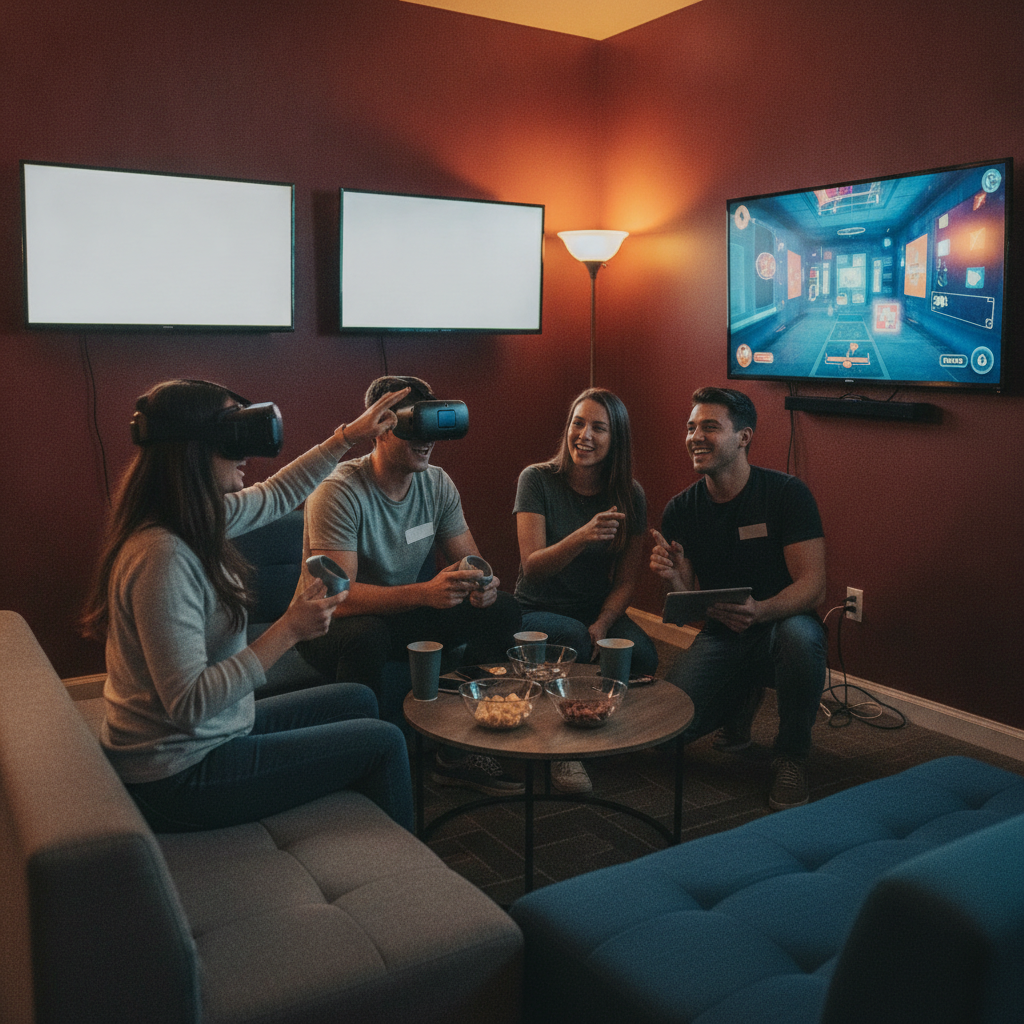
Our space spans more than 4,000 square feet, enabling clear pathways and easy supervision. The private party room adds lounge seating and large wall-mounted TVs so spectators follow the action. For VR escape rooms, 1–6 players collaborate in themed environments that emphasize communication and puzzle-solving.
- Hardware: HTC Vive Pro headsets + motion controllers.
- Tracking: room-scale movement with precise hand input.
- Orchestration: staff configure pods, lobbies, and teams.
- Library: a massive catalog updated regularly across genres.
Expect a brief orientation, a mic test, and a comfort check. We recommend starting with stationary or teleport locomotion for first-timers, then moving into room-scale adventures once everyone’s confident.
Types of Multiplayer VR Experiences
Choose co-op action for high-energy teamwork, VR escape rooms for puzzle-focused collaboration, rhythm party modes for quick rotations, sports arenas for friendly competition, and creative or educational sandboxes for calm exploration with mixed ages.
Different goals call for different game types. Want fast laughs and big cheers? Rhythm and arena games shine. Want to build trust and coordination? Co-op missions and escape rooms reward communication. For schools and first-timers, creative and educational suites reduce pressure while keeping curiosity high.
Co-op action
- What it is: defend objectives, survive waves, or complete missions.
- Why it works: clear roles and steady escalation bond teams.
- Who loves it: friends, teens, and corporate groups that like a challenge.
VR escape rooms
- What it is: 1–6 players solve themed puzzles against the clock.
- Why it works: success depends on communication and shared focus.
- Who loves it: families, corporate teams, and puzzle fans.
Rhythm party
- What it is: music-driven challenges with quick, satisfying rounds.
- Why it works: great for spectators and fast rotations.
- Who loves it: birthday groups and mixed ages.
Sports/arena
- What it is: casual competition with simple rules and scorekeeping.
- Why it works: friendly rivalries and short matches keep energy up.
- Who loves it: competitive friend groups and school teams.
Creative/educational
- What it is: build, paint, explore history or science simulations.
- Why it works: open-ended, low-pressure, and highly inclusive.
- Who loves it: first-timers, younger players, and school groups.
Best Multiplayer VR Games to Try in 2026
Ask our team for co-op survival, fantasy defense, rhythm party modes, arena sports, and creative suites. These categories onboard quickly, support 2–6 players, and keep rotations moving so larger groups stay engaged without long waits.
We rotate our library to mix fresh releases with proven favorites. If your group is brand new to VR, begin with rhythm or escape room experiences. For seasoned players, co-op action and sports arenas deliver higher intensity and bigger high-fives.
- Zombie co-op survival: medium intensity, clear roles, exciting wins.
- Fantasy archery or magic defense: teamwork and communication.
- Rhythm party modes: easy starts, short turns, great for spectators.
- Competitive sports/arena: quick matches and leaderboards.
- Creative/building suites: calm pace and accessible controls.
If you’re planning a birthday, skim this helpful guide on planning a VR birthday party for timing, snacks, and flow ideas that fit group energy.
Comparison: Multiplayer Modes at a Glance
Use this table to match game types to group size, comfort, and goals. Co-op action suits small squads that want intensity, while VR escape rooms and rhythm modes fit mixed ages with shorter rounds and simpler controls.
| Game Type | Players | Intensity | Learning Curve | Movement | Best For |
|---|---|---|---|---|---|
| Co-op Action | 2–4 | High | Moderate | Room-scale + teleport | Friends, teens |
| VR Escape Room | 1–6 | Medium | Low–Moderate | Stationary/teleport | Families, teams |
| Rhythm Party | 1–2 (rotate) | Medium | Low | Stationary | Mixed ages |
| Sports/Arena | 2–4 | Medium–High | Low | Room-scale | Competitive groups |
| Creative/Edu | 1–4 | Low | Low | Stationary | Schools, first-timers |
Still unsure? Our VR arcade gaming guide explains how to match play styles to your group’s comfort and goals.
Buying Guide: Choose the Right Multiplayer Experience
Match the game to your group’s size, skill mix, and energy. Use low learning curves for first-timers, short rounds for big groups, and puzzle-focused play for team building. Ask staff to tune difficulty and locomotion for comfort.
Picking the right format is easy when you focus on people over titles. Here’s a fast, reliable approach we use with families, schools, and corporate organizers every week.
- Group size: 2–4 for action; up to 6 for escape rooms.
- Experience mix: start stationary/teleport for newcomers.
- Energy level: rhythm/arena for quick, hype rotations.
- Goal: co-op wins for bonding; puzzles for collaboration.
- Rotation plan: 8–12 minute rounds keep lines moving.
For a deeper walkthrough, see how VR multiplayer works with friends and what to expect from check-in to high-fives.
Planning Your Visit in Old East Village (Middlesex County)
The Next Level sits inside The Factory at 100 Kellogg Lane in Old East Village, serving Middlesex County with easy meetups, parking, and walkable attractions. Plan arrival buffers, coordinate snacks, and set rotation rules so your group maximizes headset time and minimizes waiting.
Location matters for smooth logistics. Old East Village is a convenient launchpad for families and teams, with nearby stops that make pre- or post-VR gatherings simple. A 5–10 minute arrival buffer lets us complete orientation and headset adjustment so you can jump right in.
Local considerations for Old East Village
- Pair your visit with the London Children’s Museum for younger groups.
- Weekends are lively; book early for the best start-time options.
- For debriefs, use our party room lounges to recap wins and highlights.
If you’re exploring the broader destination, our Factory London attractions guide has practical wayfinding and meetup tips.
Best Practices for Smooth Multiplayer Sessions
Arrive a little early, start with comfortable movement settings, rotate players every 8–12 minutes for big groups, and use short voice callouts in-game. Hydrate, take quick rests, and flag staff if you feel VR fatigue—we’ll adjust settings fast.
A few minutes of planning unlocks an hour of great play. We regularly coach groups to use simple signals like “left, right, now” to sync actions. Standardizing callouts speeds up problem solving and helps first-timers feel confident from the jump.
- Check-in: aim for 5–10 minutes early to fit and calibrate gear.
- Comfort: begin stationary/teleport; try room-scale once ready.
- Rotation: set turn lengths upfront to keep momentum.
- Breaks: quick water breaks improve performance and focus.
- Signals: use consistent voice cues for roles and timing.
Want a structured plan? Our group booking tips outline a simple 3-step flow that keeps everyone engaged.
Tools and Resources at The Next Level
We provide online reservations, a private party room with large TVs, staff-led setup and coaching, and a huge library spanning action, rhythm, sports, creative, and educational content. It’s everything you need for birthdays, school trips, or team days.
From booking to game swaps, our team streamlines your day so you can focus on fun. With 22 pods and 12 VR escape rooms, we can run parallel sessions and keep lineups short. Leaderboards and friendly challenges encourage rematches and return visits.
- Easy reservations: book online through our system to lock times.
- Party comfort: lounge seating and big screens for spectators.
- Guided setup: we manage mics, safety, and difficulty tuning.
- Flexible content: from co-op to creative, updated often.
- Organizer support: tailored rotations for schools and teams.
Curious what a full visit feels like? This overview of the The Next Level experience covers the flow from check-in to wrap-up.
Real-World Examples: What Works for Each Group
For birthdays, combine rhythm party modes with fantasy defense for big laughs and quick turns. Corporate teams thrive in VR escape rooms, then bond over a co-op win. Schools prefer creative exploration plus light puzzles so every student contributes.
We’ve run hundreds of group sessions with families, schools, and companies. These patterns repeat because they blend inclusive controls, fast learning, and meaningful goals.
- Birthday party (ages 9–12): rhythm party + fantasy defense; cake break in the party room; group photo by the pods.
- Corporate team (8–12 people): two escape rooms in parallel; regroup for a co-op mission; leaders host a 10-minute debrief.
- School visit (grades 7–9): creative sandbox; switch to light puzzle scenarios; teachers collect quick reflections afterward.
Hosting a puzzle-forward day? Skim these VR escape room tips to boost communication and beat-the-clock strategies.
Frequently Asked Questions
Most multiplayer sessions run best with 2–4 players, while VR escape rooms support up to 6. Start new players on stationary or teleport movement, and rotate every 8–12 minutes for larger groups. Our team will suggest titles that match your mix.
How many people can play together?
Most multiplayer sessions work well with 2–4 players at once, and VR escape rooms support up to 6. Larger groups rotate so everyone stays engaged. We’ll link pods so your group shares the same virtual world when the game supports it.
I’m new to VR—what should I play first?
Begin with stationary or teleport movement. Rhythm party modes and VR escape rooms are great on-ramps. Once you’re comfortable, try co-op action or sports arenas. Our team will recommend titles based on your goals and comfort level.
What should I wear for multiplayer VR?
Dress for movement with closed-toe shoes and light layers. Secure long hair away from face sensors. Glasses usually fit under headsets. Avoid dangling jewelry and bulky hats so the headset seals comfortably. We sanitize equipment between uses.
How do teams communicate in VR?
Headsets include spatial audio and in-game voice chat. Use short callouts for objectives, roles, and countdowns. We’ll run a quick mic test during setup so everyone can hear clearly before the action starts.
Can kids and adults play together?
Yes. Many party and escape experiences are designed for mixed ages. We’ll help choose content with clear goals, short rounds, and approachable controls so everyone can participate and feel successful.
Key Takeaways
Pick the mode to fit your group: co-op or escape rooms for teamwork, rhythm or arena for fast fun, creative suites for calm exploration. Arrive early, set rotation rules, and lean on our staff to tune comfort and difficulty.
- Multiplayer VR games turn shared goals into memorable wins.
- Start with simpler movement for first-timers, then ramp up.
- Use 8–12 minute rotations to keep big groups energized.
- Match game types to your occasion: birthdays, schools, or teams.
- Our staff handle the tech so your focus stays on fun.
Conclusion
Multiplayer VR is the easiest way to turn a meetup into a story worth retelling. With 22 pods, 12 escape rooms, and a deep library, The Next Level makes planning simple and playtime unforgettable for families, schools, friends, and teams.
Ready to lock in a great group experience? Book your session, outline quick rotation rules, and arrive a few minutes early for setup. We’ll guide you from first headset fit to final high-five—so your crew leaves with big grins and bragging rights.
Plan your visit: Secure your time slot online, tell us your group size and occasion, and we’ll suggest the best multiplayer lineup. Questions? Reach out before you arrive—we’re here to help.