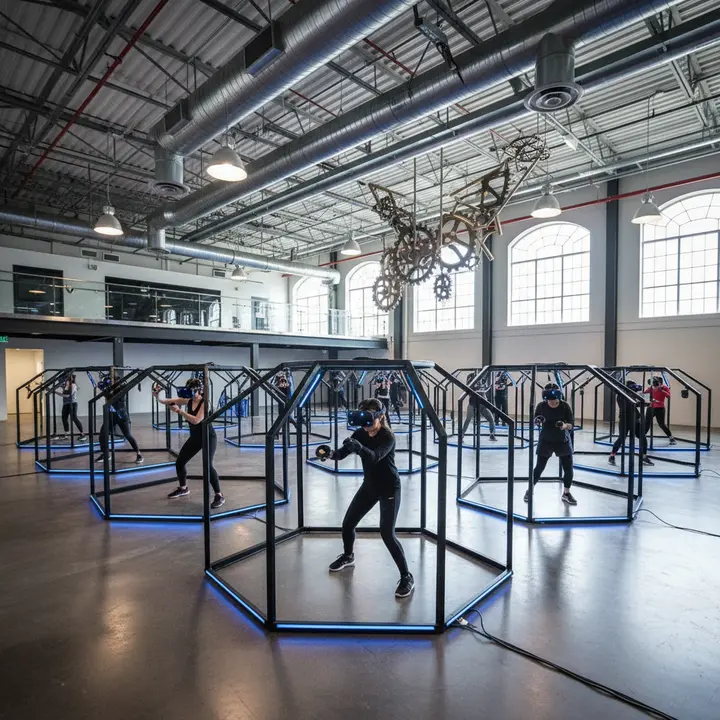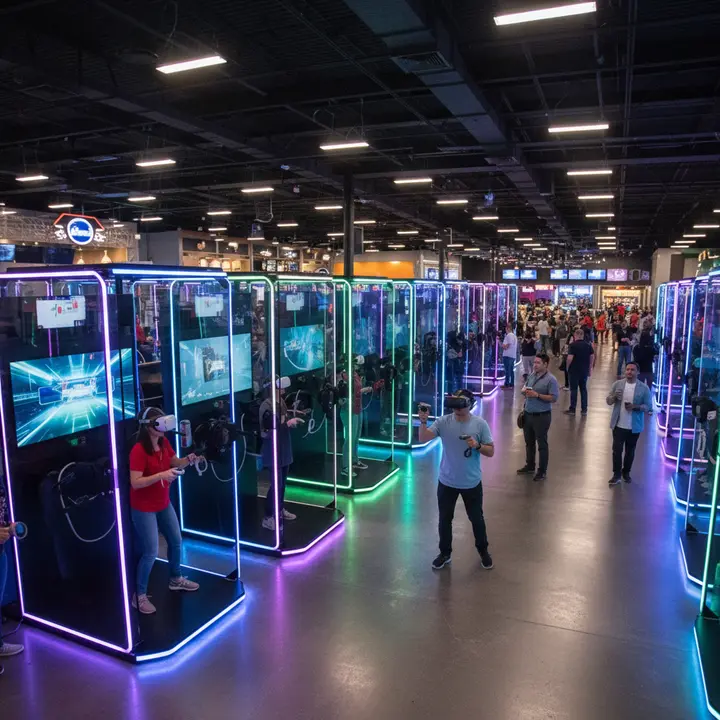
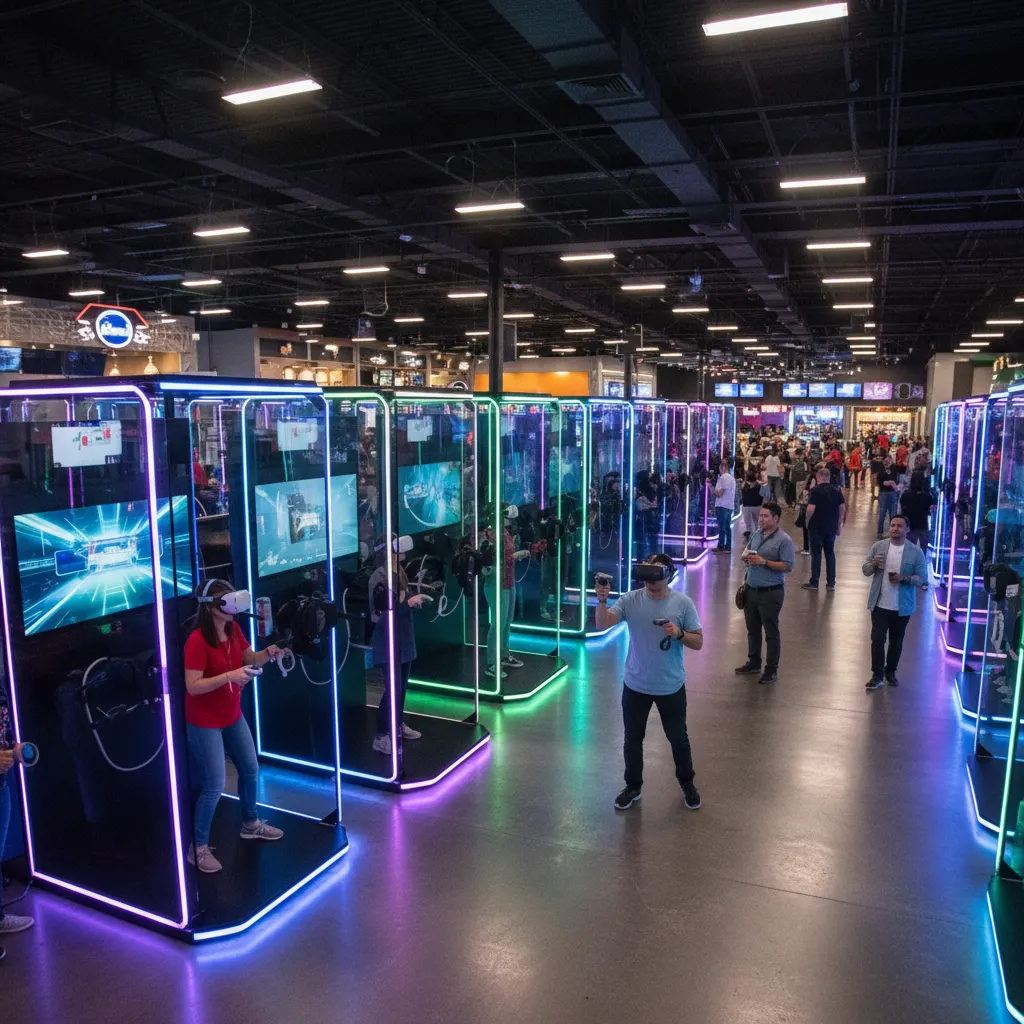
A virtual reality arcade in London, Ontario is a dedicated venue where you play immersive games and simulations using headsets and motion controllers. At 100 Kellogg Lane, The Next Level offers 22 gaming pods, 12 VR escape rooms for 1–6 players, and quick online reservations—ideal for families, birthday parties, school trips, and team building.
By The Next Level • Last updated: 2026-05-01
Above the Fold: Overview and Table of Contents
The Next Level is a premier virtual reality arcade inside The Factory at 100 Kellogg Lane in London, Ontario. With 22 gaming pods, 12 VR escape rooms, and easy online booking, it serves families, gamers, schools, and corporate groups looking for immersive, social experiences seven days a week.
Use this complete guide to plan a high‑impact visit to The Next Level—faster. You’ll see how the arcade works, what to play, and how to book for birthdays, school trips, and corporate events without stress.
- What is a VR arcade?
- Why it matters in London, Ontario
- How a VR session works
- Types of experiences at The Next Level
- Best practices for first‑timers and groups
- Tools, resources, and planning aids
- Mini case studies: parties, schools, teams
- Frequently Asked Questions
- Key takeaways and next steps
What Is a Virtual Reality Arcade?
A virtual reality arcade is a location‑based entertainment venue where guests use head‑mounted displays, room‑scale tracking, and motion controllers to play interactive games and simulations. The Next Level provides 22 managed pods, curated game libraries, and staff guidance so anyone can step in and be playing within minutes.
In simple terms, a VR arcade turns high‑end technology into an easy, hosted experience. Instead of buying equipment, you book a time, pick a game, and play inside a roomy pod with guardrails and floor markers.
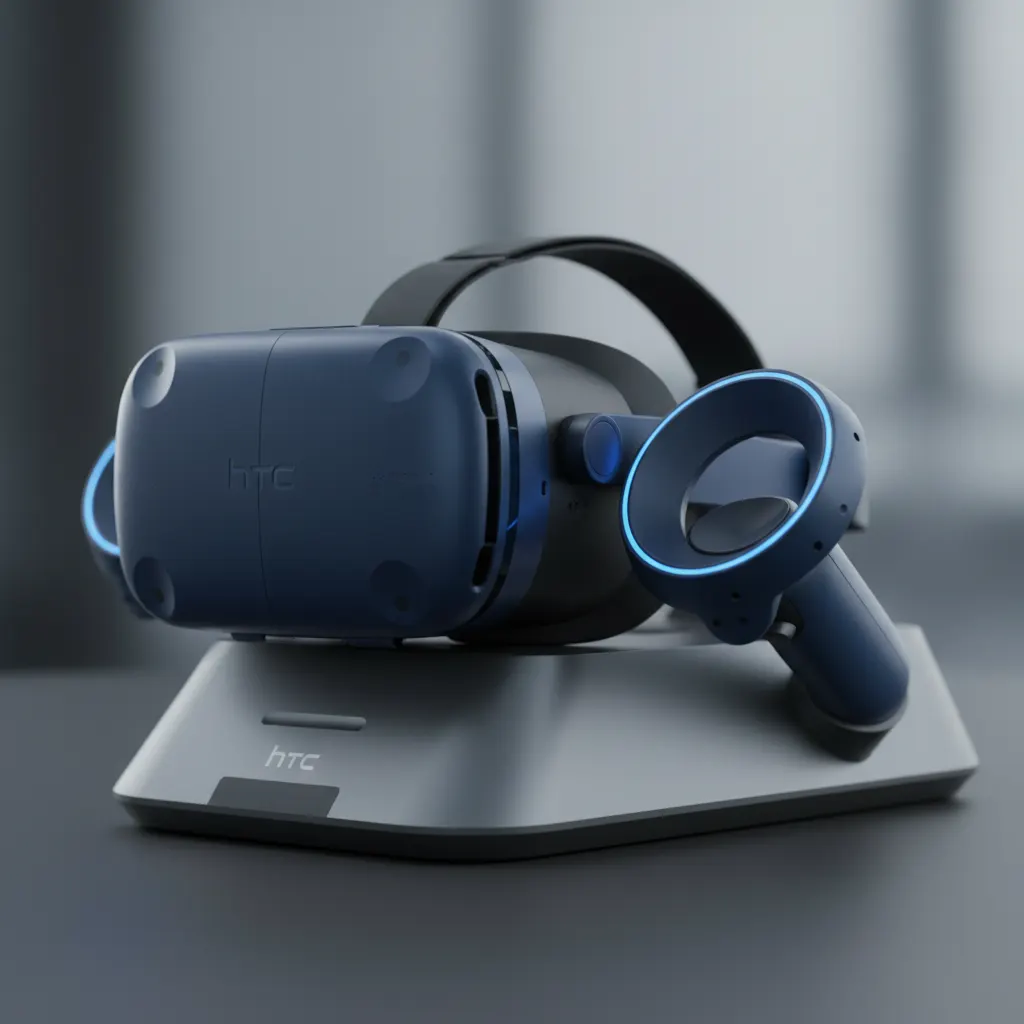
- Core components: Headsets (HTC Vive Pro), motion controllers, room‑scale tracking, and curated content.
- Managed play: Staff help calibrate your headset and load games so you focus on fun—not setup.
- Flexible formats: Solo play, co‑op, competitive multiplayer, and VR escape rooms with 1–6 players.
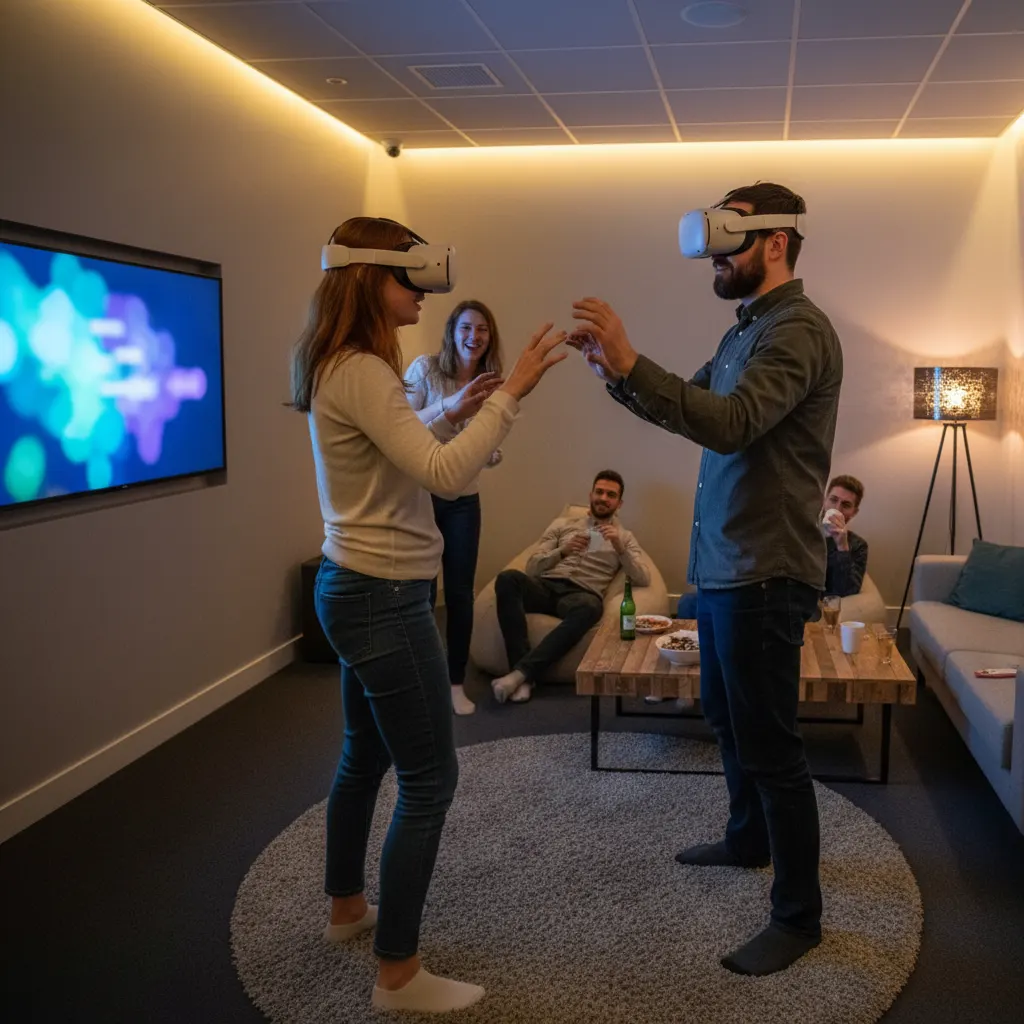
- Social by design: Spectator screens and a private party room make it engaging for non‑players.
At The Next Level, the arcade spans over 4,000 square feet, with 22 pods and 12 themed VR escape rooms. Those numbers matter because they directly influence availability during peak times and let larger groups play together without splitting across venues.
Why a VR Arcade Matters in London, Ontario
A strong virtual reality scene gives London families, schools, and companies a modern, high‑impact activity close to home. The Next Level’s 22 pods and 12 escape rooms reduce wait times, support groups of 6+, and keep experiences fresh with a constantly updated game library year‑round.
Here’s the thing: when a city has an advanced, spacious arcade, it simplifies planning. One destination can handle a birthday group, a grade‑level field trip, or a full team‑building afternoon with fast check‑ins and staff support.
- Local fit: The Next Level sits inside The Factory at 100 Kellogg Lane, a regional destination with parking and amenities.
- Year‑round reliability: Climate control and indoor play mean winter storms or summer heat don’t cancel plans.
- Broad appeal: Action, creative, educational, and puzzle titles welcome mixed interests in a single outing.
- Group capacity: With 22 pods, coordinated sessions let 10–20+ visitors rotate efficiently across games.
Because the content library is continuously updated, repeat visits feel new. That’s particularly helpful for school programs and corporate leagues that schedule monthly or quarterly sessions.
How a VR Session Works (Step‑by‑Step)
A standard session runs 30–60 minutes in a private pod. Staff size and fit your headset, confirm guardian settings, and launch your chosen title. You’ll move safely within a room‑scale boundary while controllers map your hands, letting you grab, aim, draw, or collaborate in real time.
Here’s a practical flow to expect during your visit. The timing below keeps most groups on schedule and gives newcomers time to adjust.
| Step | What happens | Typical timing |
|---|---|---|
| 1. Check in | Confirm reservation, sign waivers, and review play guidelines. | 5–10 minutes |
| 2. Gear setup | Staff adjust the HTC Vive Pro headset and controller straps to fit. | 3–5 minutes |
| 3. Calibration | Guardian boundaries, headset alignment, quick comfort check. | 2–3 minutes |
| 4. Game intro | Short tutorial and controls briefing based on your title. | 2–4 minutes |
| 5. Active play | 30–60 minutes of room‑scale gameplay; swap titles if desired. | 30–60 minutes |
| 6. Wrap‑up | Remove gear, sanitize equipment, record scores or leaderboards. | 3–5 minutes |
New to VR? Skim the in‑depth beginner VR tips so you step into your pod with confidence and minimize adjustment time.
Types of Experiences at The Next Level
You can choose from solo pods, multiplayer battles, creative sandboxes, educational titles, and 12 VR escape rooms for 1–6 players. This mix supports birthdays, corporate team building, and school outcomes while keeping seasoned gamers and first‑timers equally engaged.
The arcade’s strength is breadth. A large, rotating catalog means your group can split by interest and skill—then swap. That keeps energy high and wait times low.
- Personal gaming pods (22 total): Ideal for first‑time players; pick from action, rhythm, sports, or creative apps.
- Multiplayer VR games: Team up or face off; staff can co‑schedule pods so 4–8 players start together.
- VR escape rooms (12 rooms): Tight, cooperative experiences for 1–6 players that emphasize communication and puzzle solving.
- Educational VR experiences: Explore space, history, science, and art through interactive simulations and 3D creation.
- Artistic creation: Draw, sculpt, or paint in 3D space; creative apps are perfect for mixed‑age groups.
- Spectator‑friendly setup: Large TVs mirror play so friends, parents, or coworkers can cheer, coach, and clip highlights.
If your team loves puzzles, bookmark our in‑depth escape room strategy guide and hands‑on puzzle‑solving tips for faster finishes and cleaner communication.
Best Practices for First‑Timers, Parties, Schools, and Teams
Set your group up for success by scheduling 30–60 minute sessions, pairing newcomers with intuitive titles, and using the private party room as a central base. Clear roles, rotation plans, and hydration breaks keep larger groups on time and fully engaged.
In our experience hosting families, schools, and corporate teams, preparation equals performance. A little structure upfront powers a smoother outing and better memories.
Quick setup tips
- Arrive 10–15 minutes early: Check in, split lanyards by pod, and brief the group.
- Start simple: First‑timers often excel with rhythm or creative apps before jumping to intense action.
- Rotate smartly: Use 2–3 player “waves” so the rest can spectate on TVs or relax in the lounge.
- Use the party room: Stage belongings, snacks, and a scoreboard; the room’s large displays keep everyone involved.
Comfort and accessibility
- Motion comfort: Choose teleport movement or stationary modes first; most titles offer comfort toggles.
- Glasses‑friendly fit: HTC Vive Pro head straps and face pads accommodate many frame styles.
- Break cadence: Quick breathers every 20–30 minutes help groups maintain focus and form.
Group leadership frameworks
- For birthdays: Assign a “game captain” to help each friend pick and launch titles; rotate every 10 minutes.
- For school trips: Tie 2–3 learning objectives to titles; gather reflections between rotations.
- For corporate teams: Mix cooperative and competitive challenges; debrief highlights to connect play with teamwork behaviors.
If you’re planning a celebration, this step‑by‑step guide to plan a VR birthday party keeps the agenda tight and the fun high—for kids and adults.
Tools and Resources to Plan Faster
Plan your visit in minutes: browse curated games, pick 30–60 minute sessions, schedule adjacent pods for multiplayer, and reserve the private party room for home base. The arcade’s staff help with headset fit, safety, and game setup so you can focus on play and group flow.
Use these resources to speed up decisions and reduce back‑and‑forth before game day.
- Game discovery: Skim favorite genres as a group and shortlist 2–3 titles per person.
- Scheduling: Start pods together for multiplayer; stagger by 5–10 minutes for coaching rotations.
- Party room: Anchor belongings, food, and celebrations; the lounge seating and large TVs create a central hub.
- Educational angle: Review educational VR experiences to align titles with learning goals.
- School logistics: Coordinate chaperones and group sizes with school group activities guidance.
For event planners who like previewing spaces remotely, virtual venue tours can streamline walkthroughs and stakeholder alignment; this overview of virtual venue tour benefits explains how digital previews save time when coordinating larger groups.
Planning Your Visit in Old East Village, Middlesex County
The Next Level sits in London’s Old East Village, within Middlesex County, making it easy to pair VR with nearby attractions. Plan for parking, group check‑ins, and a post‑game bite; use the private party room as home base so rotations, spectators, and celebrations run smoothly.
Local context can simplify logistics for groups of all sizes. A little planning creates breathing room around check‑ins and rotations.
- Transit and timing: Factor a few minutes for parking and walking through The Factory to the arcade entrance.
- Rotation rhythm: For 10–20 guests, split into waves of 4–6; pods and escape rooms support parallel play.
- Nearby options: Consider pairing your visit with the London Children’s Museum or capping the night after a win near Gateway Casinos London.
Local considerations for Old East Village
- Weekend afternoons are popular; book early and build a clear rotation plan so 12–18 guests can cycle through pods efficiently.
- Winter and summer extremes increase indoor demand. Aim for morning or weekday slots for faster group setup.
- Use the party room as a briefing center—assign captains, confirm safety settings, and keep gear and snacks organized.
Booking: Your 8‑Point Fast Checklist
Book in minutes by locking your date, choosing 30–60 minute sessions, and aligning game choices with your group. Reserve adjacent pods for multiplayer, add the party room for a central hub, and share a quick playbook so everyone knows when—and what—they’re playing.
- Pick the date: Align with school calendars, birthdays, or team offsites.
- Estimate headcount: Count players and spectators; plan 1–2 extra spots for last‑minute joins.
- Choose sessions: Most groups thrive on 30–60 minute blocks with 1–2 rotations.
- Shortlist games: Build a menu of 2–3 per person; include a creative or casual option for first‑timers.
- Reserve adjacent pods: Lock in side‑by‑side pods for synchronized multiplayer starts.
- Add the party room: Use it as command center, spectator zone, and celebration space.
- Share the plan: Send a simple run‑of‑show: arrival time, pod assignments, safety reminders.
- Confirm accessibility: Note glasses wearers and motion comfort preferences for setup.
Looking for a quick “what to expect” primer? Our VR arcade in London overview breaks down pods, game types, and group options at a glance.
Safety, Comfort, and Motion Tips
Motion comfort improves with gradual pacing, teleport locomotion, and short breaks. Proper headset fit, clear boundaries, and staff guidance keep play safe. For groups, rotate players every 10–15 minutes at first so everyone finds a comfort level before tackling intense movement.
Most guests adjust within a few minutes. A clean fit and calm onboarding make the difference for first‑timers.
- Fit first: Center lenses, snug straps, and comfortable face pads reduce fatigue and boost clarity.
- Start seated or stationary: Practice with rhythm or creative titles before free‑movement games.
- Use comfort modes: Many titles offer vignetting, snap turns, and teleport to reduce sensory mismatch.
- Take quick breathers: Short breaks every 20–30 minutes help maintain energy and coordination.
- Hydrate and breathe: Simple cues keep groups alert during back‑to‑back rotations.
For remote walk‑throughs during planning, an explainer on virtual event tour technology shows how previews help align expectations, especially when you’re coordinating multiple stakeholders.
VR Escape Rooms: How They Work and Why Teams Love Them
VR escape rooms compress puzzles, story, and teamwork into 45–60 minute adventures for 1–6 players. Headsets track hands and movement so you can pass objects, split tasks, and solve in parallel. The format is ideal for birthdays, schools, and team building because progress requires clear roles and communication.
At The Next Level, 12 themed rooms support replayable, cooperative play. That variety lets you match difficulty and theme to your group.
- Onboarding: Quick tutorial and roles: navigator, collector, communicator, and solver.
- Mechanics: Inspect, combine, decode, and sequence puzzle elements in real time.
- Teamwork: Success hinges on call‑outs, shared context, and listening under time pressure.
- Replay value: New rooms and alternate paths keep return visits fresh.
Want a deeper dive before your next challenge? See our beginner tips and bookmark the strategy guide for faster puzzle breakthroughs.
Multiplayer, Leaderboards, and Friendly Competition
Multiplayer scheduling across adjacent pods turns a casual visit into a shared event. Start 4–8 players together, run two 15–20 minute rounds, and post scores to keep energy high. The party room’s TVs let spectators coach, celebrate, and plan the next match.
Competition is a simple structure that helps mixed‑skill groups gel. Scoreboards, mini‑tournaments, and timed challenges add just enough pressure to spark focus and teamwork.
- Pod blocks: Reserve 4–6 adjacent pods so squads can launch in sync.
- Rounds and swaps: Run back‑to‑back 15–20 minute rounds; winners pick the next mode or map.
- Shoutcasters: Assign two spectators as “casters” to track highlights and call plays.
- Coach’s corner: Use the party room lounge for quick huddles between rounds.
What to Bring and Wear
Wear comfortable, closed‑toe shoes and light layers. Bring water, hair ties, and glasses if you use them daily. Leave bulky accessories at home. For birthdays and team events, pack name tags and a simple run‑of‑show so everyone knows where to be and when.
- Clothing: Light, breathable layers and secure footwear help with balance and freedom of movement.
- Accessories: Hair ties, smartwatch off, and minimal jewelry keep things tangle‑free.
- Admin items: Waivers, name tags, and an agenda streamline group management.
Accessibility, Age Guidance, and Readiness
Most titles accommodate a wide age range with staff‑guided setup. Supervision is required for minors, and gentler titles are recommended for first‑timers. Headset fit and controller comfort matter most—once dialed in, guests of many ages can enjoy safe, engaging play.
- Guardian settings: Staff can recommend gentler titles, stationary modes, and comfortable pacing.
- Fit checks: Proper strap tension and lens alignment keep small faces comfortable.
- Gradual intensification: Move from creative or rhythm apps to exploration, then to action.
Virtual Reality Arcade London Ontario: Fast Facts
The Next Level operates 22 gaming pods and 12 VR escape rooms inside The Factory at 100 Kellogg Lane. Sessions typically run 30–60 minutes, support 1–6 players in escape rooms, and offer spectator‑friendly TVs and a private party room for birthdays, school trips, and corporate events.
- Capacity: 22 pods across more than 4,000 square feet of space.
- Experiences: Action, creative, educational, multiplayer, and escape rooms.
- Groups: Birthdays, school trips, and team building supported daily.
- Location: Inside The Factory, 100 Kellogg Lane, London, Ontario.
New here? Our quick beginner tips and VR arcade overview will help you choose the right first titles and plan your rotation.
Frequently Asked Questions
New to VR or bringing a group? These quick answers cover sessions, comfort, and planning for birthdays, schools, and teams. Each response is direct so you can move from question to booking in minutes.
How long is a typical VR session?
Most sessions run 30–60 minutes. That window gives first‑timers a comfortable ramp‑up and lets experienced players try multiple titles. For groups, plan one rotation per 30 minutes so everyone gets hands‑on time without rushing.
Are VR escape rooms good for team building?
Yes. VR escape rooms require parallel problem‑solving, role clarity, and concise communication. Teams that assign navigator, communicator, and solver roles finish faster and report better collaboration in later challenges.
What should first‑time players expect?
Expect a guided setup, a short controls tutorial, and 30–60 minutes of play in a private pod. Start with stationary or teleport movement for comfort. Staff will help with headset fit and make game recommendations based on your goals.
Can spectators enjoy the experience?
Absolutely. Large TVs mirror gameplay so friends, parents, and coworkers can watch, coach, and celebrate. The private party room doubles as a spectator lounge and planning hub between rounds.
Key Takeaways and Next Steps
For fast, engaging outings in London, Ontario, use The Next Level’s 22 pods and 12 VR escape rooms to fit any group. Book 30–60 minute blocks, reserve adjacent pods for multiplayer, and use the party room to keep rotations smooth and spectators involved.
- Match titles to experience levels: creative or rhythm first, then exploration or action.
- Use a simple run‑of‑show for groups: arrival, roles, rotations, and debrief.
- Make the party room your home base for birthdays, schools, and team events.
- Bookmark strategy content for puzzle play: escape room strategy and puzzle tips.
Soft CTA: Ready to play? Explore our VR arcade overview, skim beginner tips, and lock in your preferred time. We’ll handle setup so you can focus on the fun.