An immersive VR experience is a location-based simulation that uses a headset, precise 3D tracking, and hand controllers to place you inside interactive worlds. At The Next Level inside The Factory at 100 Kellogg Lane in London, Ontario, guests use HTC Vive Pro gear to move naturally, solve challenges, and play together in real time.
By The Next Level • Last updated: June 12, 2026
Summary
Immersive VR blends sight, sound, and motion so you feel present inside a digital space. At The Next Level, 22 pods, 12 VR escape rooms, and a private party room support families, friends, schools, and teams. This guide explains what immersive VR is, why it matters, how it works, and how to plan a smooth visit.
Here’s what you’ll get from this expert guide to immersive VR at The Next Level:
- Plain-English definitions and the core ingredients of presence
- Actionable steps to book, gear up, and play with confidence
- Format comparisons: arcade pods, multiplayer, and VR escape rooms
- Comfort and safety best practices for first-timers
- Local planning tips for Old East Village in Middlesex County
What is an immersive VR experience?
An immersive VR experience is a 3D, computer‑generated environment you enter with a headset and motion controllers. Accurate room‑scale tracking mirrors your real movements, so walking, reaching, and aiming feel natural. The result is presence: your brain treats the virtual world like a place you’re actually in.
In practice, “immersive” means your senses line up with what you see and do. Headset displays render realistic depth and motion. Handheld controllers provide tactile input for grabbing, pointing, and interacting. When visuals, audio, and motion agree, your mind relaxes into the moment and the activity becomes intuitive.
At The Next Level, that immersion is powered by HTC Vive Pro headsets, motion-tracking controllers, and 9×9 gaming pods that give you room to move safely. Content variety matters too: action, creative, educational, and multiplayer titles ensure there’s always a great fit for your group’s goals and comfort level.
Why immersive VR matters for families, teams, and schools
Immersive VR matters because it turns passive screen time into active, social play. Groups with mixed ages and skills can cooperate, compete, or explore side by side. It’s memorable, inclusive entertainment that doesn’t require owning equipment or managing complex setups at home.
Memorable group moments need three ingredients: shared goals, visible progress, and celebration. VR nails this. Whether a birthday crew chases high scores, a department solves puzzles under time pressure, or students paint in 3D, everyone can see wins happen in real time. That visibility keeps energy high and conversations flowing after the session.
Convenience helps, too. The Next Level is open seven days a week with easy reservations and staff who match games to your interests. For first-timers, a short onboarding plus beginner-friendly titles reduces friction. For returning fans, a frequently updated library keeps each visit fresh so your group has new challenges to conquer.
How immersive VR works: hardware, software, and space
Immersive VR works by aligning three systems: high‑fidelity headsets, precise tracking, and content designed for interaction. At The Next Level, HTC Vive Pro headsets, motion controllers, and spacious 9×9 pods create reliable room‑scale play, while staff curate titles to match skill, comfort, and goals.
Hardware quality shapes comfort. High‑resolution, high‑refresh displays reduce blur and help motion feel smooth. Room‑scale tracking ensures the system understands where your head and hands are, down to small gestures. Well‑balanced controllers reduce grip fatigue so you can focus on the experience instead of the gear.
Software design shapes enjoyment. Titles that teach mechanics quickly—teleporting, grabbing, aiming—build confidence within minutes. Comfort settings such as vignettes and snap turning help motion-sensitive players. Multiplayer lobbies and shared objectives bring people together across pods for friendly competition or coordinated teamwork.
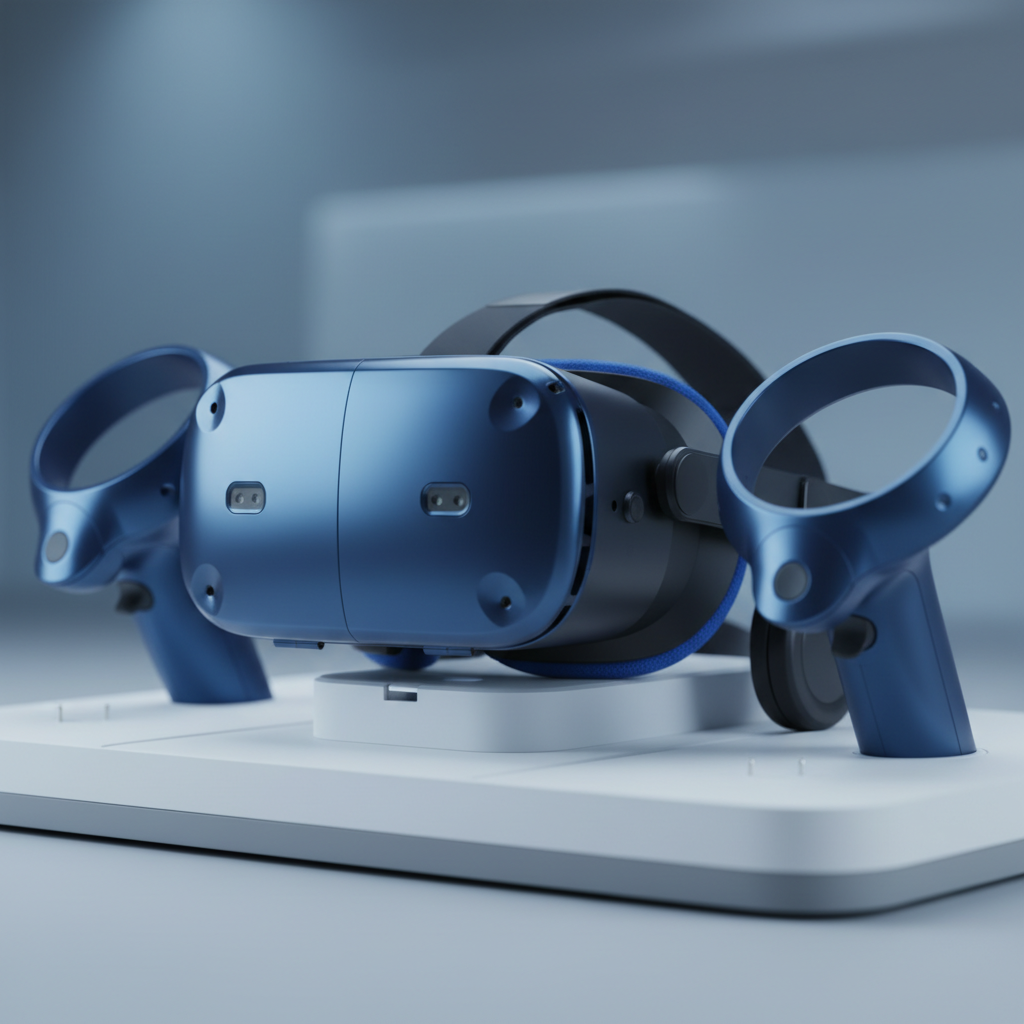
Space design shapes safety. Each personal pod at The Next Level provides a dedicated play area so you can step, turn, duck, and reach without bumping into friends. Clear boundaries, cable management, and attentive staff help you move freely while staying aware of your real surroundings.
Want a deeper dive into the tech side? Explore our plain-English explainer in the virtual reality experience guide and see how headset optics, tracking, and comfort settings work together.
Types of immersive VR at The Next Level
The Next Level offers three core formats: personal arcade pods for flexible play, 12 VR escape rooms for 1–6 players, and a private party room where groups regroup and spectators watch. Multiplayer games can link friends across pods for co‑op or competitive sessions.
Here’s how those formats map to real visits:
- Personal VR arcade pods: Solo or side‑by‑side play with quick game swapping. Great for varied tastes within one group.
- VR escape rooms (1–6 players): Team-first puzzles with clear objectives, time pressure, and shared “we did it!” moments.
- Multiplayer VR games: Link friends across pods; coordinate strategies, compare scores, and celebrate wins together.
- Educational/creative experiences: Paint in 3D, explore historical sites, or experiment with physics in guided simulations.
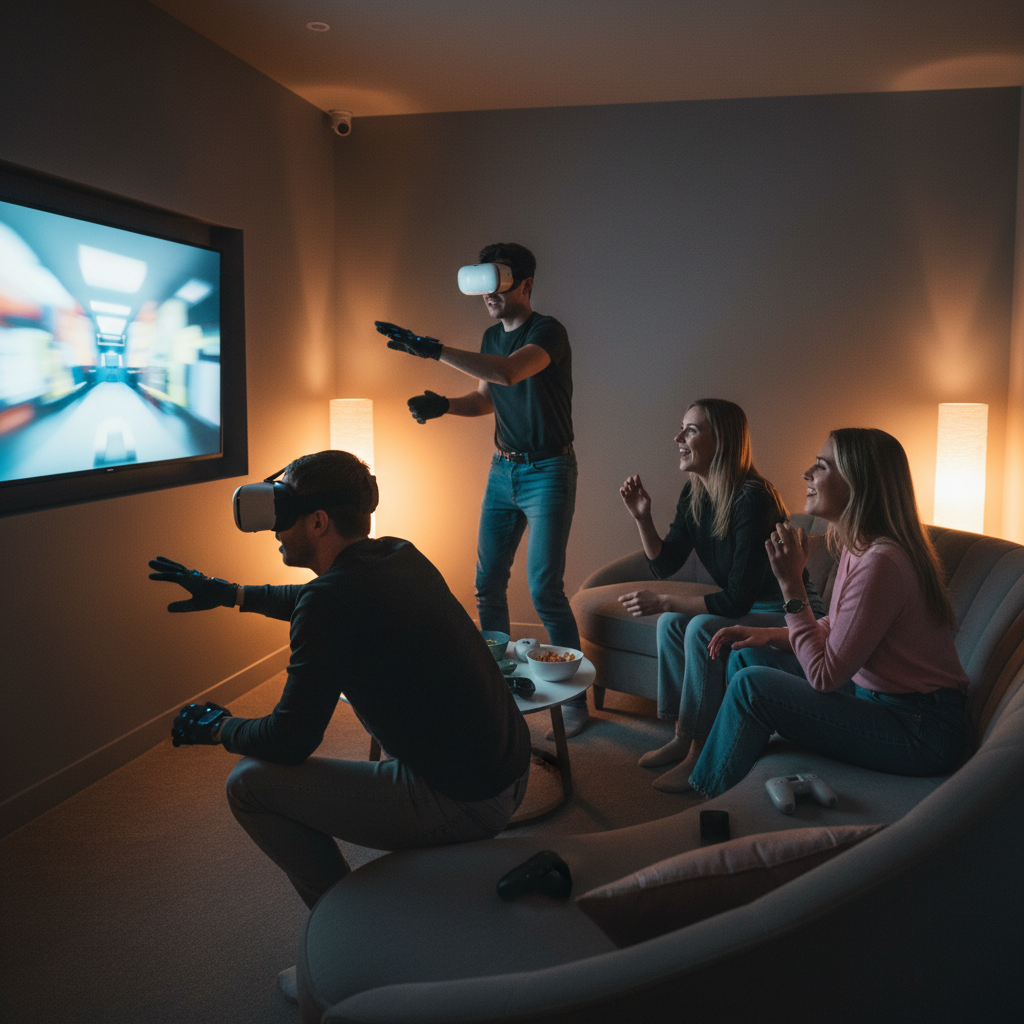
- Private party room: Lounge seating and large TVs let spectators enjoy the action and regroup between rounds.
Not sure where to start? Our team can match titles to your group’s vibe—intense, chill, artistic, or somewhere in between—so everyone has a strong first run.
For more inspiration, browse scenarios in our immersive VR experiences collection and see which worlds your crew wants to visit first.
Choosing the right format: pods vs. escape rooms vs. party room
Choose arcade pods for flexibility and quick game swaps, escape rooms for teamwork with a clear objective, and the party room as a social hub for spectating and regrouping. Mix formats to match your group’s size, skill levels, and goals for the day.
Use this at-a-glance comparison to pick your path:
| Format | Purpose | Group Size | Best For | Movement | Spectator‑Friendly | Setup Time |
|---|---|---|---|---|---|---|
| Arcade Pods | Flexible play and quick swaps | Individuals to small groups | Mixed interests and skill levels | Room‑scale; move freely in 9×9 area | Moderate (friends can watch nearby) | Very short; start in minutes |
| VR Escape Rooms | Team problem‑solving with objectives | 1–6 players per room | Cooperation and shared wins | Room‑scale; coordinated actions | High (group shares one mission) | Short; quick briefing and go |
| Private Party Room | Regrouping and spectating | Small to mid‑size parties | Birthdays, corporate, school groups | N/A (social lounge space) | Very high (large TVs with highlights) | None; lounge-ready |
If your goal is “everyone smiles and tries something new,” start in arcade pods and, if the energy’s high, add a cooperative escape room. Planning a birthday? See layout and flow ideas in our VR arcade gaming guide.
Step-by-step: from booking to high‑fives
Book online, arrive a little early, gear up with a sanitized headset, learn basic moves, start with comfort‑friendly titles, and level up as you go. Staff handle setup and recommendations so your group spends more time playing and less time figuring things out.
- Reserve online: Pick your date, time, and preferred formats. Add notes about your group’s experience level.
- Arrive 10–15 minutes early: Check in, stow belongings, and get fitted with headsets and controllers.
- Gear up: Staff adjust straps and hygiene covers, then check tracking and audio so you’re set.
- Learn the basics: Two minutes on teleporting, grabbing, and menu use pays off all session.
- Start simple: Choose beginner‑friendly titles first, then switch to faster or more complex challenges.
- Go multiplayer: Link pods for co‑op or versus once everyone’s comfortable.
- Capture the moment: Take photos between rounds and celebrate high scores in the party room.
For a smooth first visit, skim our virtual reality arcade in London guide and share it with your group ahead of time.
Best practices for comfort, safety, and success
Keep first sessions short, use comfort settings, and take breaks between titles. Rotate players, hydrate, and ask staff for tailored suggestions. These small habits maximize fun, minimize fatigue, and keep everyone engaged—especially first‑timers.
- Mind the first hour: New users do best with shorter sessions and clear goals.
- Use comfort tools: Vignettes, snap turns, and teleport reduce motion sensitivity.
- Switch it up: Rotate between action and creative titles to vary intensity.
- Hydrate and pause: Quick breaks reset your balance and prevent over‑focusing.
- Adjust the fit: A snug, level headset and relaxed grip improve clarity and control.
- Ask for curation: Our staff tracks what’s new and what pairs well for your group goals.
For party hosts, a simple running order—warm‑up, challenge round, cool‑down—keeps energy steady. For schools, consider pairing a creative tool with a content‑aligned simulation so students can build, then apply learning in context.
Tools and resources you can use today
Rely on managed hardware, curated content, and simple scheduling. The Next Level provides HTC Vive Pro headsets, motion controllers, 22 personal pods, 12 VR escape rooms, online booking, and a private party room so you can focus on the experience—not the logistics.
- High‑end headsets: HTC Vive Pro with reliable room‑scale tracking.
- Motion controllers: Natural grab, aim, throw, and interact.
- 22 personal pods: Dedicated 9×9 play spaces with clear boundaries.
- 12 VR escape rooms: 1–6 player missions for cooperative problem‑solving.
- Curated library: Action, creative, educational, and multiplayer titles—updated often.
- Private party room: Lounge seating and large TVs for shared viewing.
- Online booking: Reserve times and formats in advance—easy to share with your group.
Want expert picks for your first visit? See our VR gaming experience guide to match titles with your goals.
Plan your visit in Old East Village (London, ON)
The Next Level sits inside The Factory at 100 Kellogg Lane in Old East Village, serving Middlesex County with easy access and daily hours. Pair your session with nearby activities, plan travel time, and coordinate meeting points so your group flows smoothly from arrival to high‑fives.
Being part of a large entertainment complex makes planning simple for hosts and teachers. Clear signage, ample common space, and staff assistance help groups gather and move between pods, escape rooms, and the party room. Sharing a quick itinerary with your guests keeps the day humming.
Local considerations for Old East Village
- Time visits outside school breaks and major holidays to avoid peak periods and get more flexibility.
- Pair your outing with a quick stop at the London Children’s Museum for a full family day—great for mixed‑age groups.
- Corporate teams often find weekday afternoons smoother for logistics; use the party room as a home base between activities.
Looking for a broader attractions rundown? Our Factory London attractions guide highlights ways to structure a full day on site.
Case studies and real examples
Use these quick scenarios to plan your own visit: rotate through arcade pods for variety, tackle a shared escape room for teamwork, or blend creative and educational titles for school outcomes. Each format creates visible wins and great post‑game conversation.
Birthday party flow
- Warm‑up in arcade pods with beginner‑friendly titles while guests arrive.
- Switch to a fan‑favorite multiplayer challenge and post scores in the lounge.
- Regroup in the party room for cake, gifts, and spectator moments on the big TVs.
Team‑building sprint
- Two squads race the same VR escape room objective with synchronized start times.
- Debrief in the party room: what worked, what to try next, and how roles emerged.
- Finish with a light competitive title to channel fresh collaboration into fun.
School visit pairing
- Creative block: students paint or sculpt in 3D to learn spatial thinking.
- Applied block: a guided simulation aligned with the class theme.
- Reflection: brief discussion prompts on observation, teamwork, and iteration.
For more real‑world planning tips, review the quick checklist in our VR escape rooms guide and map it to your team or class objectives.
Frequently Asked Questions (FAQ)
New to VR? These quick answers cover safety, how escape rooms work, what to wear, spectating options, and booking. Share this section with your group before arrival to speed up check‑in and maximize time on headsets.
Is VR safe for kids and first‑timers?
Yes. Sessions start with a short orientation, and staff suggest comfort‑friendly titles. Room‑scale pods provide clear boundaries, and you can pause anytime for a quick reset. If someone is motion sensitive, enable vignettes, teleport, or snap turns for a gentler experience.
How do VR escape rooms work?
Teams of 1–6 players enter a shared virtual environment and collaborate to solve puzzles before time runs out. Clear objectives, visible progress, and voice communication keep everyone aligned. It’s ideal for team building because roles emerge naturally—scout, solver, communicator, and coordinator.
What should we wear for a VR session?
Wear comfortable clothes and secure footwear you can move in. Avoid bulky hats or high hairstyles that can affect headset fit. Glasses usually fit under headsets, but contacts can feel lighter. Bring a hair tie or sweatband if you tend to run warm during active games.
Can spectators watch the action?
Yes. The private party room features lounge seating and large TVs so spectators can follow highlights and cheer between rounds. Friends waiting in nearby pods can also watch briefly and jump in when it’s their turn, which keeps the experience social.
Do we need to book in advance?
Advance reservations are recommended, especially for weekends, school breaks, and group events. Booking ahead ensures your preferred formats—arcade pods, VR escape rooms, or the party room—are set up for your arrival and that your group can start on time.
Still planning details? The quick answers on our FAQ page cover arrival timing, group logistics, and more.
Key Takeaways
Immersive VR thrives on presence, interaction, and shared goals. Start simple, add variety, and match formats to your group. With 22 pods, 12 escape rooms, and a party room, The Next Level makes it easy to turn any outing into a story worth sharing.
- Presence happens when visuals, audio, and motion agree—your brain believes the space.
- First‑timers succeed with short sessions, comfort settings, and clear goals.
- Choose formats by objective: flexibility (pods), teamwork (escape rooms), or social hub (party room).
- Curated game libraries and staff guidance reduce friction and keep visits fresh.
- Plan timing around your group’s energy and local peak periods for smooth flow.
Conclusion
Immersive VR turns ordinary get‑togethers into active, shared adventures. With high‑end gear, roomy pods, and curated titles, The Next Level helps first‑timers and enthusiasts jump in fast and have fun together. Pick a goal, reserve your spot, and let our team set the stage.
If you want even more tips, explore our London VR arcade guide and the VR gaming experience guide before you arrive. For hybrid events or inspiration on showcasing experiences, see this primer on virtual event tour technology and imagine how your team could combine in‑person VR with pre‑event hype.