VR escape rooms are immersive, team-based puzzle adventures you experience through virtual reality headsets. At The Next Level inside The Factory (100 Kellogg Lane, London, ON), groups of 1–6 players collaborate in shared digital worlds to solve challenges within a set time. It’s social, safe, and ideal for birthdays, corporate teams, and school groups.
By The Next Level • Last updated: 2026-05-28
At a Glance
VR escape rooms combine classic escape-room logic with virtual reality, letting teams of 1–6 players solve puzzles in fully interactive worlds. At The Next Level in London, Ontario, you’ll choose from 12 themed adventures, play in 22 managed pods with HTC Vive Pro headsets, and collaborate in real time—perfect for groups and events.
This quick overview lays out what to expect at The Next Level’s VR escape rooms so you can plan with confidence. We cover how sessions run, who they fit best, which themes to try first, and how to organize smooth group visits in The Factory’s 4,000+ square feet VR venue.
- What VR escape rooms are and how they work in practice
- Why they’re great for families, parties, corporate teams, and schools
- Session flow: check-in, headset orientation, gameplay, and debrief
- Types of rooms: fantasy, sci-fi, history, puzzle-heavy, and more
- Local visit tips for Old East Village and Middlesex County
What Are VR Escape Rooms?
A VR escape room is a team puzzle experience set in a virtual environment. Players wear headsets and use motion controllers to explore spaces, find clues, and solve tasks together. At The Next Level, 12 themed rooms support 1–6 players, using HTC Vive Pro and room-scale tracking for natural movement and interaction.
Think of a traditional escape room, then remove the walls. In virtual reality, environments can be vast, gravity can change, and puzzles can be spatial or physics-driven in ways real rooms can’t match. That freedom keeps experiences fresh for mixed groups and repeat visits.
Core elements you’ll experience
- Shared objectives: Your team receives a clear mission and must cooperate to succeed.
- Immersive worlds: Headsets place you inside themed settings—castles, labs, ruins, starships.
- Room-scale movement: Walk, reach, and gesture naturally thanks to 3D space tracking.
- Time-bound challenge: Most sessions target about an hour of focused problem solving.
- Live guidance: Staff monitor play and keep your experience smooth from start to finish.
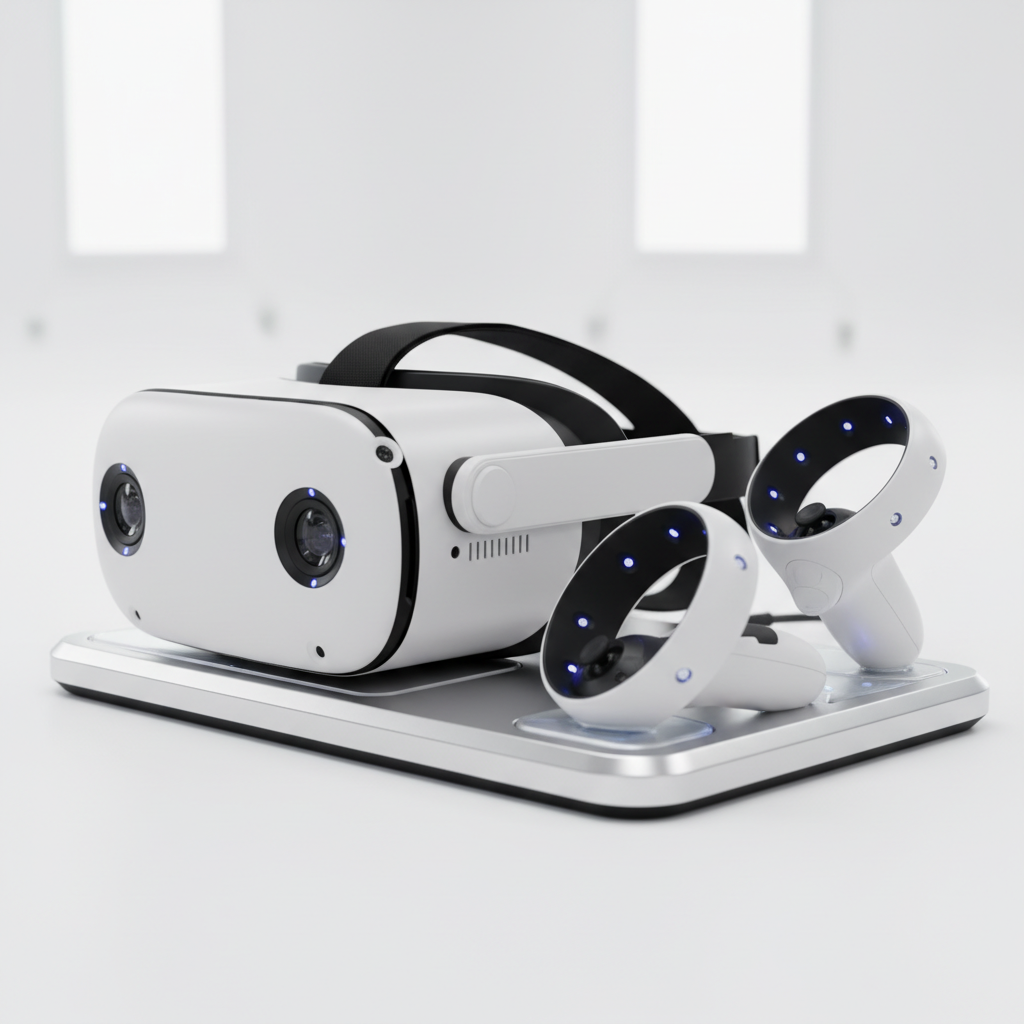
At The Next Level, the technology stack includes 22 individual gaming pods, 24–25 HTC Vive Pro headsets, and motion tracking controllers. Those numbers matter: more pods mean better availability for groups, and premium headsets deliver clearer visuals and precise input.
Why VR Escape Rooms Matter for Groups
VR escape rooms build collaboration and communication fast. Teams practice problem-solving under time pressure while exploring memorable, story-driven worlds. At The Next Level, flexible capacity—22 pods and 12 rooms—lets families, corporate teams, and school groups run back-to-back sessions without long waits.
Groups come to VR for different reasons: some want celebration energy, others want team building, and schools want interactive learning. VR fits all three because the environment adapts to skill levels and interests. Everyone can meaningfully contribute—spotting clues, organizing tools, or guiding the mission.
Benefits you can count on
- Inclusive gameplay: 1–6 players per room means every voice matters.
- Rapid engagement: Headset immersion reduces distractions and gets teams aligned in minutes.
- Adaptable difficulty: Different themes and mechanics support new players and enthusiasts.
- Replayability: With 12 themed rooms and a massive game library onsite, repeat visits stay fresh.
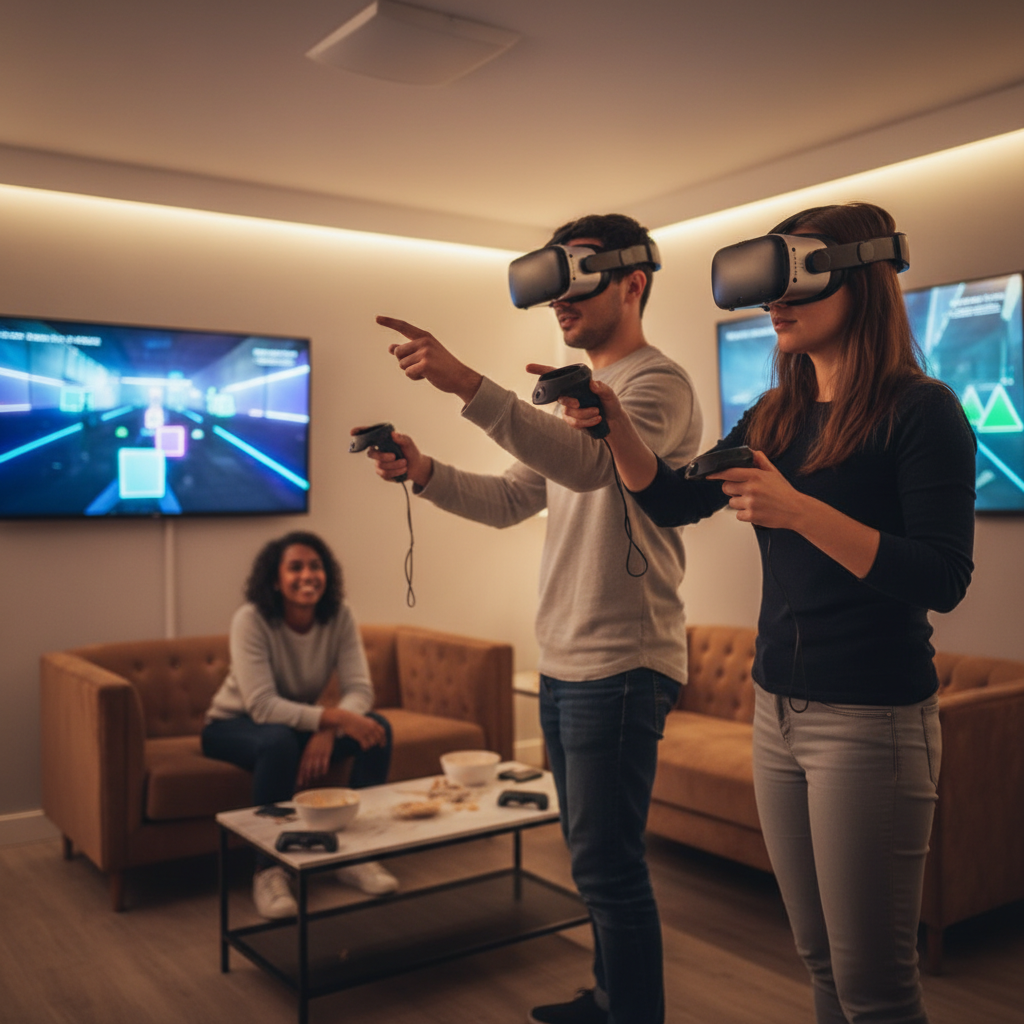
- Event-friendly: A private party room with lounge seating and large TVs lets spectators share the fun.
For London families seeking something new, The Next Level’s capacity and variety make planning easier. Corporate organizers gain a turnkey venue that blends fun with soft-skill practice. Educators get hands-on simulations where history, art, and science feel alive.
How VR Escape Rooms Work at The Next Level
Your visit follows a simple flow: check in at The Factory location, get a headset orientation, choose from 12 themed rooms, and play cooperatively for the session window. Staff manage 22 pods with HTC Vive Pro gear, ensuring smooth tracking, clean handoffs, and timely debriefs for teams of 1–6.
Here’s the typical experience path we use for groups and first-timers alike. It’s designed to be predictable, safe, and social—so your energy goes into solving puzzles, not figuring out logistics.
- Arrival and welcome: Head to 100 Kellogg Lane inside The Factory. Our team confirms your booking and group size.
- Orientation: We demonstrate headset fit, controller basics, and room-scale boundaries.
- Room selection: Pick from 12 themed VR escape rooms. We’ll suggest options for 1–6 players.
- Gameplay: Work together across 22 pods, communicating constantly to move the story forward.
- Debrief: Remove headsets, high-five, and review highlights on large, wall-mounted TVs.
Room-scale boundaries and 3D space tracking keep movement natural and safe. For a deeper dive into spatial tracking, see this overview of room-scale VR tracking.
| Aspect | VR Escape Rooms | Physical Escape Rooms |
|---|---|---|
| Space & Set Design | Unlimited virtual sets; scale and physics can change | Constrained to real props and room size |
| Team Movement | Room-scale walking, teleport mechanics, natural gestures | Free movement within physical space |
| Replay Variety | 12 themed rooms; easy to switch experiences | Fewer sets; resets required between teams |
| Spectator View | Large TVs let non-players watch and cheer | Viewing limited to inside the room |
| Accessibility | Adjustable comfort settings, controller aids | Physical constraints of the space |
Want help picking the right mission for your crew? Browse our quick VR escape room overview for London, Ontario visitors.
Types of VR Escape Rooms and Difficulty Levels
VR escape rooms at The Next Level span fantasy, sci-fi, history, mystery, and pure puzzle themes. Each mission supports 1–6 players and offers adjustable comfort settings. New players tend to prefer exploration-first stories, while enthusiasts gravitate to logic-heavy challenges and time-critical sequences.
Theme variety is why many groups book more than one session. You can fly across broken worlds in one adventure, then decode ancient mechanisms in the next. Different mechanics reward different teammates—observation, pattern recognition, spatial reasoning, and communication.
Popular categories to consider
- Family-friendly fantasy: Bright visuals, clear objectives, and generous hint systems.
- Sci-fi thrillers: Tech puzzles, consoles, and team roles like engineer or navigator.
- Historical mysteries: Artifact hunts, symbol decoding, and environmental storytelling.
- Pure logic puzzles: Minimal narrative; maximum riddle-solving and sequencing.
- Action-forward adventures: Light dexterity tasks with cooperative timing.
For mixed-skill groups, we’ll suggest missions with balanced mechanics so first-timers succeed while veterans stay engaged. With 12 rooms onsite, it’s easy to stack a second experience if your team finishes early and wants more variety.
Best Practices to Solve Faster (and Have More Fun)
The fastest teams share information constantly, divide roles, and use the environment. At The Next Level, we recommend clear callouts (“I found a key symbol!”), quick role swaps, and rotating search patterns. With 12 themed rooms and 22 pods onsite, you can refine tactics across back-to-back sessions.
Here’s the playbook our staff sees work again and again. It respects new players, keeps momentum high, and turns near-misses into rally moments.
- Talk out loud: Narrate what you see so others can connect clues.
- Tag the map: Mentally divide the space—left, right, center, high.
- Swap roles often: If brute force fails, switch to a pattern hunter or tester.
- Use the hint system: A timely nudge beats a stalled team every time.
- Celebrate small wins: Positive energy keeps everyone solving.
For deeper coaching on puzzle flow and time management, see our in-depth strategy guide for escape rooms. You can also skim our broader VR arcade gaming guide to warm up first-timers before the main event.
Tools, Comfort Settings, and Helpful Resources
The Next Level equips teams with HTC Vive Pro headsets, motion controllers, and room-scale tracking across 22 pods. Comfort settings—snap turns, teleport movement, vignette, and height calibration—help first-timers adapt fast. For background, review our general VR experience FAQ before arriving.
Strong tools and quick references reduce friction. Bringing an enthusiastic attitude helps most, but ergonomic setup and comfort features make a noticeable difference—especially for schools, multi-generational families, and corporate groups with varied experience levels.
- Headsets: HTC Vive Pro units with crystal-clear optics and accurate tracking.
- Controllers: Motion-tracked input with haptics for precise interactions.
- Boundaries: Visible floor markers define safe play areas in each pod.
- Comfort options: Teleport locomotion, snap turns, and tunable vignettes.
- Accessibility: Staff can adjust height, straps, and controller mappings.
Want to plan a larger outing that mixes arcade play and escape rooms? Check out our organizer tips for smoother group bookings and our guide to the The Factory London attractions under the same roof.
Planning Your Visit in Old East Village
Located in Old East Village, Middlesex County, The Next Level sits inside The Factory at 100 Kellogg Lane. The venue’s 4,000+ square feet, 22 pods, and 12 VR escape rooms support back-to-back sessions for 1–6 players—ideal for families, birthday parties, school trips, and corporate teams planning an afternoon itinerary.
Many groups pair a VR session with nearby stops to make a half-day in the neighborhood. Our private party room—with lounge seating and large TVs—lets you stage cake breaks or team debriefs between experiences.
Local considerations for Old East Village
- Build a family-friendly day by visiting the London Children’s Museum before or after your session—kids stay engaged when activities change pace.
- Weekends and holidays fill quickly; secure your preferred time early and budget a few extra minutes for parking and check-in.
- For corporate teams, start with a focused escape room, then move to the private party room for presentations and recognition moments.
First-time visitors often appreciate a quick venue overview. Our virtual reality experience guide covers headset comfort and first 10-minute expectations so everyone arrives relaxed and ready.
Planning a birthday, school trip, or team offsite? Use our concise organizer resource on group VR booking tips and lock in your date at The Factory, 100 Kellogg Lane.
Case Studies and Real-World Examples
At The Next Level, we see three common success patterns: family birthdays that include spectators in the party room, corporate teams that rotate through multiple rooms for back-to-back sessions, and school groups that integrate VR with curriculum. Capacity (22 pods, 12 rooms) keeps schedules tight and energy high.
Birthday party scenario
- Group size: 8–12 attendees, rotating 1–6 players per room.
- Flow: Welcome → headset orientation → escape room → cake in the party room → arcade free play.
- What worked: Large TVs so non-players cheer; fast swaps between rooms; balanced difficulty.
Corporate team-building scenario
- Group size: 12–24 teammates arranged in small squads.
- Flow: Briefing in party room → simultaneous missions → debrief and peer shout-outs.
- What worked: Role rotation, success metrics per mission, and a light prize for best collaboration.
School group scenario
- Group size: One or two classes with rotating pods.
- Flow: Safety and comfort orientation → history or science mission → reflection questions.
- What worked: Clear objectives, teacher facilitation, and missions that reinforce lesson goals.
Need more examples? Our page on planning a VR night out shows how families and friend groups stack experiences for maximum variety in a single visit.
FAQ: VR Escape Rooms
New to VR escape rooms? These quick answers cover session length, group size, comfort, accessibility, and booking logistics at The Next Level. For more details, explore our onsite guides and contact our staff—we’re open seven days a week inside The Factory at 100 Kellogg Lane.
How many players can join a single VR escape room?
Each mission supports 1–6 players, which keeps communication tight and gives everyone a role. For larger parties, we schedule back-to-back sessions or run multiple rooms at once so your full group stays engaged.
Are VR escape rooms comfortable for first-time players?
Yes. We adjust headset fit, enable teleport movement, and use snap turns and vignette settings to make play comfortable. Our team provides a short orientation so first-timers feel confident before the mission begins.
What ages are best for VR escape rooms?
Families with older kids, teens, and adults all enjoy VR rooms. We’ll recommend themes that match your group’s comfort and experience level, and we always keep play supervised to ensure a safe, positive session.
How long does a typical session take from check-in to debrief?
Plan for about an hour door-to-door, which includes check-in, headset orientation, gameplay, and a short debrief. Larger groups may run multiple rooms in parallel or back-to-back depending on your schedule.
Can spectators watch the action?
Absolutely. Our private party room includes large wall-mounted TVs so friends, parents, or coworkers can follow along. Spectators add energy and keep the whole group involved between turns.
Conclusion: Key Takeaways and Next Steps
VR escape rooms at The Next Level blend immersive storytelling with teamwork. With 12 themed rooms, 22 pods, and HTC Vive Pro hardware, we support 1–6 players per mission and larger groups through seamless scheduling. It’s a turnkey way to create memorable birthdays, school trips, and team-building days.
- Team-ready: 1–6 players per room; flexible rotations for bigger groups.
- High capacity: 22 pods inside a 4,000+ square feet VR venue.
- Variety: 12 themed rooms plus a massive game library under one roof.
- Event support: Private party room with lounge seating and large TVs.
- Easy planning: Located in Old East Village at The Factory, 100 Kellogg Lane.
Ready to plan? Start with our concise VR escape room overview, then review group booking tips to coordinate sessions for families, schools, or teams.
Book your next adventure at The Factory, 100 Kellogg Lane. Build your itinerary in Old East Village and make your visit to London, Ontario unforgettable.