
A VR escape room in London, Ontario is a timed, story-driven puzzle adventure you play inside a headset at The Next Level (inside The Factory at 100 Kellogg Lane). Teams of 1–6 explore virtual worlds, use hand controllers to manipulate objects, and solve challenges together. It’s immersive, social, and easy to book online.
By The Next Level • Last updated: May 8, 2026
Summary
VR escape rooms combine classic escape-room teamwork with virtual worlds you explore using room-scale headsets. At The Next Level in London, Ontario, you’ll find 12 scenarios for 1–6 players, staff guidance, and simple online booking. Expect clear objectives, intuitive controls, and a social lounge where friends can watch on large screens.
Planning a VR escape room night for friends, a birthday, a corporate team, or a school group? This complete guide explains what to expect at The Next Level, how to choose the right scenario, and how to get the most fun (and fastest time) from your run.
- What VR escape rooms are and how they work on HTC Vive Pro headsets
- Why teams in Old East Village love them for birthdays, team building, and field trips
- Step-by-step tips to plan, book, and win
- Accessibility, safety, and comfort insights for new players
- Local considerations for Middlesex County visitors
What is a VR escape room?
A VR escape room is a cooperative, time-limited puzzle adventure experienced through a headset and motion controllers. Players move naturally in room-scale space, interact with virtual objects, and solve narrative clues together. It blends the teamwork of physical escape rooms with limitless, cinematic environments and scalable difficulty.
At The Next Level, VR escape rooms are designed for 1–6 players. Each scenario runs on high-end HTC Vive Pro headsets with room-scale tracking and precise motion controllers. You’ll hear the narrative through the headset audio, see your teammates as avatars, and collaborate through voice chat and shared tasks.
- Team size: 1–6 players per scenario encourages clear roles and communication.
- Play space: Over 4,000 square feet in the arcade and 22 individual gaming pods ensure comfortable, managed play.
- Content variety: 12 themed escape adventures—mystery, sci‑fi, ancient ruins, and more—updated regularly from a large game library.
- Visibility for spectators: Large wall‑mounted TVs in the private party room let friends follow the action live.
Because puzzles live in software, designers can create physics-defying sequences and layered clue paths that aren’t possible in physical sets. That’s why many veteran escape fans love VR: new mechanics, faster iteration, and near-infinite scene variety.
Why VR escape rooms matter in London, Ontario
VR escape rooms offer accessible, group-friendly entertainment that suits London’s diverse audiences—families, students, and corporate teams. In Old East Village, The Next Level pairs 12 scenarios with a social lounge, making it a reliable pick for birthdays, team building, and field trips across Middlesex County.
Local groups often need a single activity that fits mixed ages and skills. VR works because difficulty scales collaboratively: one player focuses on pattern clues while another manages spatial puzzles. For coordinators, that flexibility simplifies planning compared with activities that require uniform skill or fitness.
- For families: Short, high-energy sessions keep kids engaged without long setup or transitions.
- For corporate teams: Roles emerge naturally—navigator, communicator, tester—so everyone contributes within 10 minutes.
- For schools: Interactive problem-solving supports curriculum goals in STEM, art/design, and history through scenario themes.
- For friend groups: Multiplayer coordination and shared victories translate into memorable stories after the session.
Being inside The Factory at 100 Kellogg Lane also means easy planning: food and other attractions are nearby, with ample space and convenient parking for groups traveling from around the region.
How a VR escape room works (step-by-step)
You book a scenario, check in, gear up with an HTC Vive Pro headset, and receive a short briefing. Once inside the virtual space, your team follows objectives, finds clues, and solves puzzles before time expires. Staff monitor progress, offer hints, and ensure comfort and safety throughout.
- Choose your scenario: Pick from 12 themes by difficulty and vibe (mystery, fantasy, exploration, sci‑fi).
- Book online: Use the arcade’s simple reservation system for your group and timeslot.
- Arrive and check in: Staff greet you, organize pods, and answer questions.
- Gear up: Fit the headset comfortably; adjust straps and IPD for clarity.
- Tutorial: Learn to grab objects, teleport/move, and use tools. Most teams feel ready in 3–5 minutes.
- Play and communicate: Explore the room, share discoveries aloud, and track objectives.
- Ask for hints: If stuck, staff provide timely nudges to keep the pace fun and rewarding.
- Debrief: Celebrate in the lounge and compare puzzle paths on the wall‑mounted TVs.
Because everything runs on room‑scale tracking, your natural movement and controller gestures become the interface. If you can point, grab, stack, and aim, you’re ready to play. Staff keep an eye on progress from start to finish so the experience stays smooth for every skill level.
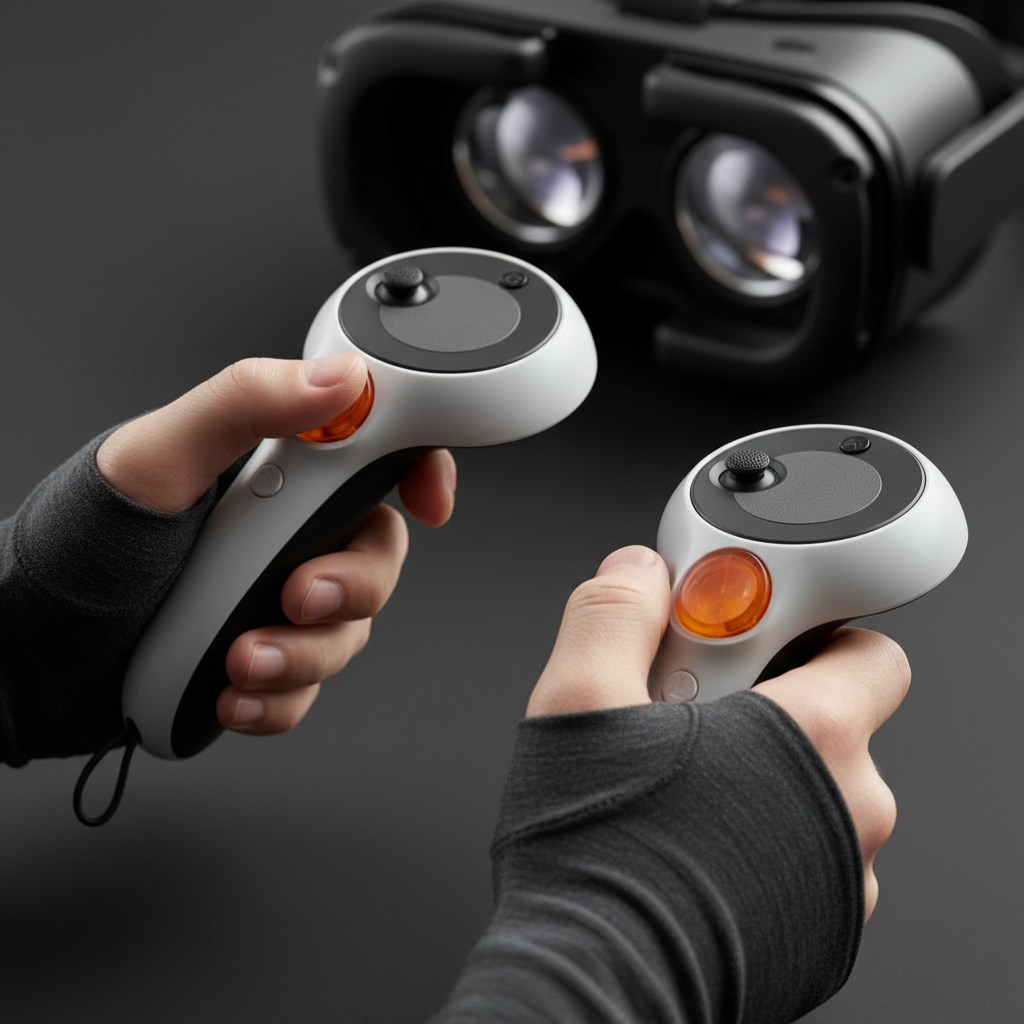
Types of VR escape experiences (and how to pick)
Most VR escape rooms fit into four styles: narrative mysteries, physics-driven puzzles, exploration/collection quests, and action-hybrid adventures. Choose based on your group’s energy level, puzzle preference, and experience with VR. New players often thrive in mystery or exploration scenarios.
Common scenario styles
- Narrative mystery: Story-forward, clue chaining, logical deduction. Great for families and first-timers.
- Physics puzzle: Spatial reasoning, stacking, levers, and timing challenges. Ideal for players who enjoy hands-on tinkering.
- Exploration quest: Search-and-collect tasks across multiple rooms or zones. Good for larger teams that like to split and conquer.
- Action hybrid: Light coordination under time pressure, sometimes with stealth or defense mechanics (still puzzle-first).
How to match a scenario to your group
- Age mix: Choose approachable narratives if your party includes kids or first-time VR users.
- Team dynamic: For corporate groups, favor styles that emphasize communication and role clarity.
- Replay goals: If you plan to return, vary the style to keep learning curves fresh across visits.
- Time window: Pick scenarios that fit your schedule and attention span; talk with staff for tailored picks.
We’ve found that a little pre-planning goes a long way. Share who’s a puzzle solver, who’s tech-savvy, and who enjoys exploring; staff can then recommend a theme that rewards those preferences right away.
VR vs. physical escape rooms: key differences
Both formats reward teamwork, but VR offers impossible environments, dynamic clue paths, and precise accessibility controls. Physical rooms deliver tactile props and set design. If you want maximum variety and fast onboarding for mixed groups, VR usually wins on flexibility and replayability.
| Aspect | VR Escape Rooms | Physical Escape Rooms |
|---|---|---|
| Environment | Limitless, cinematic worlds; instant scene changes | Hand-built sets; fixed rooms |
| Puzzle variety | Physics, logic, spatial, and co-op mechanics in one run | Primarily tactile and logic-based |
| Onboarding | 3–5 minute tutorial; intuitive grabbing/pointing | Brief rules; learn room layout manually |
| Accessibility | Adjustable comfort, visuals, and movement | Fixed physical paths and prop heights |
| Replay value | Multiple routes, updates, and variants | Usually one-and-done |
| Group fit | Great for mixed ages and skill levels | Best when everyone enjoys tactile puzzles |
If your priority is dazzling variety and rapid immersion, VR is tough to beat. If you want physical props you can hold in your hands, a traditional room might appeal. Many London groups do both—rotating between formats for fresh team experiences.
Best practices to beat the clock
Win by communicating early and often, assigning lightweight roles, and using the environment as a shared whiteboard. Keep a running list of solved and unsolved clues, and call out observations. In VR, fast knowledge sharing raises success rates more than raw puzzle skill.
- Chunk the room: Divide spaces into zones; have pairs scan each zone and report findings.
- Name objects: Give nicknames to repeated elements (“spiral tiles,” “blue levers”) to speed callouts.
- Rotate roles: Navigator, recorder, tester—switch every few minutes to avoid tunnel vision.
- Use hints smartly: A nudge at the 60% mark is often the difference between a near-miss and a win.
- Mind comfort: If someone feels warm or needs a breather, pause and reset the pace.
For deeper strategy, see our notes on advanced team flow and practical VR escape room clues that commonly appear across scenarios.
Tools and resources that make play smoother
Comfort-tuned headsets, room-scale tracking, and a staffed lounge turn good sessions into great ones. At The Next Level, HTC Vive Pro headsets, motion controllers, and large spectator screens help teams coordinate quickly, share progress, and celebrate together post-run.
- Room‑scale VR: Learn how tracking translates real movement into the virtual space in our room‑scale overview.
- Social lounge: In-room TVs and lounge seating help non-players follow the action and cheer.
- Staff support: Onboarding, hints, and comfort checks reduce friction for first-timers.
- Multiplayer library: The arcade’s continuously updated catalog supports replay value.
- Booking flow: The online system keeps planning fast for families, schools, and corporate teams.
We’ve found that simple, well-timed support is the #1 accelerator for group fun. When players feel comfortable with controls and pacing in the first five minutes, the win rate and post-game energy rise immediately.
Planning your London visit (Old East Village tips)
Plan around The Next Level’s location inside The Factory in Old East Village. Group coordinators in Middlesex County like pairing a VR escape room with nearby attractions, building a half-day itinerary that keeps energy high and logistics simple for families, schools, and teams.
Local considerations for Old East Village
- Pair your session with the London Children’s Museum for a family-friendly day that blends education and entertainment.
- Winter weekends fill fast; book earlier during holidays and school breaks to secure back-to-back timeslots for larger groups.
- For corporate teams, plan a quick pre-brief in the lounge to assign roles so the first 10 minutes of gameplay stay focused and calm.
The neighborhood’s walkable feel, ample parking, and destination vibe make schedules easier. You can gather, brief, play, and debrief without long commutes between activities—ideal when wrangling a dozen students or a cross-functional team.
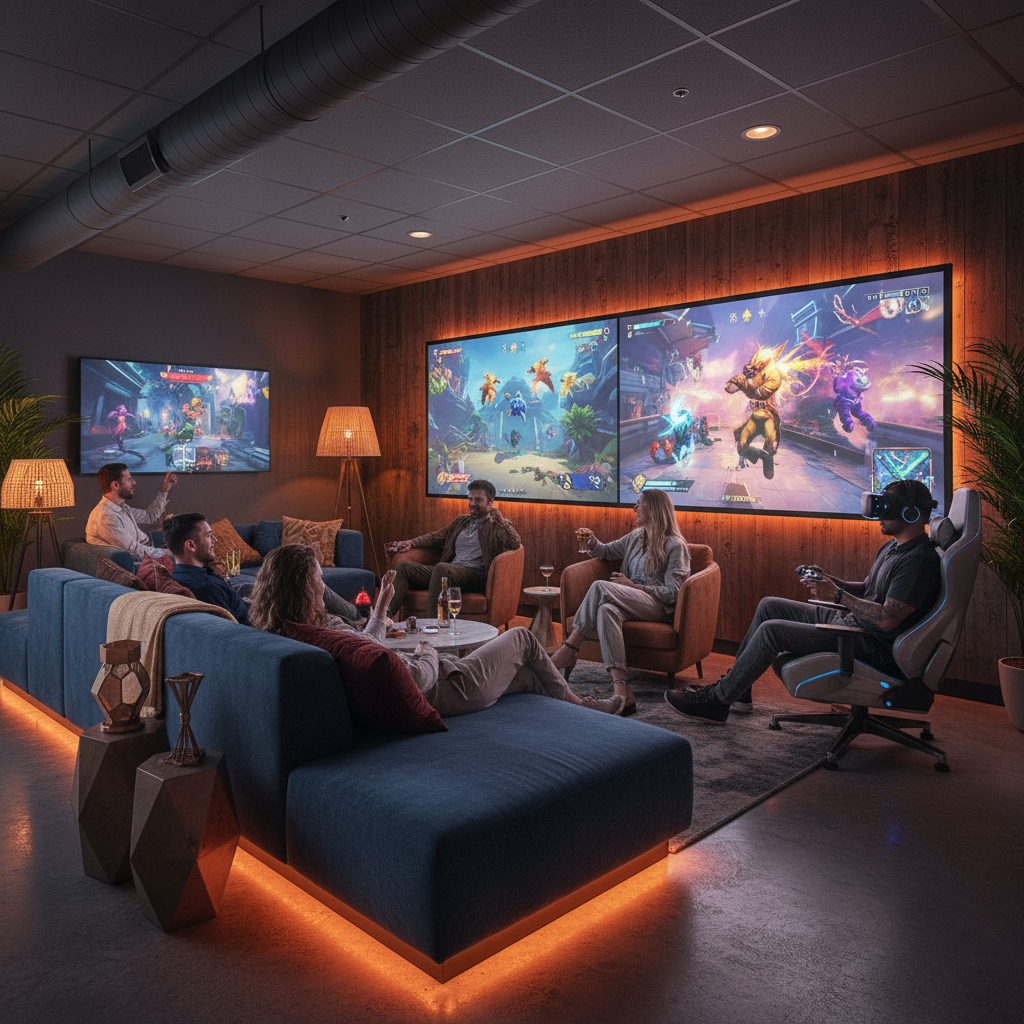
Who VR escape rooms suit: birthdays, teams, schools
VR escape rooms fit birthdays, corporate team building, and school field trips. Short onboarding, 1–6 player teams, and staff-guided pacing make them accessible for mixed ages and skills. The private party room and spectator TVs keep the whole group involved during and between sessions.
Birthday parties and friend groups
- Use the private party room for cake, snacks, and spectating between runs.
- Pick approachable mystery or exploration scenarios for first-time guests.
- Rotate teams so everyone gets a turn while others watch on the TVs.
See our VR birthday party guide for checklists and sample schedules.
Corporate events and team building
- Assign light roles (navigator, communicator, tester) to boost clarity fast.
- Run two back-to-back scenarios; use the lounge to debrief lessons learned.
- Capture wins with photos post‑game (staff can help with timing and angles).
Pair your planning with insights from virtual venue tours to map arrivals, timing, and group flow before the event day.
School groups and educational outings
- Request scenarios with history, science, or art/design themes.
- Prep students on respectful communication and turn‑taking in VR space.
- Use a worksheet for vocabulary (artifact, mechanism, cipher) and post‑visit reflection.
Our school group planning page includes age-friendly tips and sample learning outcomes.
Safety, comfort, and accessibility
Comfort settings, staff support, and smart pacing keep VR approachable. Adjust straps, IPD, and volume; take short breaks as needed. Room-scale boundaries and spectator screens help staff monitor activity, ensuring a safe, inclusive experience for families, students, and workplace teams.
- Comfort-first fit: Proper headset fit and IPD alignment reduce eye strain and boost clarity.
- Room guardians: Virtual boundaries prevent out-of-bounds movement; staff keep watch.
- Breaks and pacing: Quick breathers keep energy high across back‑to‑back sessions.
- Spectator checks: Friends and teammates can flag issues they see on the TVs, helping staff respond quickly.
Previewing a venue virtually helps many coordinators make confident choices. Explore planning benefits from virtual event tour technology before your group arrives.
Case examples from The Next Level
Across birthdays, corporate offsites, and school field trips, success comes from fast onboarding, clear roles, and scenario fit. The Next Level’s 12 scenarios, 22 pods, and staffed lounge create smooth handoffs between teams so large groups stay engaged from check-in to debrief.
Birthday: 12 kids, mixed experience
- Two squads of six rotate through an approachable mystery scenario.
- Parents and siblings watch on TVs in the party room; cake break between runs.
- Role rotation keeps everyone engaged; staff provide two timely hints.
Corporate: 16 colleagues from different departments
- Four teams of four; two scenarios run in parallel, then switch.
- Lounge debrief highlights cross‑team communication wins and lessons.
- Outcome: clearer shared vocabulary and stronger rapport for future projects.
School: 24 students, STEM emphasis
- Teachers align scenario with unit themes; staff tailor onboarding for first‑timers.
- Worksheet prompts tie puzzles to problem‑solving methods and iteration.
- Students reflect on team roles and critical thinking in post‑visit discussion.
In our experience, momentum matters. When each handoff—from check‑in to gear‑up to debrief—stays tight, groups of 20–30 people remain focused and excited the entire visit.
Booking and logistics at The Next Level
Reserve your VR escape room through The Next Level’s online system, choose a scenario for 1–6 players, and arrive a few minutes early. Staff will brief, equip, and guide your group from start to finish. The private party room and spectator TVs make transitions easy for larger groups.
- Use the fast online reservation flow to set your timeslot and group size.
- Share guest names and any accessibility requests with staff in advance.
- Plan 10–15 minutes for onboarding and a short debrief post‑game.
- For multiple teams, schedule staggered starts to keep spectators engaged.
New to our arcade? Get oriented with our VR arcade London Ontario overview and the easy booking walkthrough.
Checklist and quick tips for first-time players
Arrive a few minutes early, dress for light activity, and bring a can‑do attitude. Listen for objective updates, call out discoveries, and don’t hesitate to ask for a hint. In VR, clear talk and frequent status checks beat quiet solo solving every time.
- Wear comfortable clothes and secure hair away from straps.
- Glasses are usually fine; staff can help fit the headset for clarity.
- Keep controllers visible to teammates when demonstrating solutions.
- If a clue seems stuck, try a different order or perspective before asking for help.
- Celebrate small wins; momentum often unlocks the final breakthrough.
Want more ways to speed up your team? Read our beginner tips and scenario‑agnostic clue patterns.
Plan your VR escape room today
Ready to schedule a VR escape room in London, Ontario? Use our fast online booking, pick a scenario that fits your group, and we’ll handle the rest—gear, guidance, and a great lounge for spectators and photos.
Have a birthday, team offsite, or field trip coming up? Start with our London VR arcade guide and complete the easy booking steps. We’ll help you match scenarios to ages, goals, and timelines.
Frequently Asked Questions
Most questions focus on fit, comfort, and planning. VR escape rooms at The Next Level support 1–6 players, offer quick onboarding, and include staff guidance throughout. Read the answers below or explore our knowledge base for more tips and scenario suggestions.
How many people can play a single VR escape room?
Each scenario supports 1–6 players. That range works well for families, friend groups, corporate teams, and student squads. Larger parties can split into multiple teams and rotate through back‑to‑back runs with spectators watching on the lounge TVs.
Is VR comfortable for glasses wearers and first-timers?
Yes. Staff help adjust straps and IPD for clarity. The first minutes include a short tutorial on grabbing, moving, and using tools. Most new players feel comfortable quickly, and breaks are always available between puzzles or scenarios.
What kinds of themes are available?
You can choose from 12 themed scenarios spanning mystery, sci‑fi, ancient ruins, exploration quests, and light action hybrids. Tell staff about your group’s experience level and preferences so we can match a scenario that feels exciting, fair, and collaborative.
Can spectators watch while we play?
Absolutely. Large wall‑mounted TVs in the party lounge show live gameplay so friends, family, or teammates can follow along. Spectators often spot patterns or offer moral support, which helps teams stay calm under the clock.
Key takeaways
Choose a scenario that fits your group, communicate constantly, and lean on staff for smooth pacing. The Next Level’s 12 scenarios, 22 pods, and spectator-friendly lounge make VR escape rooms a reliable, high-energy pick for birthdays, team building, and school trips in London, Ontario.
- VR escape rooms scale to mixed ages and skills with fast onboarding.
- Communication beats solo solving—call out clues and rotate roles.
- Plan with the lounge in mind; spectators keep momentum high.
- Book early for holidays and winter weekends in Old East Village.