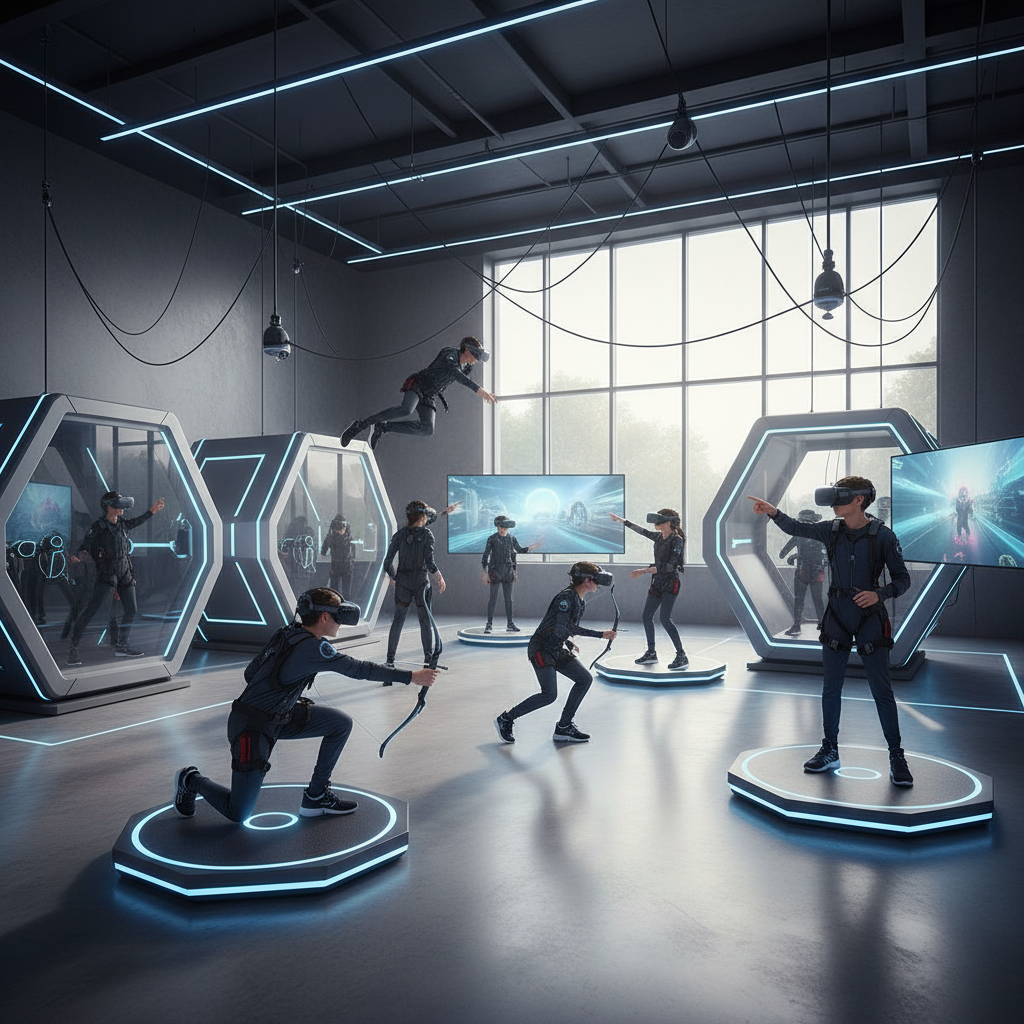
School group VR activities are structured, curriculum-aligned virtual reality experiences designed for classes and youth groups to learn, collaborate, and have fun. In London, Ontario, The Next Level hosts these sessions using room-scale VR, individual gaming pods, and VR escape rooms so educators can blend learning goals with unforgettable field-trip energy.
By The Next Level • Last updated: 2026-04-22
Overview
School group VR activities combine immersive simulations, multiplayer challenges, and guided problem-solving to support learning and team skills. At The Next Level in London, Ontario, educators can run rotations through gaming pods and VR escape rooms, align objectives to class topics, and manage logistics efficiently with staff support and clear, safety-first procedures.
Planning a field trip with 25–60 students gets easier when every station is purposeful, safe, and exciting. This guide explains how to plan, run, and maximize a VR visit at The Next Level—covering hardware, supervision, lesson ties, safety, activity types, and flexible rotations that keep everyone engaged.
- What school group VR activities are and how they work in a real venue
- Why VR boosts engagement, retention, and teamwork for mixed-skill classes
- Activity formats: pods, VR escape rooms, creative labs, and multiplayer
- Scheduling templates, roles for chaperones, and classroom tie-ins
- Accessibility, safety, and student well-being considerations
Local considerations for London
- Plan around peak school seasons. Spring and fall field trips book fast in London, so reserve preferred days early to secure ideal time blocks for rotations.
- Weather buffer helps logistics. For winter and rainy days, VR is fully indoors and reliable; add 10–15 minutes to arrival windows for bus delays.
- Align with regional curricula. Many classes visit on PD days or after unit wrap-ups; bring project rubrics so students connect in-venue activities to class outcomes.
What are school group VR activities?
School group VR activities are educator-supervised virtual reality sessions tailored for classes. Students rotate through room-scale pods, multiplayer stations, and VR escape rooms, completing creative, exploratory, or puzzle-based tasks that reinforce classroom goals while building teamwork, communication, and confidence.
At The Next Level, school groups use the same professional setup guests love—22 individual gaming pods running HTC Vive Pro headsets with motion controllers and room-scale tracking. Educators can choose among action, creative, and educational titles, plus 12 VR escape rooms for 1–6 players. Rotations ensure every student participates at least once per station.
Core elements that define a great school VR session
- Clear objectives: Each rotation has a purpose—explore ecosystems, practice problem-solving, or collaborate under time limits.
- Right-fit content: Titles match age, reading level, and motion comfort. Staff help you pre-select options that suit your class.
- Structured rotations: Stations run on a predictable cadence so groups of 4–6 move smoothly between experiences.
- Safety-first facilitation: Fit checks, sanitization, and briefings reduce friction and keep the focus on learning and fun.
- Shared viewing: Large displays in party spaces let waiting students and chaperones follow the action and coach.
Because the venue is purpose-built for capacity and throughput, classes benefit from reliable timing and fewer idle minutes. That structure keeps energy high and supports objectives like “communicate using evidence” or “apply problem-solving under constraints.”
Why school group VR activities matter for learning and well-being
VR boosts student attention and recall by combining visual immersion with active tasks. In a supervised group setting, it also strengthens communication, empathy, and resilience. The Next Level’s structured rotations help teachers convert novelty into measurable learning outcomes and inclusive teamwork.
Immersion matters because students don’t just watch—they act. In our experience with London classes, participation rises noticeably when learners can manipulate 3D objects, move their bodies, and solve puzzles under time pressure. That active role sparks curiosity and keeps attention on core goals like observation, inference, and evidence-based decisions.
Benefits educators tell us they see
- Higher engagement: Students who are quiet in class often thrive when they can “learn by doing.”
- Better memory cues: Physical movement and spatial problem-solving create hooks students reference later in reflection journals.
- Communication under pressure: VR escape rooms demand clear roles—navigator, clue-tracker, tester—so every student contributes.
- Confidence and inclusion: Rotations give multiple on-ramps. Non-players observe on TVs, provide hints, and step in next round.
- Real-time feedback: Immediate “try again” loops help students test hypotheses and iterate quickly.
Teachers often combine these visits with reflection prompts (What worked? What would you change?) to transition back to the classroom. Those quick debriefs turn excitement into durable learning.
How a school visit to The Next Level works
A typical school visit runs in timed rotations through individual pods, multiplayer zones, and VR escape rooms. Staff handle safety briefings, headset fitting, and sanitization. Educators guide objectives, observe teamwork, and rotate groups every 10–25 minutes to keep energy high and participation balanced.
Here’s the general flow we recommend for classes visiting our London, Ontario venue. Adapt group sizes to your roster and goals; our staff will help stage rotations and select titles that fit ages and comfort levels.
Suggested timeline (half-day model)
- Arrival and orientation (15 minutes): Welcome, safety overview, and comfort settings (IPD, straps, controllers).
- Rotation 1 (20 minutes): Pods—explore, build, or practice skills in a solo or paired experience.
- Rotation 2 (20 minutes): Multiplayer—co-op problem-solving or creative collaboration.
- Rotation 3 (25 minutes): VR escape room—teams of 3–5 test communication and resilience.
- Debrief and reflection (10 minutes): Capture insights, feedback, and classroom links; group photo if desired.
Roles that make everything run smoothly
- Educator lead: Sets learning goals, assigns groups, and frames success criteria for each station.
- Chaperones: Support line-of-sight supervision, encourage turn-taking, and help with quick coaching.
- Venue staff: Fit headsets, handle sanitization, manage software, and troubleshoot.
With 22 pods, a private party room with lounge seating and TVs, and dedicated VR escape rooms, we can scale to large classes while maintaining clear structure and safety.
Types of school group VR activities at The Next Level
Choose from individual gaming pods for skill practice, multiplayer zones for collaboration, creative and educational sandboxes for exploration, and 12 themed VR escape rooms for team problem-solving. Mix formats to match learning goals, student comfort, and the time you have on site.
Individual gaming pods (skill practice and exploration)
- Great for: Focused practice, creative building, and differentiated instruction.
- Why it works: Each 9×9 pod gives learners space to move and try again without team pressure.
- Educator tip: Assign a short checklist: observe, try, teach a peer, then reflect.
Multiplayer VR (cooperative challenges)
- Great for: Communication, delegation, and shared problem-solving.
- Why it works: Live feedback loops force teams to adapt; everyone needs a clear role.
- Educator tip: Rotate roles every round so each student experiences leading and supporting.
Creative and educational experiences (inquiry learning)
- Great for: STEM exploration, art and design, and cross-curricular connections.
- Why it works: Open-ended tools let students hypothesize, build, and test in minutes.
- Educator tip: Pair creative work with a quick gallery walk using the TVs for peer feedback.
VR escape rooms (team problem-solving)
- Great for: Time-bound collaboration, critical thinking, and perseverance.
- Why it works: 12 themed rooms support 1–6 players; puzzles require clear communication.
- Educator tip: Ask students to track “hints requested” and reflect on decision quality, not just speed.
If your group is new to VR, share these VR beginner tips beforehand so first-timers know what to expect and how to communicate while someone else is in-headset.
Best practices for safety, accessibility, and group management
Prioritize clear briefings, correct headset fit, and defined roles. Use short rotations, posted turn order, and gentle comfort settings. Keep a quiet zone for breaks, and encourage observers to coach. These habits protect well-being, maximize participation, and make learning visible.
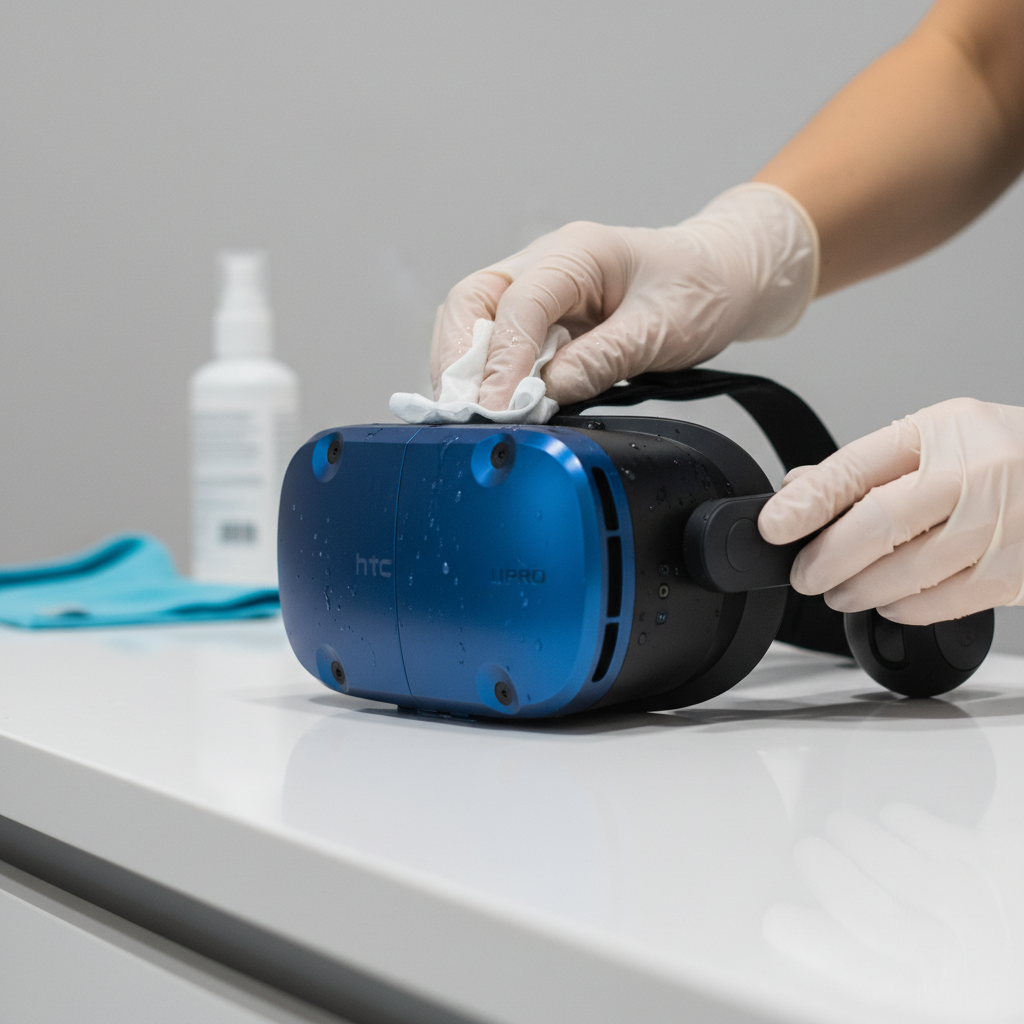
Our team fits every headset, confirms straps, and sanitizes gear between uses. We recommend educators post group lists and roles at the start so students know where they’re heading next and how they’re contributing.
Safety and comfort essentials
- Fit checks: Adjust straps and interpupillary distance; confirm students can see clearly.
- Sanitization: Wipe face interfaces and controllers between users; use disposable covers on request.
- Comfort settings: Start with gentle locomotion, avoid abrupt motion for sensitive students.
- Break space: Provide a quiet seating area where students can reset between turns.
Group flow and inclusion
- Short rotations: 10–20 minutes works well to keep wait times low and energy high.
- Visible order: Post turn lists so students can anticipate and prepare.
- Observer roles: Non-players track clues, time, or strategies on whiteboards or handouts.
- Coaching culture: Allow peer hints and check-ins; celebrate process improvements, not only wins.
These practices help every student participate, including those who prefer to support, narrate, or analyze rather than drive the controllers.
Tools and resources for educators and chaperones
Prepare simple checklists, role cards, and reflection prompts. Share beginner tips before arrival, and bring a rubric that maps in-venue tasks to classroom outcomes. Use a rotation schedule on a single page so staff and chaperones can keep the day running on-time.
Prep kit you can reuse
- One-page rotation map: Stations, timing, and group assignments.
- Role cards: Navigator, communicator, builder, tester—swap each round.
- Observation sheet: Students jot strategies, clue patterns, and “what changed.”
- Reflection prompts: “What did your team try first?” “What surprised you?” “What will you change next time?”
For students new to immersive tech, our beginner guide for first-timers outlines basic etiquette, comfort settings, and how to communicate with a teammate who’s in-headset.
Compare activity formats at a glance
Pods emphasize individual skill practice, multiplayer zones build communication, creative sandboxes support inquiry learning, and VR escape rooms stress teamwork under time limits. Mix two or more formats to balance engagement, accessibility, and learning objectives for your class.
| Format | Team Size | Focus | Best For | Teacher Tip |
|---|---|---|---|---|
| Individual Pods | 1–2 | Skill practice, exploration | New-to-VR, differentiated tasks | Assign micro-goals and a peer-teach step |
| Multiplayer | 2–4 | Communication, coordination | Team-building, SEL | Rotate roles each round |
| Creative/Educational | 1–3 | Inquiry, design thinking | STEM, arts, cross-curricular | Do a quick gallery walk |
| VR Escape Rooms | 3–5 | Puzzle-solving under time | Leadership, perseverance | Debrief “what changed the outcome” |
When you’re ready to emphasize communication and puzzle flow, skim our multiplayer teamwork tips so students arrive primed to collaborate.
Mini case studies: how London classes use VR
Three quick examples show different goals: a middle school STEM rotation that stresses inquiry, a high school humanities visit focused on analysis and empathy, and a student leadership team that used VR escape rooms to practice communication under time pressure.
Middle school STEM: inquiry and iteration
- Goal: Connect classroom physics to motion and observation.
- Mix: Pods for individual experiments, multiplayer for testing variables, escape room for applied problem-solving.
- Outcome: Students used reflection sheets to note “first attempt vs. refined approach,” then presented quick posters back at school.
High school humanities: perspective and analysis
- Goal: Strengthen observation, inference, and narrative framing.
- Mix: Creative/educational titles for open-ended exploration plus a VR escape room to practice concise communication.
- Outcome: Teams produced short debrief videos summarizing evidence and decisions with timestamps.
Leadership and SEL: communication under pressure
- Goal: Practice concise instructions, active listening, and role clarity.
- Mix: Multiplayer rounds with rotating roles followed by an escape room to test skills.
- Outcome: Teams tracked “hints requested” and reflected on how early role clarity reduced rework.
One throughline across these visits: the clearest learning happened when teachers framed success criteria before arrival and led brief, consistent debriefs after each rotation.
Using VR escape rooms to teach clueing and strategy
VR escape rooms reward teams that assign roles, document clues, and test ideas fast. Have one student note patterns, another manage time, and a third validate solutions. Debrief what clues mattered most and how the team’s process improved from start to finish.
We often hear that escape rooms feel like “applied collaboration.” Students must articulate hypotheses, gather inputs, and iterate under a clock. If you explore strategy deeper, connect your visit to broader discussions about VR escape room clues and how pattern recognition, evidence tracking, and calm communication reduce false starts.
Planning and booking steps for educators
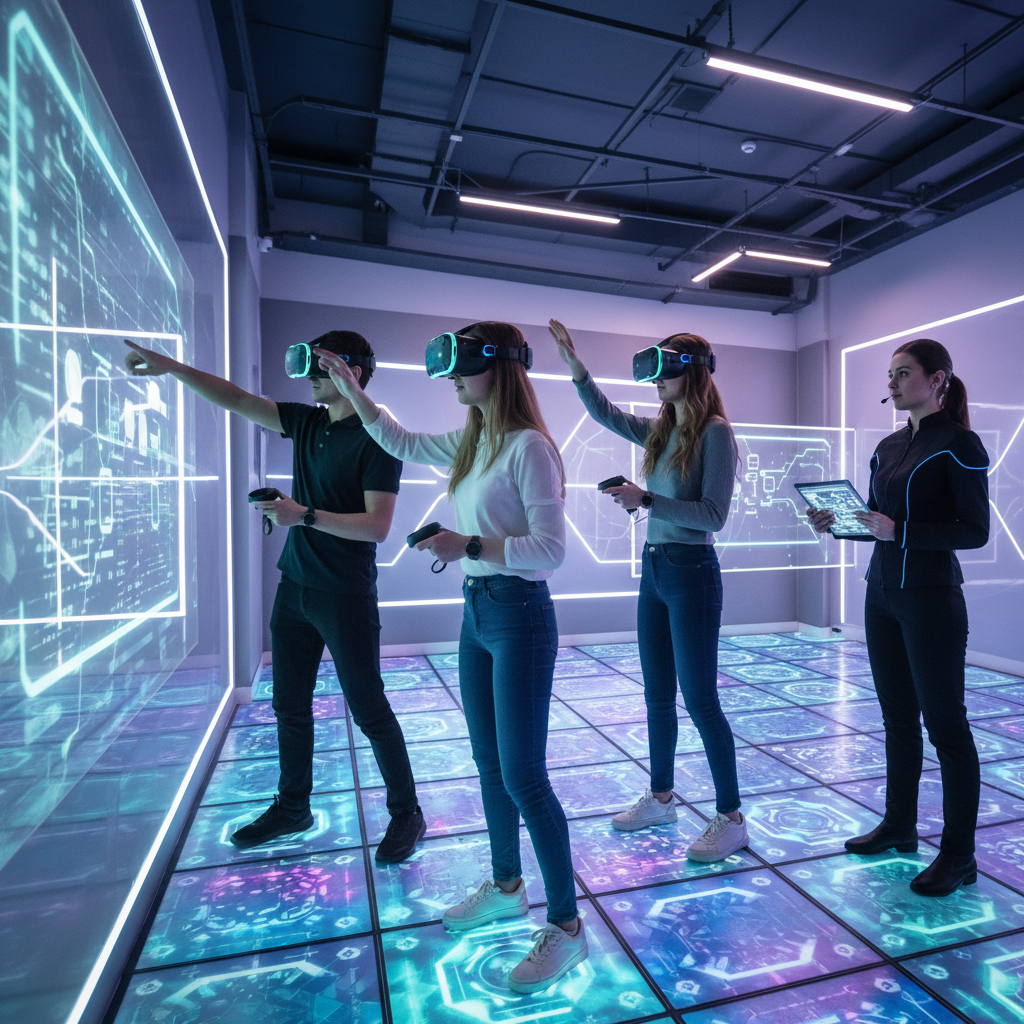
Set your objectives, choose two or three activity formats, and draft a rotation plan. Share student needs with our team, confirm supervision ratios, and circulate beginner tips. On the day, arrive 10–15 minutes early so we can brief, fit, and launch the first rotation on time.
- Define goals: Team-building, content review, or inquiry learning.
- Select formats: Pods + multiplayer, or pods + escape rooms, etc.
- Draft rotations: Time each station and map the order on one page.
- Share needs: Note accessibility or comfort preferences in advance.
- Pre-brief class: Review etiquette and what a VR arcade visit looks like.
- Day-of launch: Arrive early for fitting and safety briefing; post role cards and turn order.
- Reflect: Use debrief questions and quick write-ups to lock in learning.
Thinking about a date? Our team supports school group VR activities on weekdays with structured rotations and staff facilitation. Tell us your objectives and class size, and we’ll help you build a smooth plan.
Frequently Asked Questions
Educators ask about supervision, motion comfort, and how to align activities to lessons. In short: bring chaperones, start with gentle movement settings, use role cards and reflection prompts, and mix pods with escape rooms so every student can contribute meaningfully.
How many students can participate at once?
With 22 pods and dedicated VR escape rooms, we can run multiple stations in parallel. Most classes use staggered rotations so every student participates within short, predictable windows and remains active as an observer or coach between turns.
What if some students are new to VR or nervous?
We begin with a clear briefing, gentle comfort settings, and a quick win in a calm environment. Students can start as observers, then step in for shorter turns. Role cards help everyone contribute, even if they’re not in-headset right away.
Can we align the visit to a specific unit?
Yes. Share unit objectives and any rubrics in advance. We’ll recommend titles and rotation formats—pods, multiplayer, creative, and escape rooms—that reinforce your outcomes, whether that’s observation skills, problem-solving, or communication under time pressure.
How do you handle hygiene and safety?
Staff fit each headset, sanitize touchpoints between uses, and monitor comfort. We encourage frequent breaks, post turn orders, and keep a quiet zone for reset. Educators and chaperones maintain line-of-sight supervision throughout.
Key takeaways and next steps
The best school group VR activities balance excitement with structure. Pick two or three formats, define roles, and keep rotations short. Use debriefs to turn fun into learning. Share your goals with our team, and we’ll help you build a schedule that works for your class.
- VR shines when tasks are clear and rotations are tight.
- Mix pods, multiplayer, creative tools, and escape rooms for balanced engagement.
- Role cards, turn lists, and quick debriefs make learning visible and inclusive.
- Hygiene, fit, and comfort settings keep students focused and confident.
If you’re planning school group VR activities in London, Ontario, bring your learning goals and a class roster. We’ll help you map a smooth schedule and set your students up for a memorable, educational visit.