
A VR escape room is an immersive, team-based puzzle adventure you play inside a virtual world using headsets and motion controllers. At The Next Level inside The Factory at 100 Kellogg Lane in London, Ontario, you can choose from 12 themed challenges built for 1–6 players. It’s fast to learn, thrilling to master, and ideal for parties or team outings.
By The Next Level • Last updated: May 30, 2026
Start here: your VR escape room game plan
Plan your VR escape room in three moves: pick your team (1–6 players), choose a theme from The Next Level’s 12 rooms, and book your time. Show up 10 minutes early, get a quick briefing, and dive into immersive puzzles using HTC Vive Pro headsets and motion controllers.
Use this quick overview to scan what matters most and jump to the sections you need. We highlight what VR escape rooms are, how they work, and how to get the most fun out of your session—whether it’s family night, a birthday, a school trip, or team building.
- What is a VR escape room?
- Why VR escape rooms matter for groups
- How VR escape rooms work (step-by-step)
- Types, genres, and difficulty
- Best practices and puzzle tips
- Tools and helpful resources
- Local guide: Old East Village & Middlesex County
- Real examples from The Next Level
- Frequently asked questions
- Key takeaways & next steps
Overview
VR escape rooms combine real teamwork with virtual worlds, letting 1–6 players solve themed challenges using headsets and hand controllers. The Next Level offers 12 rooms, 22 gaming pods, and over 4,000 square feet of space, creating a smooth flow for groups, birthdays, school trips, and corporate events.
Here’s the big picture in one place so you can make quick decisions and book with confidence. It covers what you’ll experience at The Next Level’s virtual reality arcade inside The Factory London and how to tailor play to your group size and goals.
- Capacity that fits: 22 gaming pods support steady throughput and flexible scheduling.
- Group-ready design: Private party room with lounge seating and large TVs for spectators.
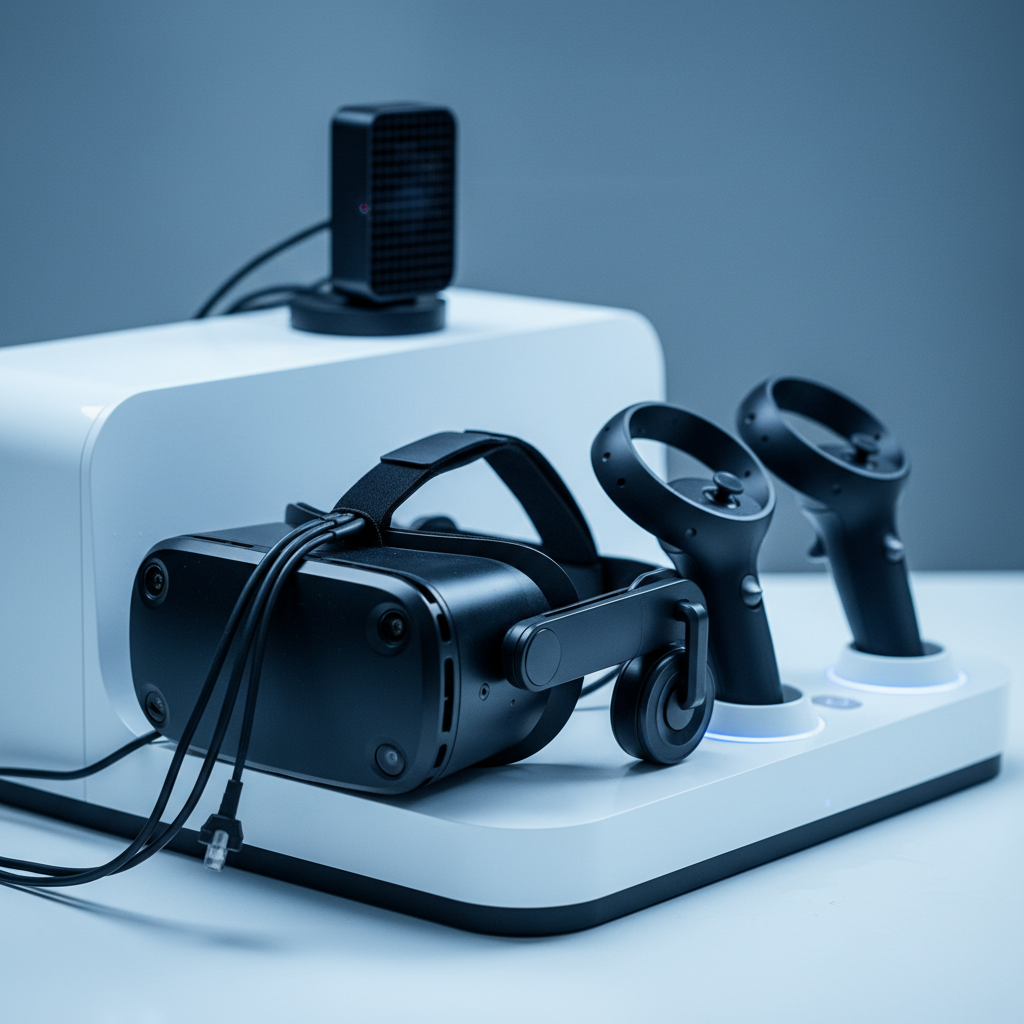
- Hardware: 24–25 HTC Vive Pro headsets with room-scale tracking and precise motion controllers.
- Content variety: A continuously updated game library across action, creative, educational, and multiplayer titles.
- Escape formats: 12 VR escape rooms designed for 1–6 players with clear onboarding and fast resets between games.
What is a VR escape room?
A VR escape room is a timed, story-driven puzzle experience played in virtual reality. Your team explores a digital environment, communicates, and solves challenges using tracked hand controllers. The Next Level runs 12 themed rooms for 1–6 players, guided by staff who keep play smooth and welcoming for all ages.
Think of it as a classic escape room, but your “room” is a gorgeous 3D world. You can shrink, fly, teleport, or manipulate objects with natural gestures. Every move is tracked through room-scale VR, which maps your real motions to the game so you feel fully there.
- Team size: Most scenarios run best with 2–6 players; solo-friendly options are available.
- Run time: Sessions are designed around tightly paced, 45–60 minute gameplay windows.
- Assistance: On-floor staff monitor progress and provide gentle nudges when teams stall.
- Replayability: With 12 rooms, you can rotate themes and increase difficulty over return visits.
Self-contained answer: A VR escape room blends teamwork, problem-solving, and cinematic worlds. You wear a headset, see your teammates as avatars, and coordinate on layered puzzles. At The Next Level, that happens inside a spacious, 4,000+ sq ft arcade with 22 pods and HTC Vive Pro room-scale tracking, ensuring smooth movement and precise interactions.
Why VR escape rooms matter for groups
VR escape rooms align mixed skill levels, promote clear communication, and deliver instant wins for teams. The Next Level’s 12 rooms, party lounge, and spectator TVs make it easy to involve everyone—ideal for birthdays, corporate team building, school trips, and family nights.
Groups need activities that work for different ages and abilities. VR solves this with intuitive gestures and guided tutorials, letting beginners contribute from minute one. The Next Level’s hosting model accommodates families, classrooms, and companies, with smooth rotations through 22 pods so no one sits idle.
- Birthdays: Celebrate in the private party room while up to 6 friends tackle the same mission together.
- Corporate teams: Use cooperative problem-solving to practice roles under time pressure—without high stakes.
- School groups: Turn STEM, history, or art units into experiential learning in curated educational titles.
- Family nights: Mix gamers and first-timers; staff adjust difficulty and provide timely hints.
For broader planning inspiration, see how virtual technologies streamline event decisions through virtual event tour tech. The principle is the same: preview experiences, align expectations, and make faster choices for your group.
How VR escape rooms work (step-by-step)
You book a time, arrive 10 minutes early, get a headset and briefing, then enter your chosen mission. With HTC Vive Pro room-scale tracking, your hand motions control objects and tools. Staff watch progress, provide hints, and swap teams efficiently across 22 pods for seamless sessions.
- Reserve your slot: Pick a mission that fits 1–6 players and set your date and time.
- Arrive, check in, and sanitize: Gear is cleaned, pre-tested, and adjusted to your fit.
- Briefing: Learn core gestures—grab, point, teleport—and review mission goals and any safety notes.
- Calibration: Headset IPD and straps are tuned; room-scale boundaries and guardians are confirmed.
- Play: Communicate constantly, manage inventory, and divide puzzles by strengths.
- Hints: Call for a nudge when you’re stuck; a small clue often unlocks the next chain.
- Debrief + rotate: Celebrate the escape, share highlights on the TVs, and get tips for your next theme.
Self-contained answer: The Next Level’s VR escape rooms run on room-scale tracking, motion controllers, and staff facilitation. You’ll complete a short tutorial, then progress through environmental, logic, and coordination puzzles. Communication is your power-up; well-timed hints keep momentum high so groups finish on a win.
Types, genres, and difficulty
Expect puzzle chains across genres—mystery, sci‑fi, adventure, history, even creative challenges. The Next Level curates 12 rooms and a massive game library, so you can match themes to your group’s style and scale difficulty from beginner to veteran puzzlers.
Common puzzle types you’ll encounter
- Environmental logic: Align symbols and objects found across rooms; everyone scouts, someone assembles.
- Sequence puzzles: Trigger switches, dials, and panels in the right order; timing matters.
- Co-op coordination: Two or more players must act together—pull levers, mirror patterns, or sync jumps.
- Spatial reasoning: Build bridges, rotate structures, or move platforms to reach objectives.
- Search & decode: Hidden clues, ciphers, and fragments reward sharp eyes and note-taking.
Matching difficulty to your team
- Beginner-friendly: Choose rooms with frequent prompts and linear paths; perfect for first-timers and kids.
- Intermediate: Mix linear and branching objectives; groups learn to divide and conquer.
- Advanced: Layered puzzles with limited hints and tighter timers; ideal for competitive groups.
Self-contained answer: The right VR escape room balances novelty and clarity. At The Next Level, staff help you pick a theme that fits your group size (1–6), experience level, and interests—from sci‑fi expeditions to historical capers—so your team hits flow quickly and finishes strong.
Best practices and puzzle tips
Win more often by talking nonstop, assigning quick roles, and logging clues. At The Next Level, we’ve seen 1–6 player teams clear tough rooms faster when they keep a rotating “clue captain,” call out finds, and request a timed hint before momentum drops.
Team habits that raise your success rate
- Voice everything: Say what you see and what you try—this prevents duplicate work and sparks ideas.
- Assign roles: Scout, decoder, tester, and timekeeper are simple roles that create rhythm.
- One inventory brain: Keep track of virtual items and where they might fit.
- Pre-hint rule: If you’re stuck for two minutes, ask for a nudge to regain momentum.
- Celebrate micro-wins: Positive energy keeps the group engaged under the clock.
Navigation and comfort in room-scale VR
- Short, frequent teleports: Small moves reduce disorientation and keep sightlines clear.
- Stay within boundaries: Trust the guardian grid; it’s mapped to over 4,000 sq ft of safe play area.
- Controller posture: Hands low and relaxed help prevent unintentional grabs or drops.
Self-contained answer: Good comms beat raw skill. Rotate simple roles, keep a shared clue log, and use hints proactively. The Next Level’s staff, 22 pods, and spectator displays create a supportive environment where groups build confidence quickly and finish with a win screen—and memories.
Tools and helpful resources
Use The Next Level’s curated guidance to prep fast: browse our VR arcade overview, review puzzle‑solving tips, and scan a strategy primer for tougher rooms. These bite‑size resources help families, schools, and teams arrive informed and ready to play.
Plan smarter with a few minutes of reading before you arrive. These internal guides cover the essentials—from selecting the right theme to managing the timer as a team. You’ll enter the pod with a game plan instead of guesswork.
- Understand the experience flow in our virtual reality experience guide.
- Pick the right venue format using our Factory London attractions guide.
- Scan our VR arcade London Ontario overview for quick booking context.
- Level up with strategy tips for advanced rooms.
- Share these puzzle‑solving tips with your group before game day.
For planners who like tech-forward previews, virtual tours can help align decisions fast; see practical takeaways from virtual venue tour benefits commonly used in events.
Local guide: Old East Village & Middlesex County
In Old East Village, Middlesex County, The Next Level sits inside The Factory at 100 Kellogg Lane. It’s easy to stack a VR escape room with nearby attractions and food stops, keeping groups engaged from arrival to debrief—especially helpful for birthdays, school trips, and corporate outings.
Turn game day into a mini itinerary. With 12 VR escape rooms and a private party lounge, groups can alternate play and spectating on big TVs. That flexibility, combined with nearby Old East Village options, creates a simple, high-energy schedule without long transfers.
Local considerations for Old East Village
- Combine your session with a stop at the London Children’s Museum for younger groups transitioning from play to hands-on learning.
- Evenings and weekends fill fast in peak seasons; build in a buffer for parking and team arrival.
- For corporate teams, schedule a brief on-site debrief in the party lounge to lock in takeaways before moving on.
VR vs. physical escape rooms: a quick comparison
VR escape rooms offer cinematic worlds, fast resets, and flexible difficulty without physical build limits. Traditional rooms provide tactile props and set design. The Next Level’s 12 VR missions let you fly, teleport, and scale puzzles beyond real-world constraints while keeping teamwork front and center.
| Feature | VR Escape Room (The Next Level) | Traditional Escape Room |
|---|---|---|
| World scale | Unlimited—teleport, fly, multi-room worlds | Fixed rooms and props |
| Reset time | Fast digital reset between teams | Manual cleanup/reset required |
| Group size | 1–6 per mission; easy rotations with 22 pods | Typically fixed room capacity |
| Accessibility | Comfort options and staff guidance | Varies by build and layout |
| Replay variety | 12 themed missions and a huge library | Limited by physical set inventory |
| Spectator experience | Big TVs in the party lounge | Window viewing if available |
Self-contained answer: If you love escape rooms, VR expands what’s possible without losing the teamwork you enjoy. The Next Level’s room-scale tracking and motion controllers keep actions natural while worlds grow in scope, variety, and challenge.
Real examples from The Next Level
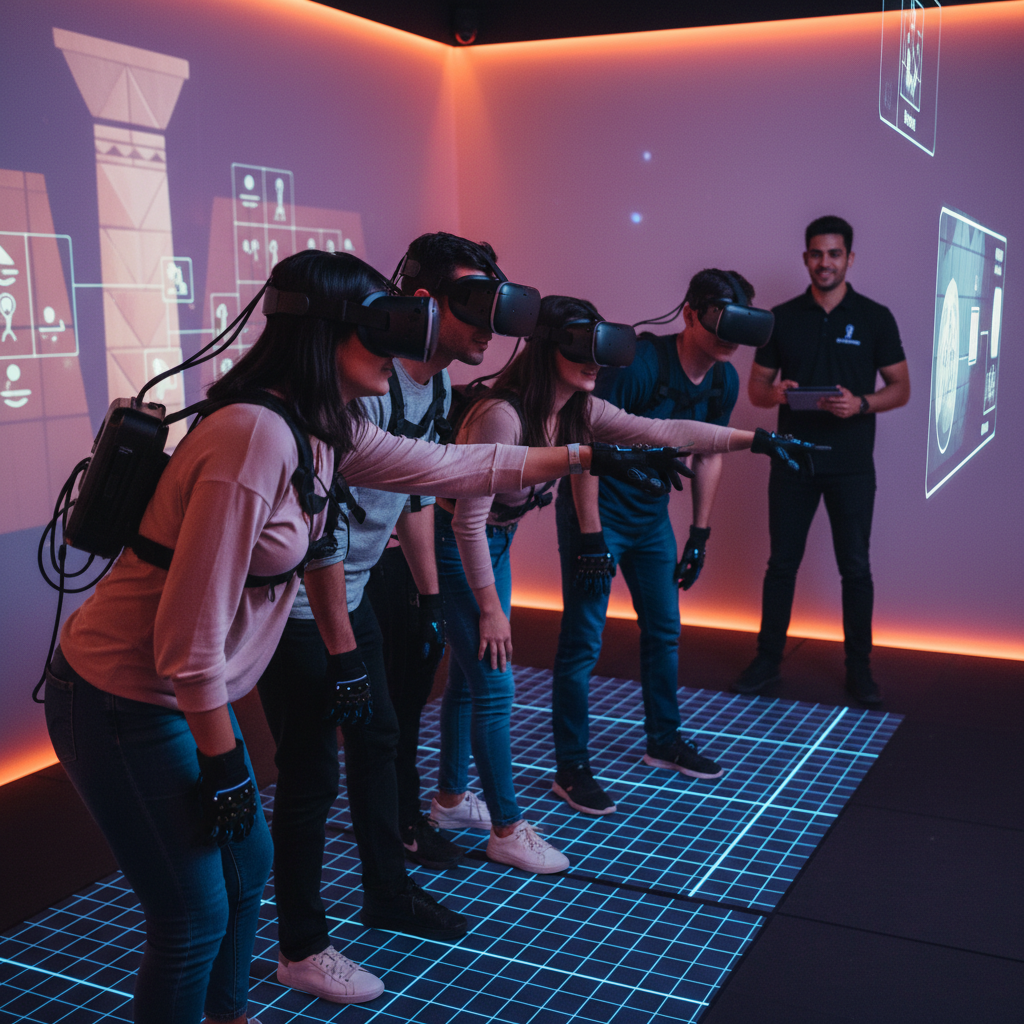
Across birthdays, school trips, and team off-sites, we’ve seen groups of 1–6 players beat missions by leaning on roles and steady communication. The Next Level’s 12 rooms, 22 pods, and private lounge streamline rotations so everyone participates and spectators stay engaged on large TVs.
Birthday party snapshot
- Who: Mixed group of 10–12 year olds plus siblings and parents.
- Setup: Two 1–6 player missions back-to-back; party room used for cake and spectating between runs.
- Outcome: Kids swapped roles (scout/decoder/tester) and discovered co-op switches quickly. Everyone touched a part of the solution.
Corporate team huddle
- Who: 8-person product squad split into two missions, rotating into pods.
- Setup: Pre-brief on roles and communication; managers watched on the lounge TVs.
- Outcome: Debrief highlighted cueing, concise callouts, and timely hints as the productivity unlocks.
School group rotation
- Who: 24 students and three chaperones.
- Setup: Four teams cycled through missions; others observed on displays and discussed strategies.
- Outcome: Teachers noted improved collaboration and problem framing in follow-up class activities.
Self-contained answer: Whether it’s a birthday or a corporate off-site, the consistent pattern is clear—small teams, clear roles, and a quick hint cadence produce wins. The venue’s scale—22 pods across 4,000+ sq ft—keeps energy high and logistics simple for organizers.
Booking, preparation, and on-the-day checklist
Book your VR escape room by choosing a theme, confirming a 1–6 player team, and securing a time. Arrive early, hydrate, and wear comfortable shoes. The Next Level’s staff will calibrate your headset, review safety, and get you solving puzzles within minutes.
- Choose your mission: Aim for beginner/intermediate for mixed groups; save advanced for veterans.
- Confirm headcount: Plan for 1–6 per room and decide rotation order if your party is larger.
- Lock your time: Coordinate arrival and debrief time with your group.
- Gear-friendly clothing: Avoid bulky hats; tie back long hair; wear closed-toe shoes.
- Warm-up: Practice pointing, grabbing, and teleporting during the tutorial.
- Communication: Agree on quick roles and a “two-minute hint” rule before the timer starts.
Prefer a deeper dive before you book? Read our in-depth escape rooms guide and the quick London-specific overview for local logistics.
Plan your night at The Next Level
Bring 1–6 friends, pick from 12 missions, and make it a full evening with spectating in the private lounge. The Next Level’s 22 pods and massive library make scheduling flexible—ideal for families, schools, and corporate teams ready to play and bond.
Ready to put your plan into action? Browse available times, find a mission style your group will love, and reserve your gaming pod. If you’re new to virtual reality, start with our experience overview so everyone arrives confident.
For general venue information, you can always check the FAQ page and the main site for hours and updates.
FAQ: VR escape rooms at The Next Level
Most questions boil down to team size, play flow, comfort, and how hints work. At The Next Level, missions are tuned for 1–6 players, with brief tutorials, room‑scale boundaries, and staff support. You’ll communicate constantly, solve layered puzzles, and finish with a short team debrief.
How many people can play a VR escape room together?
Most missions are designed for 1–6 players. That size keeps communication crisp and puzzle roles clear. Larger groups can split into multiple teams and rotate between the 22 pods, using the party lounge TVs to spectate while they wait.
What if someone in our group has never tried VR?
No problem. Staff provide a quick tutorial and keep an eye on comfort. Beginner‑friendly rooms feature clear prompts and linear puzzle paths. New players usually contribute right away by scouting, reading clues aloud, or testing switches and patterns.
How do hints work if we get stuck?
If your team stalls, ask for a hint. A small, timely nudge prevents frustration and keeps momentum high. At The Next Level, staff monitor progress and can offer contextual clues that point you to the next logical step without spoiling the challenge.
Are VR escape rooms good for corporate team building?
Yes. VR missions require communication, role clarity, and time management—core collaboration skills. The private party lounge and displays make it easy to debrief lessons learned. Many teams rotate through multiple missions to compare strategies and celebrate wins together.
Key takeaways and next steps
Choose a mission that fits 1–6 players, set clear roles, and ask for timely hints. The Next Level’s 12 rooms, 22 pods, and party lounge make planning simple. Pick your theme, book your time, and turn game night into a shared win.
- Fit to team size: 1–6 players per mission keeps comms tight and puzzles flowing.
- Prepare lightly: Read a tips guide, wear comfortable shoes, and arrive early.
- Lean on staff: Calibration, comfort settings, and hints keep everyone engaged.
- Make it social: Use the party lounge and TVs so spectators join the fun.
Next step: decide on your first mission and secure a time. If you’re weighing different formats in the area, skim our Factory attractions overview for a side‑by‑side feel of what’s nearby.