
VR horror games are immersive, first-person scare experiences built for virtual reality headsets. They use room-scale tracking, spatial audio, and motion controllers to put you inside the nightmare. At The Next Level inside The Factory (100 Kellogg Lane, London), you can try these thrills in managed gaming pods and 12 VR escape rooms—no gear required.
By The Next Level Team · Last updated: 2026-05-12
Overview
This complete guide explains what VR horror games are, why they feel scarier than flat-screen titles, how the tech works, and where to play in London, Ontario. You’ll find subgenres, a curated 2026 list, a home-vs-arcade comparison table, and a buying guide tailored to The Next Level’s pods and VR escape rooms.
If you’re new to virtual reality or returning for a fresh scare, this page gives you a clear path. Expect practical tips, example scenarios, and local advice anchored to Old East Village and Middlesex County so you can plan a smooth, unforgettable visit.
- What VR horror is and how it works in room-scale play
- Subgenres: survival, psychological, co-op ghost hunting, and more
- Top 12 scary picks to try in 2026 (availability varies)
- Home vs. arcade comparison for horror fans
- Buying guide for families, teams, and first-timers
- Local tips for visiting The Next Level at 100 Kellogg Lane
Want a primer before you arrive? Skim our VR arcade overview for London, or explore our VR escape rooms in London for 1–6 players.
What are VR horror games?
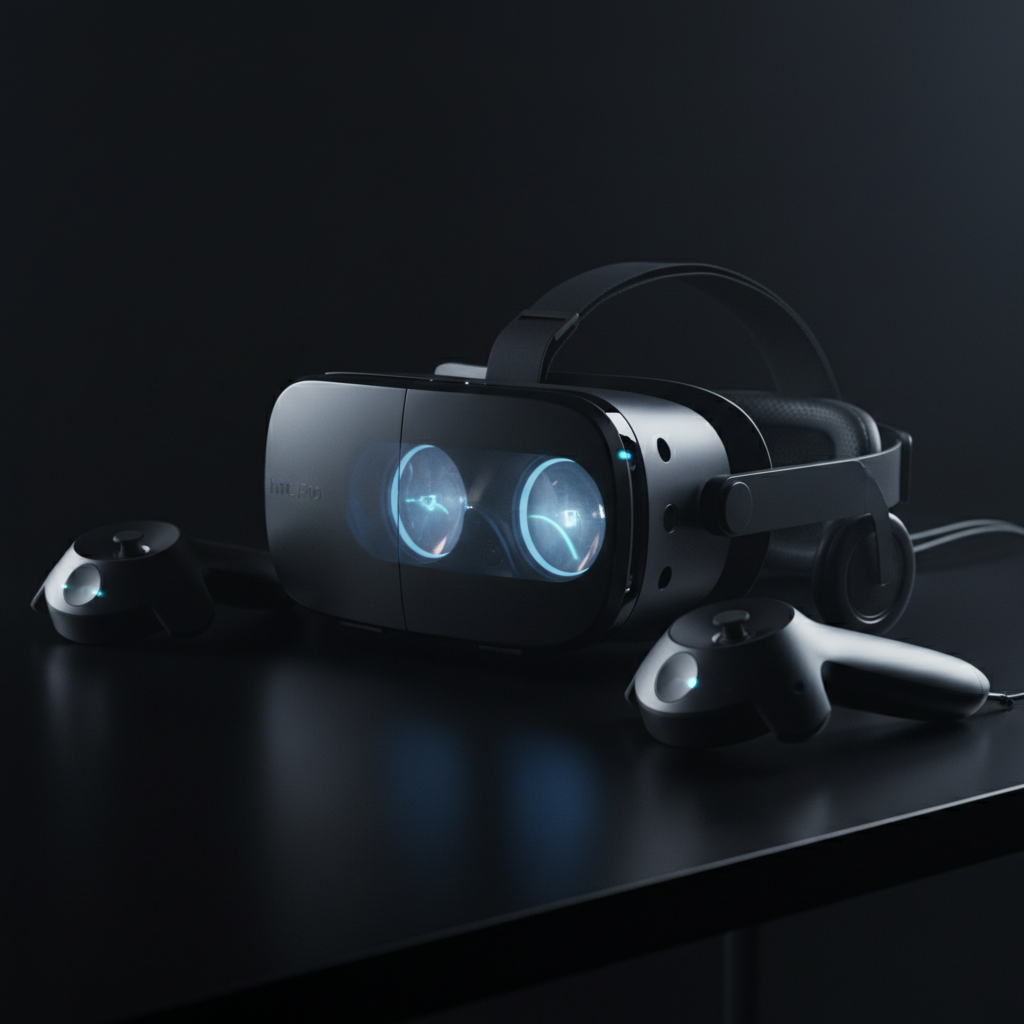
VR horror games are interactive scare experiences designed for head-mounted displays and motion controllers. Players stand or move in a tracked space, interact with objects, and hear positional audio that drives suspense. The result is a heightened presence where dread, jump scares, and tension feel physically close—and often unforgettable.
At The Next Level, you’ll step into 9×9 personal gaming pods that match room-scale VR. With 22 pods across more than 4,000 square feet, groups can play at once while our team helps with setup and comfort settings. The venue also features 12 VR escape rooms for 1–6 players, blending puzzle-solving with cinematic scares.
- Headset immersion: HTC Vive Pro class optics and tracking let you look, crouch, and lean naturally.
- True hand presence: Motion controllers mirror your hands for opening doors, grabbing keys, or holding flashlights.
- Spatial audio: Footsteps behind you or whispers at your shoulder steer attention and raise tension.
- Group-ready capacity: With 22 pods, families, school groups, and corporate teams can share the scare together.
New to all this? Our team will recommend titles by age range and fear tolerance, then tailor comfort options so everyone enjoys the thrill safely.
Why VR horror feels scarier—and why that matters
VR removes the safety of the couch by surrounding your senses with a world that reacts to you. Presence, embodiment, and spatial audio make tiny sounds meaningful, so even simple footsteps can spike tension. This intensity is why short sessions, clear comfort settings, and supportive staff matter.
Here’s the thing: proximity changes everything. When a door creaks two feet to your right or something brushes “past” your shoulder, your body responds as if it’s real. That is presence. In our experience hosting thousands of sessions each year, short breaks, hydration, and step-by-step onboarding keep first-timers smiling instead of tapping out.
- Embodiment: Your hands, head, and posture affect in-game outcomes, amplifying agency—and fear.
- Audio cues: Directional sounds quickly teach players to scan corners and check ceilings.
- Social intensity: In pairs or teams, nervous laughter turns to teamwork as puzzles and scares land.
- Right-sizing sessions: 30–60-minute windows with short breathers help sustain fun over fatigue.
Want a lower-intensity start? Choose puzzle-led rooms or slower-paced ghost investigations, then ramp to survival modes once your comfort grows.
How VR horror works: tech, tracking, and staff support
VR horror at The Next Level runs on room-scale tracking, motion controllers, and curated titles. You play inside a 9×9 pod with a high-end headset, while staff fine-tune boundaries, adjust comfort settings, and offer quick coaching so you focus on thrills, not tech.
Our setup centers on precise 3D tracking and intuitive controls. The hardware recognizes where you stand, how you turn, and what you reach for—exactly what horror experiences need for door handles, flashlights, and stealth. Staff members guide headset fitting, lenses, and wrist straps, then suggest difficulty and locomotion that match your group.
- Room-scale tracking: Move naturally within your pod; boundary systems protect you from real-world obstacles.
- Motion controllers: Pick up keys, aim tools, push switches—hands-on actions sell the scare.
- Curated library: A continuously updated catalog keeps content fresh for repeat visits.
- On-floor support: Team members help with fittings, quick resets, and live tips during puzzles.
For a deeper look at headset capabilities similar to what we deploy, explore our feature breakdown of high-end VR optics and tracking in this Vive Pro features overview. If you’re brand-new, you might also like these VR arcade beginner tips and a peek at how gaming pods are set up.
Types of VR horror experiences (and who they fit)
VR horror spans survival, psychological, puzzle, and co-op ghost hunting—plus horror-tinted shooters and stealth. Choose by scare level and playstyle. Puzzle-first rooms suit families; co-op investigations fit groups; survival modes and jump-scare rides satisfy thrill seekers.
We tailor suggestions by group makeup and comfort range. With 12 VR escape rooms designed for 1–6 players, you can lean into mystery and teamwork. For solo or duo play inside our 22 pods, we’ll match you to titles that emphasize exploration, stealth, or action-heavy set pieces.
- Survival horror: Limited tools, tense resource management, and AI threats that learn to track you.
- Psychological horror: Unreliable spaces, environmental storytelling, and dread over jump scares.
- Co-op ghost hunting: Team up with voice chat, evidence tools, and coordinated sweeps through haunted sites.
- Horror escape rooms: Puzzle-forward play with time pressure, secret switches, and shared “aha!” moments.
- Horror shooters: Waves of enemies, barricades, and high-intensity sequences—great for adrenaline fans.
- Stealth horror: Stay quiet, stay hidden, and read patrols to slip through impossible spaces.
Unsure where to begin? Start with a puzzle-first room if you’re new, then try a co-op investigation to practice reading audio cues together.
The 12 scariest VR horror games to try in 2026
Looking for a starting list? These twelve VR horror picks cover co-op hunts, puzzle-first adventures, and high-intensity survival. Availability at arcades varies—ask our staff for the current lineup. We’ll match fear level, age range, and playtime so your group leaves thrilled, not rattled.
We keep a massive, frequently updated library and rotate options to suit different ages and comfort levels. If a title below isn’t currently on deck, we’ll recommend a close equivalent with the same feel. Bring friends—many horror experiences shine in pairs or squads.
- Phasmophobia (VR mode): Co-op ghost investigation with evidence tools and voice proximity. Tension builds every minute.
- Five Nights at Freddy’s VR: Help Wanted: Iconic animatronic jump scares, short scenarios, and instant screams.
- The Walking Dead: Saints & Sinners: Survival horror with scavenging, stealth, and moral choices.
- Into the Radius: Stalker-like exploration, eerie anomalies, and methodical survival loops.
- Wraith: The Oblivion – Afterlife: Slow-burn psychological horror with stealth and haunting set pieces.
- Propagation VR: Stationary but intense wave defense with claustrophobic design.
- Resident Evil 4 VR (Arcade-compatible variants): A classic reimagined for VR with action-horror pacing.
- The Exorcist: Legion VR: Episodic investigations with strong audio design and ritual mechanics.
- AFFECTED: The Manor: Short, replayable haunted house runs—great for party rotations.
- Layers of Fear (VR adaptation): Psychological, art-house tension with shifting architecture.
- Arizona Sunshine (Horde/After the Fall family): Action-forward zombie waves for co-op adrenaline.
- Cosmodread: Roguelike spaceship dread with resource pressure and permadeath stakes.
Tip: Pair a slow-burn story (like Afterlife) with a short jump-scare ride (like AFFECTED) to balance mood over an hour.
Home VR vs. arcade VR for horror: what’s better?
Arcade VR trades home setup and maintenance for curated content, space, and on-floor support. You get 9×9 pods, 22 total stations, and staff coaching—ideal for birthdays, corporate outings, and school trips. Home rigs offer convenience for solo practice but often lack space, variety, and group-friendly flow.
| Factor | Home VR | Arcade VR (The Next Level) |
|---|---|---|
| Setup & upkeep | Requires PC/console, updates, and room prep | Arrive and play; staff handle updates and gear |
| Play space | Often limited in living rooms | 9×9 pods, 22 stations across 4,000+ sq ft |
| Content variety | Whatever you buy individually | Continuously updated arcade library |
| Social experience | Ad hoc co-op; smaller groups | Pods + party room + 12 escape rooms (1–6 players) |
| Operator support | DIY troubleshooting | On-floor coaching and quick resets |
| Event-ready | Harder to coordinate | Private party room with lounge seating and TVs |
Planning a group night? See our virtual reality arcade guide and this Factory London attractions overview for easy scheduling ideas.
Buying guide: choosing the right VR horror experience
Match your group’s scare tolerance, playtime, and goals to the right format. Families tend to love puzzle-first rooms; teens often prefer jump scares; corporate teams thrive in co-op investigations. We’ll help you select experiences, pair pods with escape rooms, and keep sessions comfortable.
Step-by-step picker
- Gauge fear level: Low (puzzle-first), medium (co-op ghost hunting), high (survival/jump-scare rides).
- Choose format: Solo/duo pods or 1–6 player escape rooms.
- Set time window: Plan 30–60 minutes per block with brief breaks.
- Assign roles: One navigator, one puzzle lead, one lookout—rotate every 10–15 minutes.
- Confirm comfort options: Snap turns, vignettes, or seated play as needed.
Recommendations by audience
- Families and first-timers: Puzzle-forward escape rooms, short haunted-house runs, or slower co-op hunts.
- Teens and adult groups: Mix jump-scare shorts with a longer stealth or survival chapter.
- Corporate teams: Co-op ghost hunting or puzzle rooms that reward communication and role clarity.
- School trips: Mystery-driven rooms with clear goals and collaborative tasks.
Soft CTA: Have a birthday or team offsite coming up? Our VR birthday party venue and group booking tips make planning easy.
Where to play VR horror games in London, Ontario
Play VR horror at The Next Level inside The Factory on 100 Kellogg Lane in Old East Village, serving Middlesex County. With 22 pods, 12 VR escape rooms, and a private party room, we host families, teens, school groups, and corporate teams seven days a week—no personal equipment needed.
We’re part of a destination complex, so non-players can relax on lounge seating and watch on large TVs while you explore haunted spaces and solve timed puzzles. If your group spans ages and comfort levels, we’ll sequence games from light tension to full-tilt scares so everyone finishes on a high note.
Local considerations for Old East Village
- Pair your visit with nearby attractions like the London Children’s Museum or a quick stop at Gateway Casinos London if your group splits interests.
- Winter weekends fill fast—book ahead for holiday breaks and school PD days to secure side-by-side pods.
- Arriving as a large team? Share your roster and roles in advance; our staff will pre-stage pods and escape rooms to speed check-in.
If you’re building a full outing, our London VR arcade guide outlines what to bring, how to stagger start times, and ways to keep spectators engaged.
Best practices: comfort, safety, and scare management
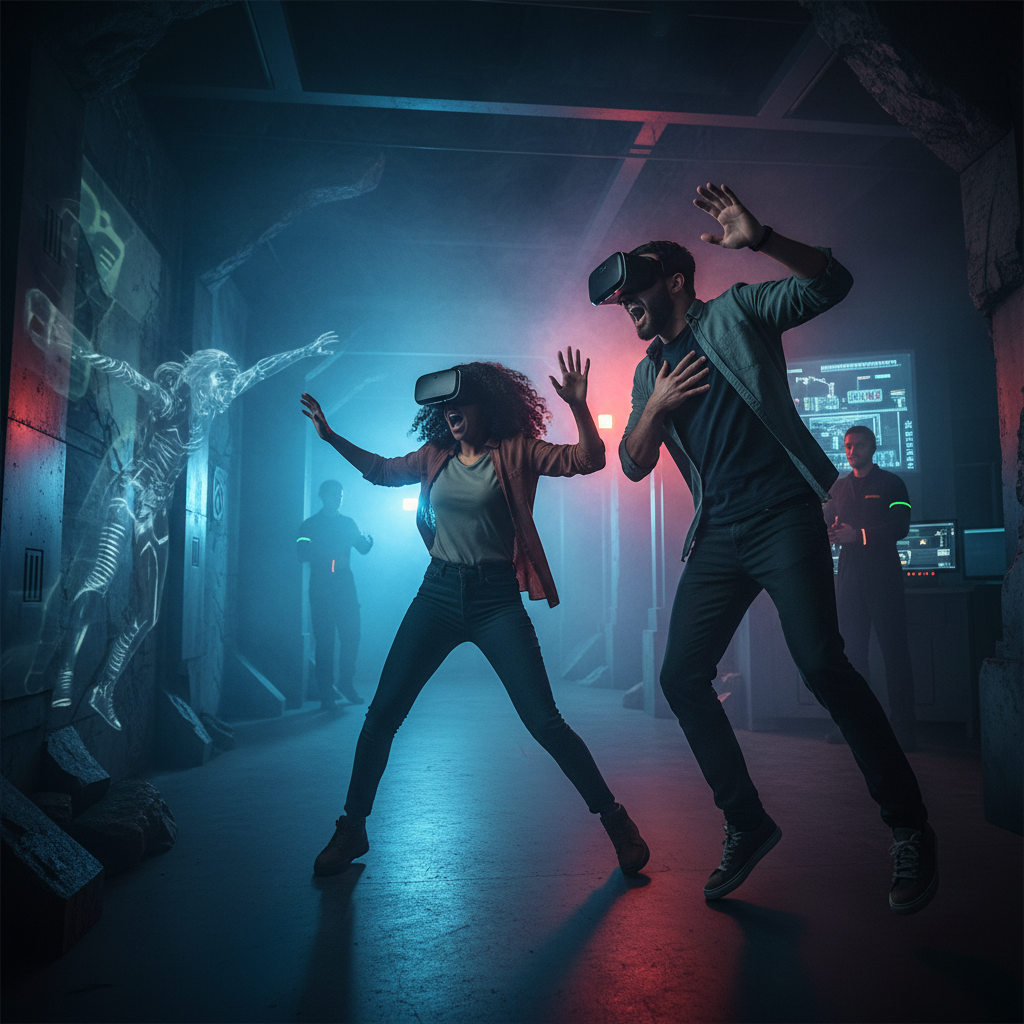
Set yourself up for success: hydrate, warm up with a lighter title, and use snap turns or seated modes if needed. In our 9×9 pods, keep movements deliberate, listen for boundary cues, and communicate with your team. Brief breaks keep adrenaline fun instead of fatiguing.
- Pre-game check: Glasses-friendly fit, wrist straps on, and a quick comfort test in a calm scene.
- Start light: Try a 5–10 minute haunted-house run before a 20–30 minute investigation.
- Use boundaries: If you hear or see chaperone cues, pause and reset your footing.
- Team signals: Establish “pause,” “swap,” and “I’m good” phrases to coordinate calmly.
- Micro-breaks: A 60–90 second breather can keep your final sequence sharp.
Parents and organizers: Let our staff know if anyone is sensitive to jump scares or prefers puzzles. We’ll select titles that emphasize discovery over shock.
Tools and resources
Use these resources to prepare: a headset capability overview, beginner-friendly arcade tips, and a behind-the-scenes look at gaming pod setup. They’ll help first-timers feel confident and make your group session smoother from the moment you arrive.
- Understand high-end headset capabilities with this Vive Pro features overview.
- Share beginner tips for VR arcades with your group before game day.
- See how staff stage each 9×9 pod in this gaming pod setup guide.
For venue-specific planning, our London VR arcade page and school group activities guide cover arrival, waivers, and group sequencing.
Mini case studies: how different groups win with VR horror
The right pairing of pods and VR escape rooms turns scares into smiles. Families prefer puzzle-first rooms; corporate teams lean into co-op investigations; teens mix jump-scare sprints with story-driven stealth. The results: confident first-timers, stronger teamwork, and memories that last.
Birthday crew, mixed ages
A family books adjacent pods and one VR escape room. They start with a short haunted-house run (5–10 minutes), jump into a co-op ghost hunt, then regroup for the escape room finale. With 22 pods and 12 rooms available, timing’s easy—even with a busy Saturday lineup.
Corporate team, 12 participants
We split into four squads of three. Each trio rotates through an investigation, a stealth chapter, and a short jump-scare sprint. The private party room’s lounge seating and big TVs keep non-players engaged between slots. Debriefs highlight callouts, role clarity, and composure under pressure.
School group, 18 students
Three waves of six students tackle a puzzle-forward VR escape room. Between runs, they try gentler haunted scenes in pods to compare design techniques—lighting, audio, and environmental storytelling. Teachers report high engagement for diverse learners and a memorable field trip day.
VR horror games: Frequently asked questions
New to VR horror? These quick answers cover intensity, motion comfort, age guidance, and how to pick the right experience at The Next Level. If you have a unique need, ask our staff—we’ll tailor the plan.
Are VR horror games too intense for first-timers?
Not when you choose the right format. Start with puzzle-led rooms or short haunted-house runs, then scale up. Our staff adjusts comfort options—snap turns, vignettes, or seated play—so beginners build confidence quickly.
What’s the best group size for a scary VR session?
Pairs and trios work well in pods; 1–6 players fit our VR escape rooms. With 22 pods total, we can stage multiple teams side by side and keep a fun flow between rotations and spectating.
How do you handle motion comfort and safety?
We begin with a quick fit check, confirm comfort settings, and review boundary cues. Each 9×9 pod provides clear space, and staff offer live coaching. Short breaks help keep adrenaline fun instead of fatiguing.
Can we combine pods with a VR escape room?
Yes. Many groups warm up in pods, then finish with a puzzle-forward escape room for shared celebration moments. Our team will help you sequence experiences to match time and comfort levels.
Do you rotate the horror lineup during the year?
We keep a large, continuously updated library. Seasonal favorites and new releases cycle in so repeat visits stay fresh. Ask our desk team about current co-op, puzzle, and survival options when you arrive.
Wrap-up and next steps
VR horror shines when it matches your group’s comfort, time, and goals. With 22 pods, 12 escape rooms, and a private party room, The Next Level makes planning easy—whether you want jump scares, collaborative puzzles, or slow-burn dread.
- Pick a format: pods for solo/duo thrills, escape rooms for 1–6 players.
- Start light, then ramp to survival or stealth sequences.
- Use micro-breaks and team signals to keep sessions fun.
- Leverage staff coaching and boundary cues inside 9×9 pods.
Ready to play? Plan your visit with our London VR arcade guide, then book time inside our pods and VR escape rooms at The Next Level, 100 Kellogg Lane.