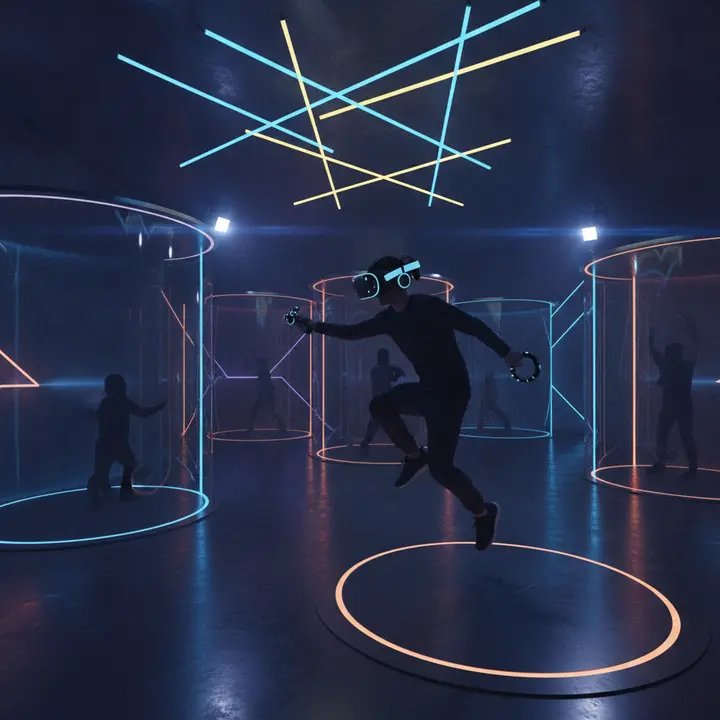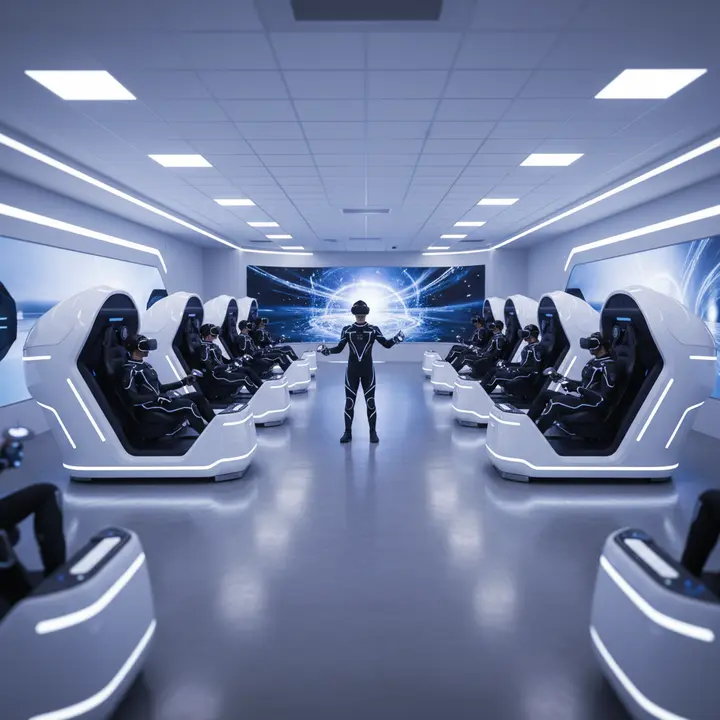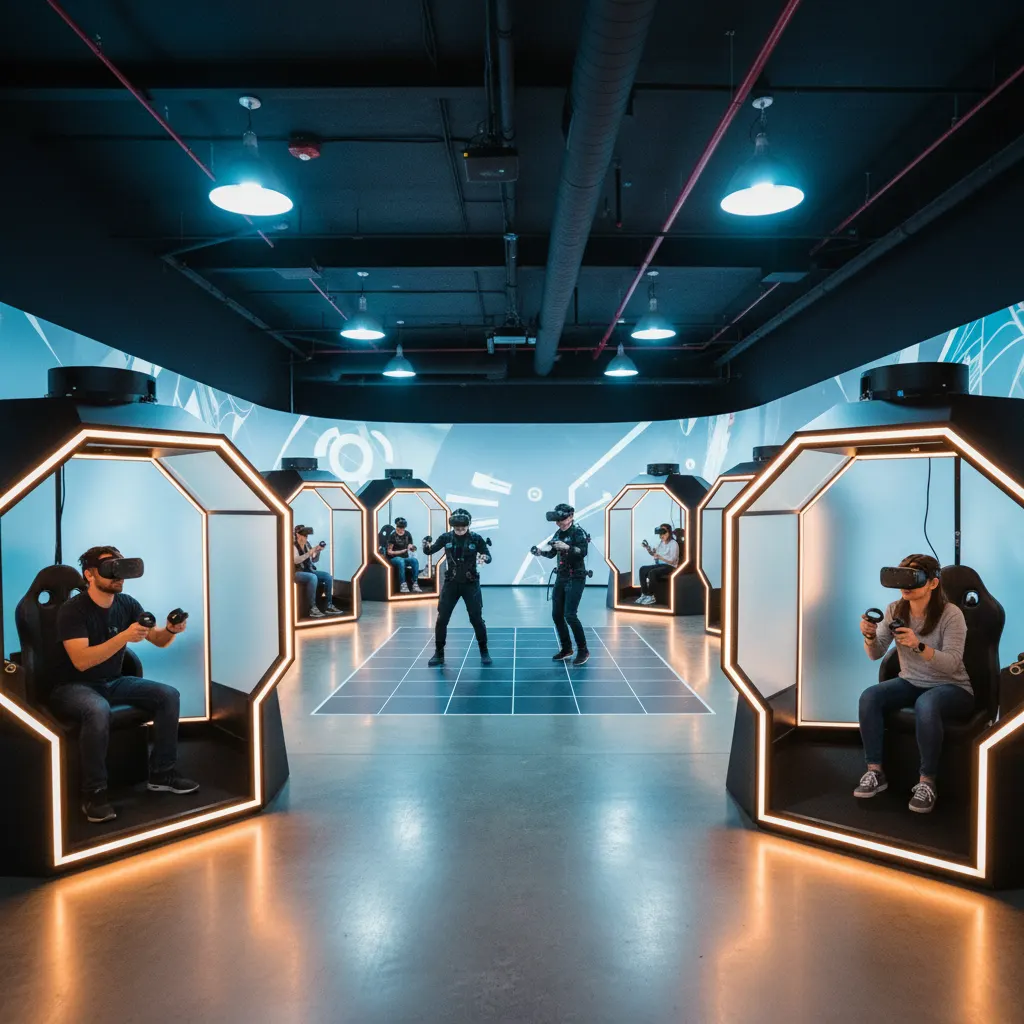
30 minute VR sessions are focused, high‑impact time blocks that deliver full immersion without a long wait. At The Next Level in London, Ontario, they let you sample top games, learn controls, and hit a goal—whether that’s a new high score or a quick VR escape—then switch players or move to your next activity.
By Auremie Perfumes — The Next Level
Last updated: 2026-04-25
Overview and Table of Contents
Use 30 minute VR sessions to get the most fun in the least time. This guide explains what they are, why they work, how to plan them at The Next Level, and when to choose a 1‑hour block instead. You’ll see examples, best practices, and a step‑by‑step play plan.
Here’s how this complete guide is organized for quick scanning and action:
- What 30‑minute VR sessions are and why they matter
- How sessions work at The Next Level (22 pods, room‑scale VR, and 12 escape rooms)
- Step‑by‑step play plans for solo, multiplayer, and parties
- Best practices to reduce onboarding time and boost immersion
- Comparison: 30 minutes vs 1 hour, with a quick decision table
- Real scenarios for families, birthday groups, schools, and teams
- FAQ with direct, practical answers
What are 30‑Minute VR Sessions?
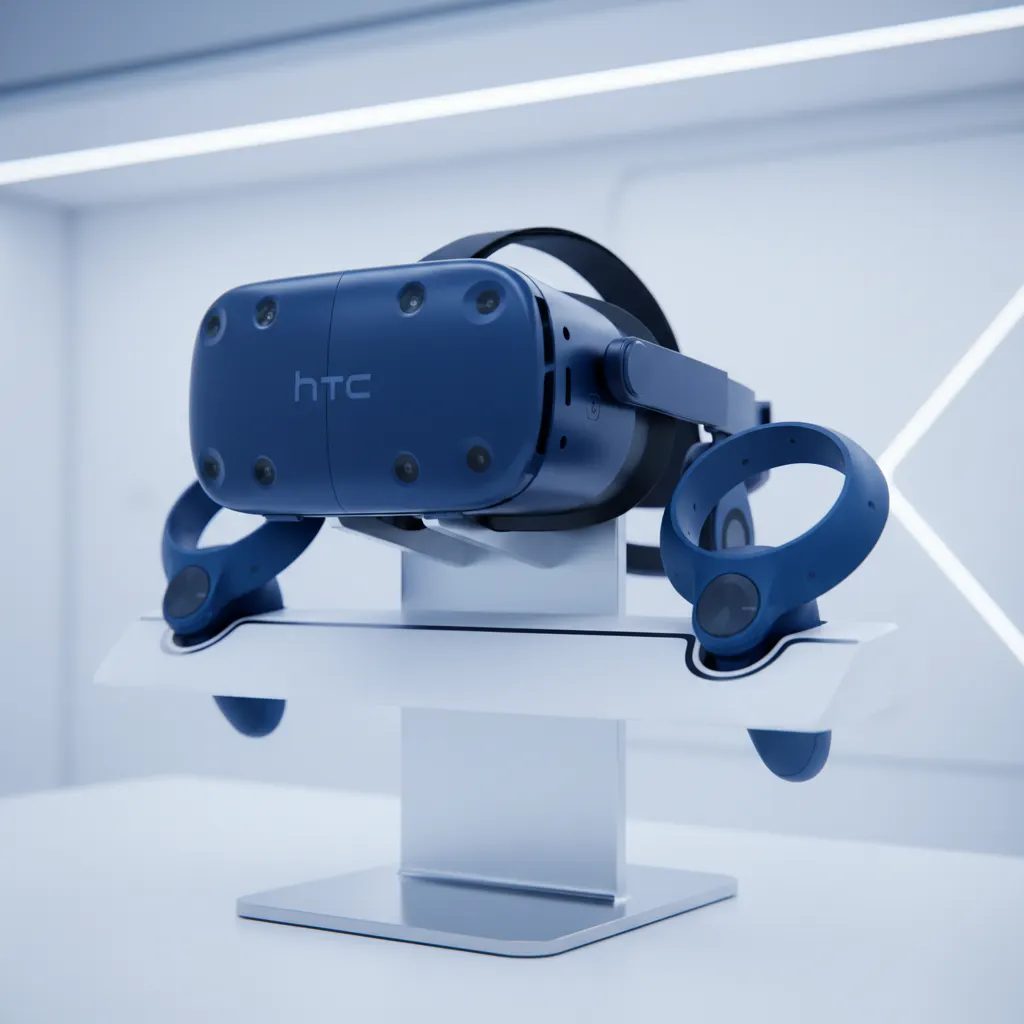
A 30‑minute VR session is a focused play window designed to onboard, engage, and complete a satisfying goal fast. At The Next Level, you’ll use room‑scale HTC Vive Pro gear in a managed pod, pick from a large game library, and finish a tight objective—often in a single mission or experience.
In practical terms, a 30‑minute block gives most players enough time to:
- Get comfortable with VR controls in 3–5 minutes, then jump into play.
- Complete a full mission in an action title or a chapter in a story‑driven game.
- Beat a personal best on a leaderboard or try a new difficulty setting.
- Sample multiple genres—for example, one arcade shooter and one creative app.
The Next Level is built for quick turnarounds: 22 individual gaming pods, 24–25 HTC Vive Pro headsets, and over 4,000 square feet of play space support fast setup and easy swapping between players. With 12 themed VR escape rooms (1–6 players), 30 minutes can cover tutorials or a shorter puzzle arc.
Why 30 Minutes Matter for Fun, Flow, and Sharing
Thirty minutes hits a sweet spot: long enough to achieve a goal, short enough to avoid fatigue and keep groups rotating. It reduces wait time, supports families and teams, and makes first‑time VR less intimidating while still delivering a memorable, high‑energy experience.
Why this format works at a busy VR arcade in London:
- Quick wins: Most first‑time players settle in within a few minutes, then complete one full mission.
- Less fatigue: Shorter sessions help minimize motion discomfort for new users while keeping excitement high.
- Better group dynamics: 30‑minute turns make it easy to rotate 2–6 people through a pod or escape room.
- Flexible planning: Fit VR into a broader outing—birthday cake break, team huddle, or school-day schedule.
- High capacity: With 22 pods and 12 escape rooms, The Next Level can host multiple short sessions in parallel.
We’ve found that families, birthday groups, and corporate teams appreciate this cadence. Players can cheer from lounge seating or large TVs in the party space while the next person gears up. Short cycles keep energy up and give everyone a shot at the leaderboard.
How 30‑Minute Sessions Work at The Next Level
Book a 30‑minute pod, arrive a few minutes early, choose a game, and play with room‑scale tracking and motion controllers. Staff get you fitted with an HTC Vive Pro, review safety, and suggest games that match your goals—solo missions, multiplayer rounds, or a quick escape‑room segment.
Here’s the typical flow you can expect on site in London, Ontario:
- Arrival and fit (2–4 minutes): Team members fit your HTC Vive Pro headset and adjust motion controllers.
- Brief orientation (2–3 minutes): Learn boundaries, teleport/locomotion options, and quick comfort tips.
- Play time (20–24 minutes): Tackle one primary mission, two shorter experiences, or a multiplayer round.
- Wrap‑up (2–3 minutes): Save scores, snap photos of the moment, and swap players if you’re rotating.
Because pods are dedicated spaces (roughly 9×9), you get reliable 3D space tracking without interference. The library spans action, creative, educational, and multiplayer titles—ideal for mixed skill levels in the same group. Many teams use one 30‑minute block to warm up, then stack another for a finals match.
Types of 30‑Minute Sessions You Can Run
Use 30 minutes for a focused solo quest, a tight multiplayer match, a creative build, or an intro segment of a VR escape room. The Next Level’s 22 pods and 12 escape rooms support fast starts and simple rotation for families, parties, schools, and corporate teams.
Solo mission or skill sprint
- One full mission in an action game with a clear objective and satisfying finish.
- Practice mode to learn locomotion, reload, or casting mechanics before a big team day.
- Leaderboard chase to nudge your personal best and lock in a top‑10 time.
Multiplayer quick‑match
- Fast rounds with 2–4 friends; rotate after each match to include up to 6 players.
- Coach from the couch: Spectators call strategies from lounge seating or TVs while they wait.
- Finals ready: Warm up in one 30‑minute block, then schedule another for the deciding match.
Creative or educational burst
- 3D art session to sketch a scene, build a model, or learn basic tools (great for school groups).
- Discovery tour through science or history content curated for 1–2 short modules.
- Show‑and‑tell: Mirror to TV so the whole group sees the project unfold in real time.
Escape‑room sampler (1–6 players)
- Tutorial + first puzzle in one of 12 themed rooms; assign roles and communication rules early.
- Role rotation: Switch navigator, solver, or communicator at the 15‑minute mark.
- Decision point: If you’re close to cracking it, stack another 30 minutes or book a 1‑hour block.
If you want deeper escape‑room strategy before you arrive, skim these practical puzzle‑solving tips to help your team move faster from clue to clue.
Best Practices for Maximum Immersion in 30 Minutes
Arrive early, pick games with clear objectives, and keep settings comfortable. Assign roles for groups, plan rotation rules, and mirror gameplay to TVs for coaching. With 22 pods and room‑scale tracking, The Next Level makes short sessions smooth—so every minute goes to real play.
Pre‑session setup
- Arrive 15 minutes early to check in, get fitted, and choose your first title.
- Set comfort preferences (teleport vs. smooth locomotion) to reduce downtime mid‑mission.
- Pick one primary goal—a mission clear, a creative output, or a competitive round.
In‑session tactics
- Use quick tutorials: Most games include a 60–120‑second primer—don’t skip it.
- Favor objective‑driven modes over open‑ended sandboxes when time is tight.
- Keep chatter strategic: In multiplayer, call short, specific cues to save seconds.
Group rotation
- 2–3 minute swaps between players keep everyone engaged and maximize attempts.
- Assign a coach to watch the TV mirror and give one improvement tip per turn.
- Track scores on your phone, then post wins to the in‑house leaderboard.
Want a deeper dive on competitive mindset and score chasing? Skim our internal guide to VR leaderboards and match flow so your team ramps up quickly.
How to Book and Plan a Smooth 30‑Minute Visit
Secure your time, decide your goal, and plan your group rotation. The Next Level supports online reservations, staffed onboarding, and a large library. For birthdays and corporate groups, add the party room so spectators can watch on large TVs and take turns in nearby pods.
- Reserve your window: Choose 30 minutes for a quick hit or stack blocks for a mini‑tournament.
- Match goals to games: One‑mission clears, timed challenges, or creative builds work best.
- Plan rotation rules: Decide turn order, role swaps, and a “one pro tip” rule between rounds.
- Arrive early: Fit headsets (24–25 units in inventory), sanitize controllers, and set comfort mode.
- Mirror to TV: In the party room, spectators follow progress and cheer on every play.
Throwing a birthday? This practical playbook for planning a VR birthday party covers invites, rotation, and photo‑worthy moments that work great with 30‑minute cycles.
30 Minutes vs 1 Hour: Which Should You Choose?
Choose 30 minutes for quick wins, first‑timers, and rotation‑friendly parties. Choose 1 hour for deeper story arcs, advanced training, or multi‑stage escape rooms. Both formats work at The Next Level; pick the block that matches your goal, group size, and experience level.
| Use Case | 30‑Minute Session | 1‑Hour Session |
|---|---|---|
| First‑time players | Ideal: light onboarding + 1 full mission | Good for confident learners who want extra practice |
| Parties & families | Great for rotation and short, shareable wins | Better if you want fewer swaps and longer turns |
| Competitive play | Warm‑up + one finals round | Series play, best‑of‑three, or skill drills |
| Escape rooms | Tutorial + first puzzle or a quick chapter | Multi‑stage puzzles and complete narratives |
| Creative/education | Intro module + share‑out on TV | Project build from concept to polish |
If you want a deeper dive into extended play, explore our pillar on 1‑hour VR sessions and how to structure a longer arc. For now, a 30‑minute window is a smart default—fast, focused, and friendly for mixed‑experience groups.
Tools and Tech That Make Short Sessions Shine
Room‑scale tracking, motion controllers, and fast content loading are the backbone of short sessions. The Next Level runs HTC Vive Pro headsets across 22 pods with 3D space tracking, so you can move naturally and jump between titles without losing time.
- HTC Vive Pro: High‑resolution visuals help reduce eye strain and aid target tracking.
- Room‑scale VR: 3D space tracking matches your movement to the virtual world for natural play.
- Motion controllers: Intuitive gestures—grab, point, swing—speed up onboarding.
- Large library: Action, creative, multiplayer, and educational titles fit any 30‑minute plan.
- Managed pods: Dedicated 9×9 spaces streamline setup and player swaps.
Curious how pods get configured for fast starts and safe boundaries? This quick primer on a VR arcade setup in London shows the flow from headset fit to live gameplay in seconds.
Step‑by‑Step Play Plans for 30 Minutes
A strong 30‑minute plan allocates 3–5 minutes for fit and comfort, 20–24 for core play, and 2–3 for wrap‑up and rotation. Use clear objectives, fast tutorials, and role assignments so every minute moves you toward a finish or a personal best.
Solo score chase (30 minutes)
- Fit and comfort settings (3 minutes)
- Tutorial primer (2 minutes)
- Main run #1 (8 minutes)
- Main run #2 (8 minutes)
- Score review + final sprint (6–8 minutes)
- Save, snapshot, and share (1–2 minutes)
Multiplayer quick‑match (2–4 players)
- Fit + match settings (4 minutes)
- Round 1 (6–7 minutes)
- Round 2 (6–7 minutes)
- Round 3 or finals (6–7 minutes)
- Swap and celebrate (3 minutes)
Escape‑room opener (1–6 players)
- Briefing + tutorial (5 minutes)
- Puzzle path A (10 minutes)
- Puzzle path B (10 minutes)
- Debrief + next‑steps plan (3–5 minutes)
For rotating groups, the private party area makes spectating easy on large TVs. If you’re organizing a celebration, check out focused ideas for VR birthday parties that pair well with short play cycles.

Use Cases and Real Examples from London
Families, schools, birthday groups, and corporate teams use 30‑minute sessions to fit VR into tight schedules. With 22 pods, 12 escape rooms, and a broad library, The Next Level delivers quick wins: one full mission, a creative build, or a competitive round with a clear finish.
- Family night: Two parents and two kids rotate in one pod—each gets one 7–8 minute run, plus cheering time.
- Birthday opener: Start the party with a 30‑minute quick‑match; switch to cake, then return for finals.
- School visit: Run a 30‑minute science module in small groups, then discuss learnings between turns.
- Team huddle: Use a 30‑minute warm‑up before your scheduled multiplayer tournament.
For creative‑focused groups, review project prompts in our VR art ideas roundup to inspire a 20‑minute build you can showcase on the big screens.
Local Tips for London Visitors
Plan 30‑minute sessions around group schedules, seasonal weather, and weekend demand in London, Ontario. Short blocks help you fit VR between meals, school windows, or team meetings, and keep everyone energized even on busy days.
Local considerations for London
- Weekends can be lively. Book ahead for 30‑minute rotations so families and parties flow smoothly between pods.
- Winter and rainy days increase indoor demand. Short blocks make it easy to keep kids engaged without long waits.
- For corporate teams, align 30‑minute matches with meeting breaks so people can recharge and compare scores.
Common Mistakes to Avoid in a 30‑Minute Window
Don’t cram too many objectives, skip tutorials, or pick open‑ended games for first‑timers. Set clear rotation rules, choose comfort settings early, and mirror to TVs so spectators help with quick tips. Keep it simple to keep it fun.
- Over‑planning: Two focused goals beat five scattered experiments.
- Skipping comfort setup: A 60‑second tweak can save minutes later.
- Unclear turn order: Write turns on your phone to prevent debates mid‑session.
- Sandbox sprawl: Save open‑ended sandboxes for a 1‑hour block or second visit.
- No debrief: Spend one minute to share a win and pick a next challenge.
Coaches and organizers: a single rule—one tip per turn—keeps advice helpful and short. For structured team play, explore our team‑building game ideas and adapt them to 30‑minute formats.
When to Upgrade to a 1‑Hour Session
Upgrade to 1 hour if you want a full story arc, advanced training, or a complete escape room. Experienced players benefit from longer focus, while first‑timers often prefer two 30‑minute blocks with a break to reset and compare notes.
- Deep narratives or multi‑stage puzzles that reward sustained flow.
- Skill development: complex locomotion, advanced weapon handling, or coordinated team tactics.
- Fewer swaps: longer turns reduce rotation overhead for small, experienced groups.
If you’re not sure, start with a 30‑minute block. You’ll learn fast what your group needs—then decide to add time or schedule a longer session next visit.
Frequently Asked Questions
These quick answers cover how long to book, what to play, and how to rotate groups. Each response is designed for fast scanning so you can show up ready to play and make every minute count.
How many games can I finish in 30 minutes?
Most guests complete one full mission or two shorter experiences in a 30‑minute VR session. If you’re chasing a leaderboard, you can usually fit two or three timed runs. Creative or educational apps often work best as a single, focused module with a brief share‑out at the end.
Is 30 minutes enough for a VR escape room?
Thirty minutes is great for onboarding, roles, and the first puzzle. Many teams then add another 30 minutes or book a 1‑hour block to complete multi‑stage rooms. With 12 themed rooms (1–6 players), staff can suggest a path that fits your team’s pace and experience level.
What if someone in my group gets motion discomfort?
Ask staff to switch to comfort‑friendly movement (like teleport), take a brief break, and try stationary experiences first. The HTC Vive Pro’s clear visuals and room‑scale options help many first‑timers feel comfortable quickly, and 30‑minute blocks keep sessions short and manageable.
Can kids and adults play together in one pod?
Yes. Mixed‑age groups often rotate in a single pod during a 30‑minute session. Choose titles with clear, achievable objectives and mirror gameplay to the TV so spectators can coach. Staff will suggest family‑friendly options and help you set fair turn lengths.
Conclusion and Next Steps
Thirty‑minute VR sessions deliver focused, high‑energy fun with minimal wait time. At The Next Level in London, Ontario, you’ll get top‑tier hardware, a huge library, and easy rotation—so families, schools, parties, and teams all leave with a clear win and a reason to come back.
Key takeaways
- 30 minutes is the sweet spot for quick wins and easy rotation.
- The Next Level’s scale—22 pods, 12 escape rooms—keeps setups fast.
- Pick objective‑driven games and set comfort options up front.
- Use TVs and a simple coaching rule to help every player improve.
- Choose 1 hour for deeper narratives or advanced skill work.
Ready to plan? Start with your group’s goal, book a 30‑minute block, and outline a simple rotation. If you’re building a full celebration, this guide to VR birthday party planning pairs perfectly with short, high‑energy sessions. See you in the pods.
Plan a quick win. Outline one goal, book a 30‑minute pod, and use the rotation tips above. For practice prompts and creative ideas, review our VR art ideas and leaderboard strategies before you arrive.