
VR leaderboard competition is a structured, score-based challenge where players or teams compete in virtual reality to rank on a shared board. It uses fixed rules, verified scoring, and time-boxed attempts to spot top performers. At The Next Level in London, Ontario, leaderboards turn casual sessions into goal-driven events with real stakes and social energy.
By Auremie Perfumes • Visit The Next Level
Last updated: April 24, 2026
Quick Summary
A VR leaderboard competition ranks players or teams across set challenges using standardized scoring, clear rules, and transparent verification. At The Next Level in London, you can run leaderboards in 22 gaming pods across a massive library, including 12 VR escape rooms for 1–6 players—ideal for birthdays, school trips, and team building.
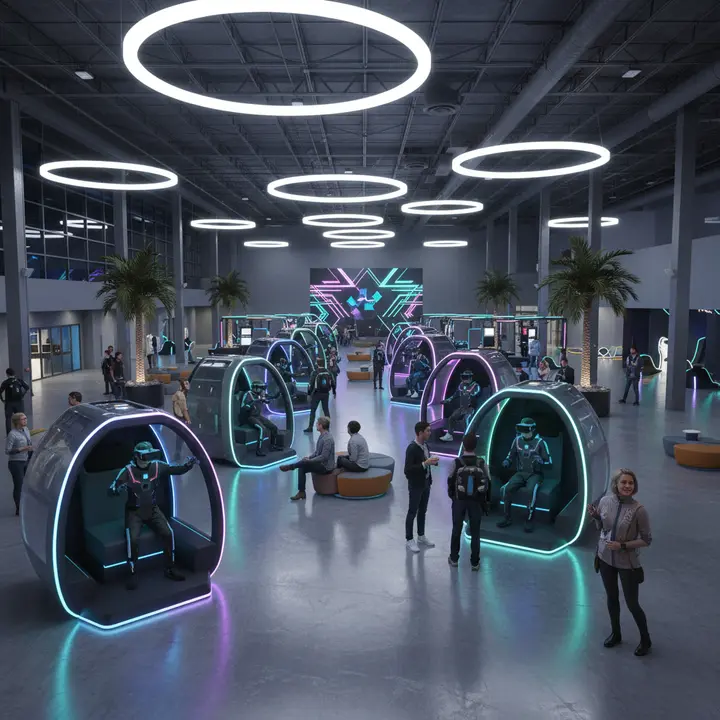
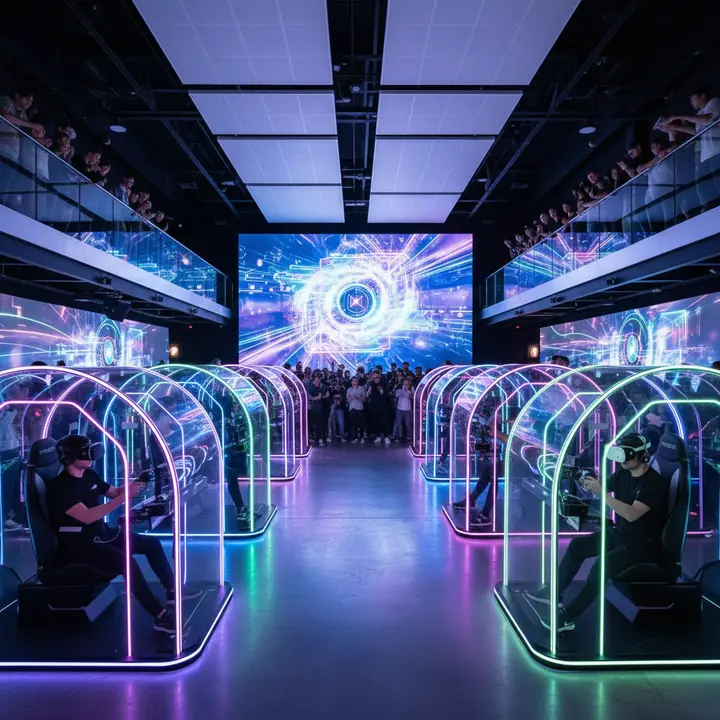
The Next Level operates more than 4,000 square feet of VR space with 22 individual gaming pods supported by 24–25 HTC Vive Pro headsets and room-scale tracking. That capacity makes same-day qualifiers, finals, and cross-game challenges realistic without crowding. Groups can rotate through 15–20 minute heats while spectators watch on large TVs in a private room. The result is steady momentum, quick standings updates, and memorable celebrations.
What Is a VR Leaderboard Competition?
A VR leaderboard competition is an organized event where participants attempt specific VR challenges to earn scores, times, or completions tracked on a shared board. Consistent formats, rules, and verification ensure fairness, while rotating games keep play fresh for mixed ages and skill levels.
Unlike casual free play, a leaderboard imposes structure. Players know the exact win conditions—highest score, fastest time, or most objectives—and get defined windows to attempt them. With a library spanning action, creative, educational, and multiplayer titles, The Next Level can tailor brackets for kids, teens, adults, and mixed teams at the same time. Clear rules also reduce disputes and keep the schedule moving on time.
In our experience hosting London groups, competitive energy skyrockets when the goals are visible. A 20-minute time-trial loop produces frequent rankings updates, which keeps spectators engaged and players motivated. The shared board also supports season-long bragging rights for returning visitors, with many teams tracking personal bests week over week.
Why VR Leaderboards Matter
Leaderboards turn passive viewing into active participation. They motivate repeat attempts, create shared goals for teams, and give hosts an easy, trackable way to celebrate progress—vital for birthday parties, corporate events, and school trips in London.
Group events often combine mixed experience levels, interests, and ages. A leaderboard solves that coordination challenge by offering multiple parallel pathways to success. For instance, you can run arcade high scores for younger players, speed-run time trials for teens, and co-op objectives for adults. Because The Next Level supports 1–6 player teams and 22 simultaneous pods, everyone gets meaningful playtime with minimal waiting.
Leaderboards also support learning outcomes. Educational VR scenarios can reward discovery or accuracy. Creative titles can score composition or technique using rubrics. And cooperative games measure teamwork and communication—turning social skills into measurable milestones. We’ve seen teachers and managers use these metrics to recognize not only winners, but progress and collaboration as well.
How It Works at The Next Level
Pick a format, lock the rules, define scoring, and schedule heats. Use The Next Level’s 22 pods, 12 escape rooms, and private party space for rotations, real-time displays, and awards. Staff facilitate setup, safety, and tie-breaks so hosts can focus on players.
Here’s the flow London hosts choose most often:
- Reserve pods and, if needed, the private room for spectating and awards.
- Choose 1–3 featured titles from the arcade library and, optionally, one VR escape room for team finals.
- Define scoring: points, time trials, or objective counts. Decide on tie-breakers in advance.
- Set round length (commonly 15–20 minutes) and the total number of rounds per player or team.
- Establish safety briefings, comfort options, and substitution rules for motion-sensitive players.
- Publish the rules, then run check-in, heats, semi-finals, and a final showcase.
Because each gaming pod is room-scale (9×9), players have space for full-body movement—great for rhythm games, wave defense, and skill challenges. The private room’s wall-mounted TVs let families and teammates follow along in real time. For younger competitors and first-time VR users, that visibility reduces anxiety and builds community from the first heat.
Types & Scoring Approaches
Use formats that fit your group: arcade high scores, speed-run time trials, objective races, or co-op team challenges. Combine formats for variety—such as individual qualifiers by score and team finals by escape room time.
| Format | Primary Metric | Best For | Notes |
|---|---|---|---|
| Arcade High Score | Total points | Birthdays, open play | Simple and fast updates; great for 22-pod qualifiers. |
| Time Trial | Fastest completion | School groups | Fair for mixed skills; 15–20 minute heats work well. |
| Objective Race | Tasks completed | Corporate teams | Encourages strategy and consistent execution. |
| Co-op Team | Shared score/time | Team building | Rewards coordination; 1–6 players per team. |
Many hosts rotate formats across rounds to keep the experience dynamic. For example, you can run two score-based qualifiers, a time-trial semi-final, and a co-op finale—so every participant finds a moment to shine. When we host mixed-age events in London, this rotation evens the playing field and maintains engagement across the full schedule.
Calibration and anti-cheat safeguards
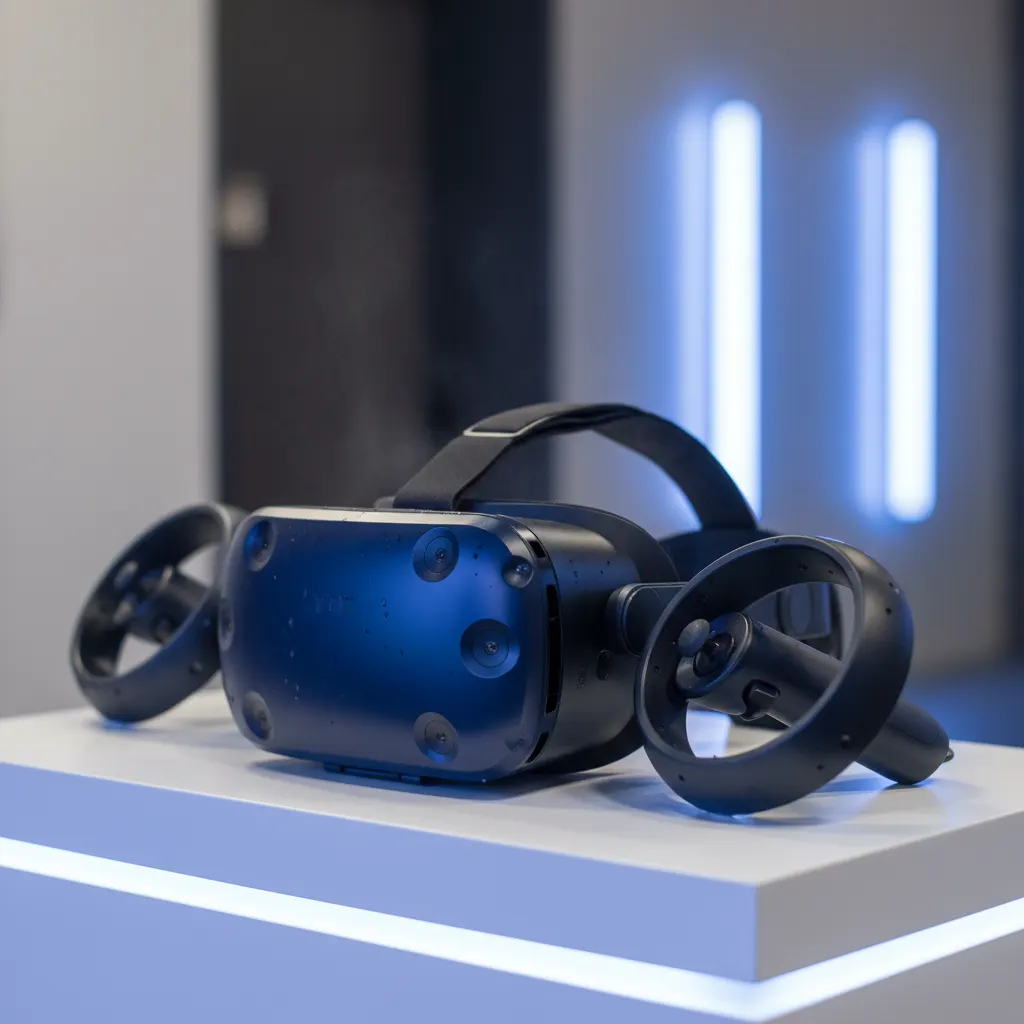
- Use identical headset models across active pods (HTC Vive Pro) and mirror controller layouts.
- Warm-up calibration: 60–90 seconds to confirm tracking and comfort before the official timer starts.
- Score verification: staff screenshots or logs captured immediately after each run.
- Two tie-breakers: for example, fewest retries and then earliest qualifying time.
Standardizing equipment and procedures keeps results credible. We recommend documenting these safeguards in a one-page rules sheet displayed near your standings screen.
Metrics that actually matter
- Attempts per hour: target steady rotations so each player gets 2–3 meaningful shots.
- Heat length: 15–20 minutes is the sweet spot for learning and improvement.
- Engagement signals: returning players, fewer no-shows, and more “most improved” awards.
- Team balance: track roster swaps to keep communication sharp without benching newer players.
These numbers help hosts tune schedules in real time. If rounds are dragging, shorten heats by two minutes and add a quick reset window to keep your leaderboard updates flowing every 10–15 minutes.
Best Practices for Fair Play
Post simple rules, balance difficulty, and standardize equipment. Use safety briefings, substitution options, and staff verification. Rotate games to reduce fatigue and keep the leaderboard fresh for returning players.
- Clear rules: Scoring, time limits, substitutions, and tie-breaks should fit on one visible page.
- Standardized setups: Same headset model, tracking space, and controller layout across pods.
- Player comfort: Offer seated modes, shorter bursts, and non-locomotion options if needed.
- Verification: Screenshot scores or use staff logging between rounds to avoid disputes.
- Rotation pacing: 15–20 minute heats with 5-minute changeovers prevent queues.
- Celebrate widely: Recognize top scores, fastest times, best teamwork, and creative plays.
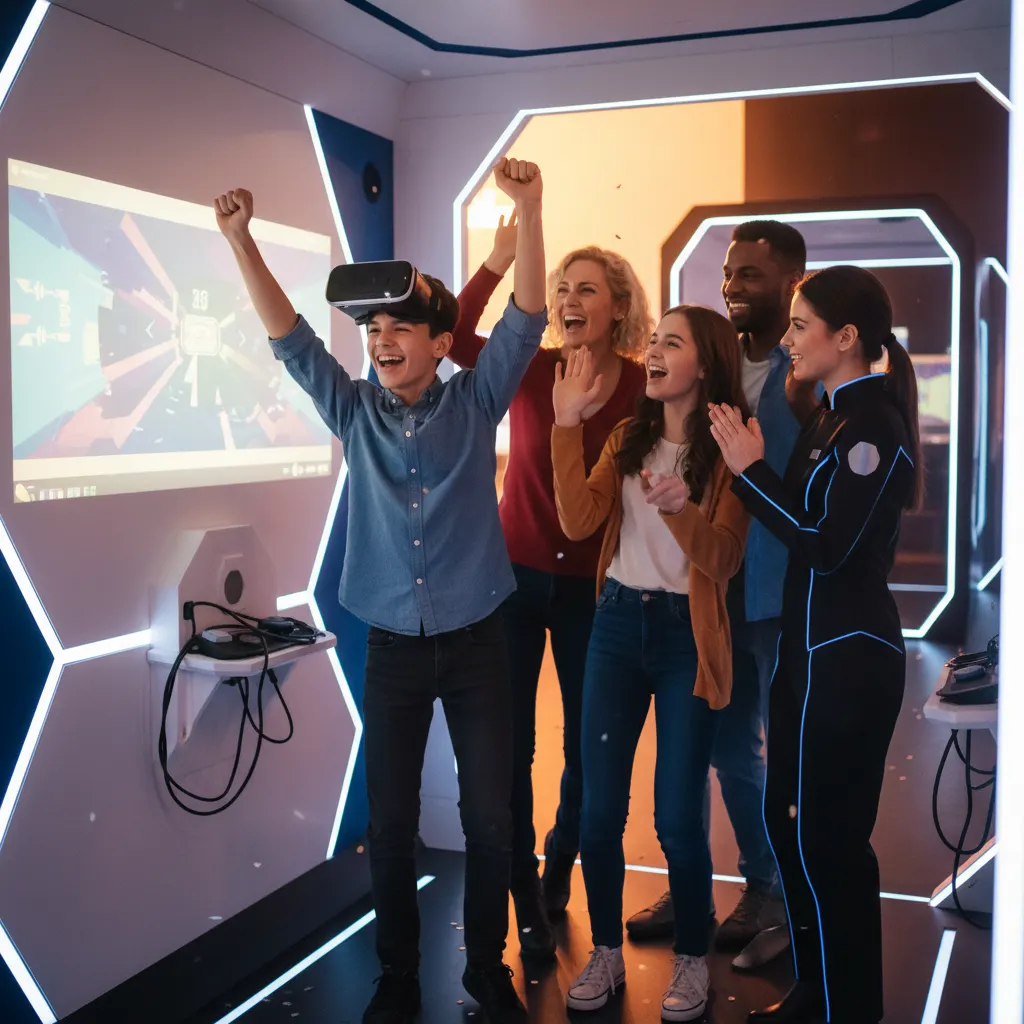
We’ve found that celebrating multiple categories boosts morale for young players and first-timers. Teams keep coming back when the board rewards growth, not just a single “winner take all.” For kids’ birthdays, pairing a “most improved” ribbon with the top-score medal keeps spirits high all party long.
Tools & Resources
Combine booking, score capture, and display tools. Use reservation platforms for scheduling, in-game dashboards for scores, and a central screen for standings. Staff run timing, screenshots, and validations between heats.
At The Next Level, hosts often lean on a simple stack: online reservations for pods and rooms, game-native scoreboards for instant results, and a shared display screen for standings. Clipboards or tablets help staff record times, objective counts, and notes on rule calls. For learning-focused events, a judging rubric clarifies how creativity, accuracy, or collaboration convert into points. Consistency is key; brief judges together and keep the rubric visible so players understand the path to the top of the board.
New to organizing competitive play in VR? These two walkthroughs help first-timers settle in and level up teamwork:
- Review practical warm-ups and comfort settings in our VR arcade beginner tips.
- Sharpen group coordination with multiplayer VR game tips that translate directly into better co-op finals.
For creative or educational titles, consider a simple rubric with 3–5 criteria scored on a 1–5 scale—clarity, originality, accuracy, and collaboration. Keep the total under 25 points so results are fast to tally between rounds.
Case Studies & Examples
With 22 pods, 12 escape rooms, and a private party space, The Next Level supports fast rotations and lively spectating. Recent London events used 20-minute heats, two tie-breakers, and mixed-age brackets to keep competition fair and moving.
Birthday “Score Sprint” (ages 10–12)
- Format: Three 15-minute arcade score rounds; top five advance to a showcase heat.
- Pods used: 10 simultaneously for quick turnover.
- Recognition: Top score, most improved, best sportsmanship.
- Helpful prep: Parents preview game choices in our VR birthday party ideas guide.
Corporate Team Challenge
- Format: Objective race + co-op final in a VR escape room (1–6 players per team).
- Pods used: 8 for qualifiers; an escape room for the finals.
- Outcomes: Stronger communication and repeat bookings for quarterly leagues.
- See more team tactics in our team-building games overview.
School “Speed Lab” Field Trip
- Format: Time trials in an educational title; rubric adds accuracy points.
- Pods used: 12 to keep 24–30 students rotating smoothly.
- Outcome: Teachers reported higher engagement than traditional labs.
- Curious about puzzle flow? Explore our VR escape room strategy guide.
Local considerations for London
- Plan weekend brackets early—demand rises during school breaks and holidays in London.
- Winter evenings favor indoor competitions; build shorter heats and warm-up time.
- For mixed-age groups, run parallel brackets so younger players aren’t matched against adults.
Creative challenges for returning players
- Monthly “hall of fame”: Feature a rotating game and archive monthly winners.
- Wildcard rounds: Surprise map or modifier to break ties and refresh strategies.
- Theme nights: Rhythm-night sprints, co-op story arcs, or educator-led discovery quests.
- Art sprints: Score composition, use of color, and technique in creative VR titles.
Returning players love novelty. A light monthly rotation with archived standings balances tradition and freshness—especially helpful for corporate leagues and school clubs.
Frequently Asked Questions
How long should each round be?
Most events use 15–20 minute heats with 5 minutes for changeover. That length keeps the leaderboard moving while giving players time to learn and improve. Shorter heats suit younger kids; longer heats can work for advanced teams.
What games work best for leaderboards?
Arcade score-chasers, rhythm titles, wave shooters, and time-trial adventures rank well. For groups, blend one score game, one time trial, and a co-op team challenge. Ask staff which titles currently have clear in-game score screens.
How do you keep it fair for first-timers?
Offer practice runs, use time trials, and seed brackets by initial results. Standardize headset setups and controller layouts across pods. Recognize multiple categories like “most improved” and “best teamwork,” not just top score.
Can we run a season-long leaderboard?
Yes. Many groups set monthly challenges, rotate featured games, and keep cumulative points. Post rules at the start, define substitutes, and schedule final playoffs. Staff can help you lock formats that encourage steady participation.
What about motion comfort and safety?
Brief players on seated modes, snap turns, and breaks. Offer shorter heats for those sensitive to locomotion. Staff should monitor spacing in pods and ensure straps fit snugly to maintain tracking and comfort.
Conclusion
Well-run VR leaderboard competitions create memorable moments and measurable progress. With 22 pods, 12 escape rooms, and a dedicated party space, The Next Level makes it simple to host fast, fair, and fun events for birthdays, schools, and corporate teams in London.
Here are the big ideas to remember as you plan:
Key takeaways
- Pick formats that match your group—scores, time trials, objectives, or co-op.
- Standardize gear and rules so results feel fair and credible.
- Use 15–20 minute heats and clear tie-breakers to keep momentum.
- Celebrate a range of wins—top score, fastest time, most improved, and best teamwork.
- Rotate monthly challenges to build a community of returning players.
If you want help selecting games, organizing heats, or mapping a finals showcase, our team in London is ready. We’ll guide you from the first rule sheet to the last high-five.
Explore more creative formats in our artistic VR creation ideas and keep your co-op finals fresh with insights from our team-building games overview.