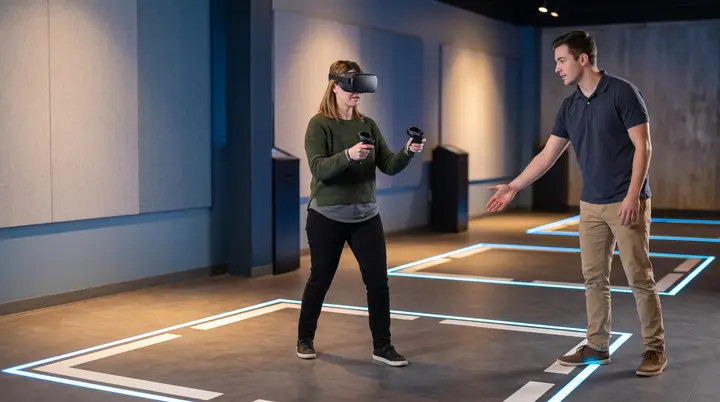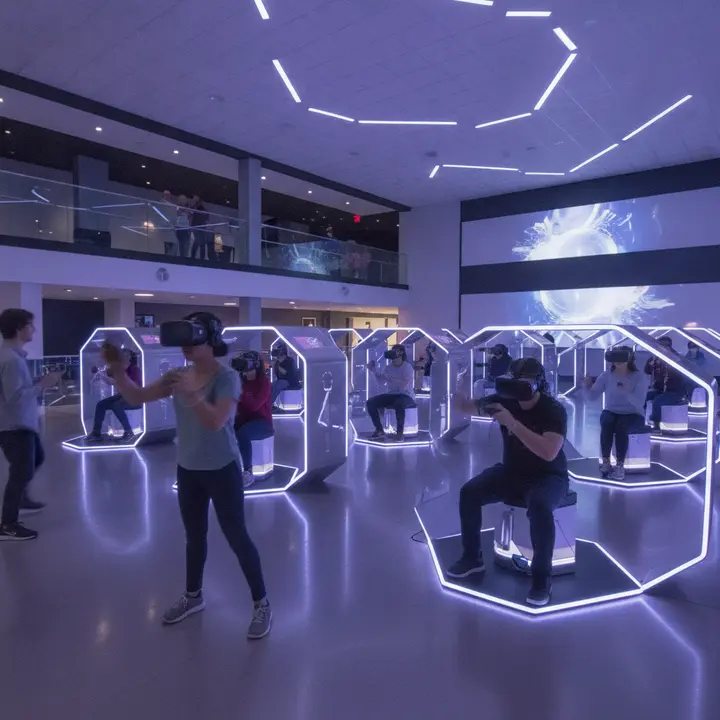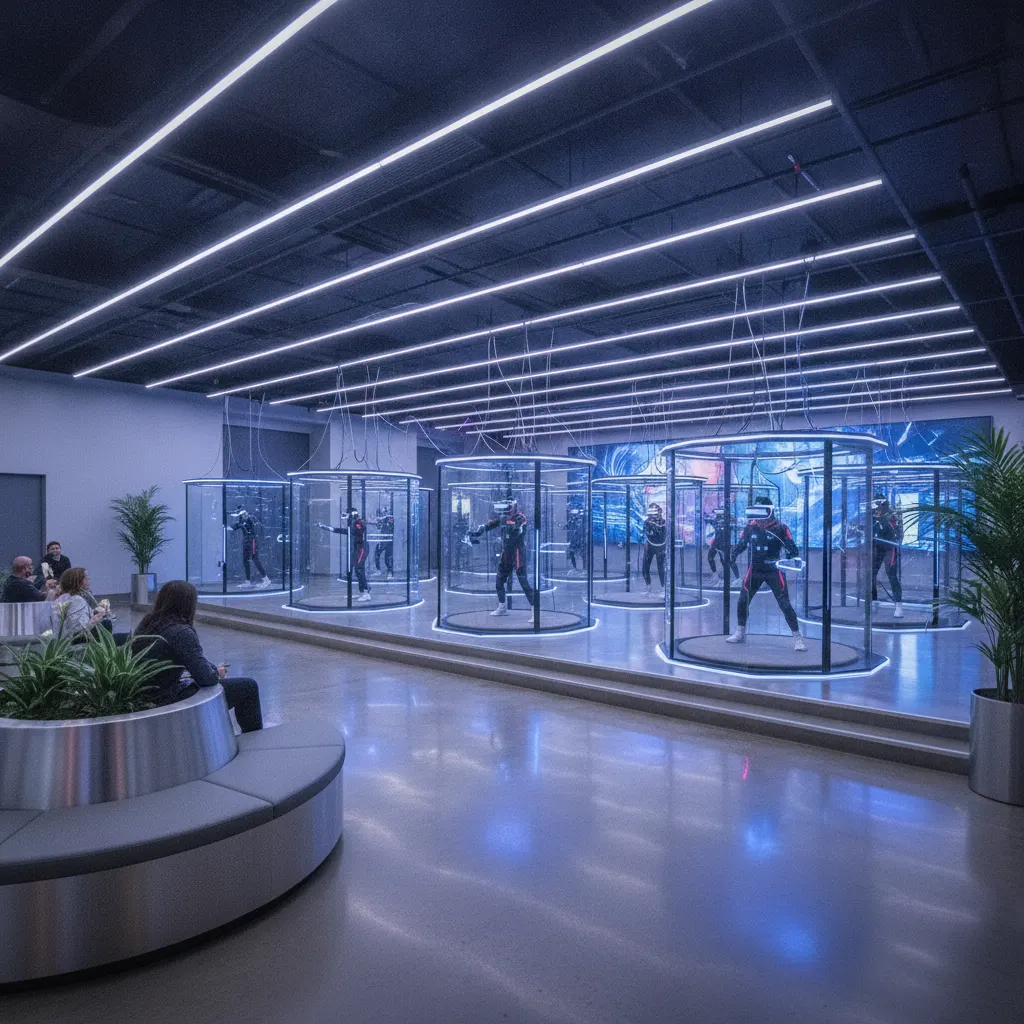
VR gaming experience refers to interactive gameplay inside a virtual environment using a headset, tracked controllers, and room-scale movement. At The Next Level in Old East Village, guests step into immersive worlds using HTC Vive Pro systems across 22 gaming pods and 12 VR escape rooms, creating social, high‑energy play for 1–6 players.
By The Next Level Team • Last updated: 2026-06-30
Start Here: Your First VR Gaming Experience
A great first VR session starts with the right game choice, a comfortable headset fit, and a simple plan: warm up, play in short bursts, and switch titles to match energy. At The Next Level, staff help you pick genres, calibrate gear in minutes, and guide 1–6 player groups through smooth, memorable sessions.
This guide is your hands-on playbook for your first visit—and your next high-score run.
- What VR is and how it works in plain English
- Game types that fit kids, adults, and mixed groups
- Step-by-step arrival-to-exit walkthrough
- Comfort, safety, and performance best practices
- How parties, school trips, and team building succeed here
Table of contents
- Overview: At a Glance
- What Is a VR Gaming Experience?
- Why VR Gaming Matters
- How VR Works at The Next Level
- Types of Experiences at The Next Level
- Step-by-Step: Your First Visit
- Best Practices for Comfort, Safety, and High Scores
- Tools and Resources
- Case Studies and Local Tips
- FAQ
- Key Takeaways and Next Steps
Overview: At a Glance
The Next Level delivers room-scale VR across 22 gaming pods and 12 escape rooms using HTC Vive Pro headsets and motion controllers. In Old East Village, the venue supports solos and groups with a massive, frequently updated library, a private party room, and staff who tailor sessions for 1–6 players.
Highlights that matter on day one:
- 22 pods with room to move (approx. 9×9 play areas) for natural motion.
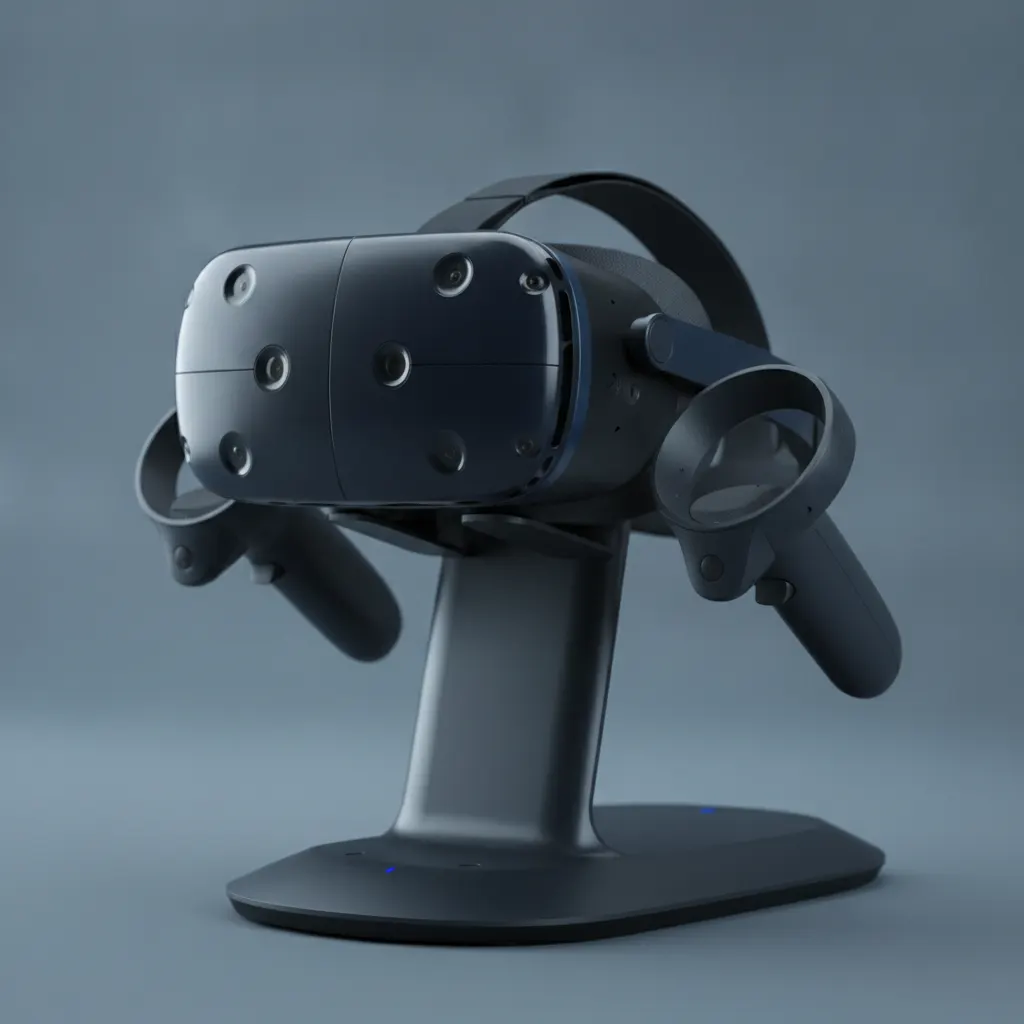
- HTC Vive Pro headsets and tracked controllers for precise 3D interaction.
- 12 VR escape rooms designed for 1–6 players per mission.
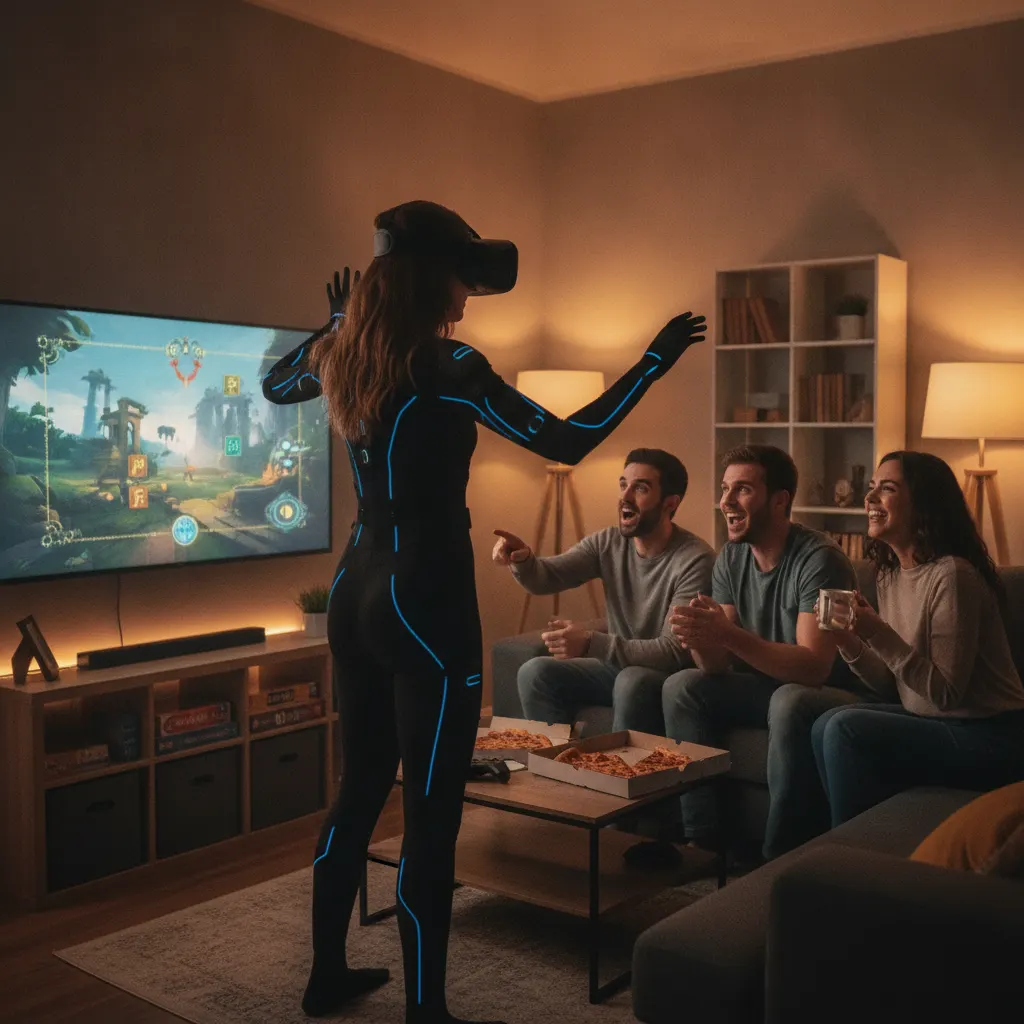
- Private party room with lounge seating and large TVs for spectators.
- Open seven days with easy online reservations via a simple booking flow.
For deeper context on genres and difficulty, see our VR arcade gaming guide and the companion new VR games guide for 2026 picks.
What Is a VR Gaming Experience?
A VR gaming experience is interactive play inside a simulated 3D world using a headset and tracked controllers. At The Next Level, room-scale tracking lets you move naturally, use your hands, collaborate with friends, and switch between genres—from action to art—within minutes.
Think of VR as stepping through a screen into a space you control. Head position, hand movement, and your real steps map to a virtual world. That mapping is why simple actions—like ducking behind a crate or reaching for a lever—feel immediately intuitive.
- Head-mounted display (HMD): HTC Vive Pro shows stereoscopic images at high refresh rates for realism.
- Motion controllers: Track hand position and rotation for grabbing, pointing, blocking, or drawing.
- Room-scale tracking: Sensors translate your steps within a pod’s ~9×9 footprint.
- Game engine: Software renders physics, sound, and interaction in real time.
In our venue, you can jump from a 2-minute warm-up to a 10–12 minute action wave, then reset with a 3–5 minute creative app—keeping attention high and motion comfortable.
Explore how realism works in our virtual reality experience guide, which breaks down presence, scale, and interaction loops.
Why VR Gaming Matters
VR matters because it blends physical movement, cognitive challenge, and social play in one session. Families, schools, and teams can align mixed skill levels by choosing difficulty, session length, and cooperative goals—making VR inclusive and memorable for groups of 1–6 players.
Here’s the thing: most activities either over-index on screen time or on physical effort. VR balances both, and you can scale intensity from calm exploration to sweaty arena combat.
- For families: Share a pod, rotate turns every 5–10 minutes, and watch on TVs in the party room.
- For schools: Run 15–20 minute learning modules—ancient history tours, science demos, or art creation.
- For teams: Cooperative missions require clear roles, timed decisions, and communication.
- For gamers: Leaderboards, high-score chases, and 1–6 player co-op bring replay value.
When we host corporate groups, we often see communication gains in the first 30 minutes as teams iterate roles (navigator, spotter, solver). That structure carries over into the workplace.
To align your visit with goals—fun, learning, or team building—skim our immersive experiences overview and match outcomes to game types.
How VR Works at The Next Level
We use HTC Vive Pro headsets with room-scale tracking and motion controllers across 22 pods. Staff calibrate your height, IPD, and guardian boundaries in minutes, then help you choose titles and swap games quickly so your session includes warm-up, peak challenge, and cool-down.
Under the hood, your headset displays two perspectives (one per eye), while base stations measure movement within a pod’s ~9×9 area. That yields low-latency tracking for natural hand-eye coordination.
- Set up: Fit the headset snugly, adjust IPD, and confirm clear visuals.
- Calibration: We set boundaries and run a 30–60 second tracking test.
- Controls: Learn grip, trigger, teleport, and snap-turn in 2 minutes.
- Game flow: Alternate 8–12 minute peaks with brief resets for comfort.
For multiplayer, pods can be networked so friends share the same world. Our 12 escape rooms synchronize puzzles across 1–6 players, with visual feedback on wall-mounted TVs in the party room for spectators.
Want a deeper tech explainer? See our VR gaming guide that covers tracking fidelity and comfort options.
Types of Experiences at The Next Level
Choose from action, adventure, rhythm, sports, creative apps, simulators, party-friendly titles, and 12 dedicated VR escape rooms. Sessions can be solo or 1–6 players, with quick swaps that keep energy high and match each person’s skill and comfort level.
Action and Arena
- Wave defenders: Short, intense 8–10 minute rounds—great icebreakers.
- Arena duels: Room-scale movement with quick matches; rotate every 1–2 rounds.
- Co-op shooters: Clear roles: tank, medic, scout; celebrate wins on the party room TVs.
Adventure and Story
- Puzzle-platformers: Traverse levels with teleport or smooth locomotion.
- Exploration tours: World discovery with light tasks; ideal for 10–15 minute segments.
- Stealth missions: Encourage teamwork—spotters watch on TV and call out paths.
Rhythm and Fitness
- Beat slicing: Calibrated difficulty ramps heart rate in 2–3 songs.
- Dance modes: Fun for groups; rotate dancers every 2 tracks.
- Boxing and dodging: Combine footwork with upper-body movement.
Sports and Competitive
- Target challenges: Archery or disc throwing for precision.
- Table sports: Tennis or paddle games with rapid rallies.
- Racing simulators: Time trials and ghost races for head-to-head play.
Creative and Educational
- 3D art and sculpting: Build in 3–5 minute sprints for turn-taking.
- Science demos: Visualize atoms, forces, or ecosystems in 10–12 minutes.
- History scenes: Walk ancient streets or museums, then debrief in the lounge.
VR Escape Rooms (1–6 players)
- Theme variety: Heists, haunted labs, space stations—12 missions to choose from.
- Co-op design: Roles emerge (navigator, code-breaker, runner) within 5 minutes.
- Shared viewing: Large TVs help spectators follow progress and cheer.
Ready to shortlist games? Skim our quick VR headset games guide and the broader virtual gaming guide with age-friendly filters.
Step-by-Step: Your First Visit
Arrive a few minutes early, check in, fit the headset, learn core controls, and start with a short warm-up game. Then run 2–3 peak rounds, swap titles to match energy, and finish with a cool-down or a quick photo moment in the party room lounge.
- Arrival and check-in: Staff confirm your group size (up to 1–6 for escape rooms) and goals.
- Orientation: Controls demo in 2–3 minutes (grip, trigger, teleport, turn).
- Warm-up: Low-intensity app for 3–5 minutes to settle balance.
- First peak: Action or rhythm title for 8–12 minutes; watch your posture and breathing.
- Swap or scale: Shift to co-op or reduce motion for comfort.
- Second peak: Try a different genre to showcase variety.
- Cool-down: Creative or exploration title; review highlights on TVs.
- Wrap-up: Clean gear, capture a group photo in the lounge.
| Experience | Best For | Typical Session | Group Size |
|---|---|---|---|
| Personal Gaming Pod | Solo variety or skill-building | 3–5 min warm-up + 8–12 min peaks | 1 player (spectators welcome) |
| Multiplayer Session | Friends or families rotating | Short matches, quick swaps | 2–4 players (rotate others) |
| VR Escape Room | Cooperative puzzle solving | Timed mission with roles | 1–6 players |
| Party Room + Pods | Birthdays and team building | Pods + lounge viewing | Flexible group flow |
Event planners often use virtual venue tours to preview flow and spectator space; you can explore general benefits of that approach in this overview of virtual venue tour benefits.
Best Practices for Comfort, Safety, and High Scores
Balance intensity with recovery, favor clear lines of sight, and communicate roles. Adjust the headset for clarity, hydrate between rounds, and switch genres every 10–12 minutes. For groups, assign navigator, solver, and runner roles to lift completion rates in cooperative games.
Comfort and Motion
- Fit matters: Re-center optics and straps until text and edges look sharp.
- Start steady: Teleport or snap-turn first; add smooth movement later.
- Break cadence: Use 2–3 minute micro-breaks after peaks.
Safety and Space
- Mind boundaries: Keep within the pod’s ~9×9 guardian grid.
- Cable awareness: Reset stance between waves; check for tangles.
- Spectator zone: Use the lounge and large TVs for viewing.
Performance and Teamwork
- Role clarity: Assign tasks in the first 60 seconds of a mission.
- Short calls: One-word cues—”left,” “code,” “lever”—speed decisions.
- Score sprints: Chase leaderboards in 3–5 round sets, then review.
Want genre-specific techniques? Our VR experience guide outlines rhythm timing, shooter reloads, and puzzle triage.
Tools and Resources
Expect premium HTC Vive Pro headsets, tracked controllers, and networked pods for multiplayer. Online booking streamlines arrival, while the party room’s lounge seating and large TVs support mixed groups, spectating, and debriefs after 1–6 player sessions.
- Headsets and controllers: High-resolution HMDs plus precise tracking sensors.
- Pods: 22 dedicated play spaces; staff can link pods for co-op.
- Party room: Lounge seating, large TVs, and shared viewing.
- Booking: Simple online reservations help time arrivals and transitions.
- Orientation: A 2–3 minute briefing accelerates first-time comfort.
For a London-wide view of experiences, see our virtual reality entertainment page and area-focused virtual gaming room guide.
Case Studies and Local Tips
Groups in Old East Village use VR to celebrate birthdays, kick-start team building, and enrich school trips. The Next Level’s 22 pods, 12 escape rooms, and private party room help coordinators handle 1–6 player rotations, spectator viewing, and fast game swaps that fit tight schedules.
Birthday party flow
- Kickoff: Welcome, group photo, and a 3–5 minute rhythm warm-up.
- Peaks: Two action titles at 8–12 minutes each; rotate guests.
- Finale: Short creative app; watch highlights on the lounge TVs.
Parents love that the party room keeps the whole group engaged—even those between turns.
Team building sprint
- Brief: Define roles in 60 seconds (navigator, solver, runner).
- Mission: Pick a 1–6 player escape room; measure completion rate.
- Retro: Debrief in the lounge; identify one behavior to bring back to work.
Many teams report better handoffs after just 30 minutes of cooperative play.
School group rotation
- Stations: Pods split into history, science, and art creation modules.
- Timing: 10–15 minute segments with 2–3 minute transitions.
- Assessment: Exit tickets or quick reflections on what students learned.
Local considerations for Old East Village
- Plan buffer time if your group will also visit the London Children’s Museum; kids often want extra turns after seeing VR highlights.
- Winter weekends book fast; aim for midweek afternoons when coordinating 1–6 player school rotations.
- For corporate socials, consider a short walk to Silverwoods Park before or after your session to reset energy between VR blocks.
Event planners exploring virtual previews can review emerging virtual tour technology trends to speed up stakeholder buy-in.
Frequently Asked Questions
New to VR in Old East Village? These quick answers cover headset comfort, age guidance, motion sensitivity, and how groups of 1–6 players can rotate smoothly between games, escape rooms, and the party room lounge.
What should I wear for a VR session?
Choose comfortable clothing and secure footwear. Avoid long dangling accessories and high-volume hairstyles that may interfere with the headset fit. A light layer helps regulate temperature during 8–12 minute activity bursts.
Can first-time players handle VR escape rooms?
Yes. Staff run a 2–3 minute controls demo and recommend an entry-level mission if needed. Escape rooms at The Next Level support 1–6 players, so roles and teamwork help newcomers contribute right away.
How do you reduce motion sensitivity?
Start with teleport movement, snap-turns, and short sessions. Keep the headset snug, maintain a steady stance, and take 2–3 minute breaks after peak rounds. Choose comfort-rated titles first, then add intensity gradually.
Is spectating possible while someone plays?
Absolutely. The private party room includes large wall-mounted TVs so family and friends can follow progress, call out tips, and cheer. Spectating keeps energy high and helps rotate 1–6 player groups smoothly.
What group sizes work best?
For escape rooms, 2–4 players is a sweet spot, but missions support 1–6 players. For parties or school trips, use multiple pods and the lounge to rotate turns every 5–10 minutes so everyone stays engaged.
For general planning info, our own FAQ overview covers arrival, check-in, and accessibility.
Key Takeaways and Next Steps
Pick beginner-friendly titles, fit the headset well, and rotate games every 10–12 minutes. For groups, assign roles early and use the party room for spectating. In Old East Village, The Next Level’s 22 pods and 12 escape rooms make planning fast and flexible.
- Start simple: Warm-ups first, then a short peak round.
- Mix genres: Action, rhythm, and creative keep energy balanced.
- Use roles: Navigator, solver, runner lift completion rates.
- Lean on staff: We help calibrate gear and suggest titles.
Curious where to begin? Browse our virtual reality entertainment overview or skim the VR arcade gaming guide to match experiences to your group.
Conclusion: Plan Your Visit in Old East Village
A successful VR gaming experience blends smart game choices, good pacing, and clear roles. With 22 pods, 12 escape rooms, and a spectator-friendly party room, The Next Level in Old East Village makes planning birthdays, team offsites, and school trips straightforward and fun.
Here’s why this matters: you’re not just “trying VR”—you’re creating a shared memory. The layout, the ~9×9 pods, and the 1–6 player mission design let everyone participate, regardless of skill level.
- Middle-of-article soft CTA: If you’re coordinating a celebration or offsite, explore how virtual walk-throughs can help you plan spectator space and timing; this primer on virtual venue tours highlights decision-making advantages.
- Final CTA: Ready to explore? Stop by our Old East Village location inside The Factory London and ask our team to set up a beginner-friendly sequence with one action title, one rhythm title, and a creative cool-down.