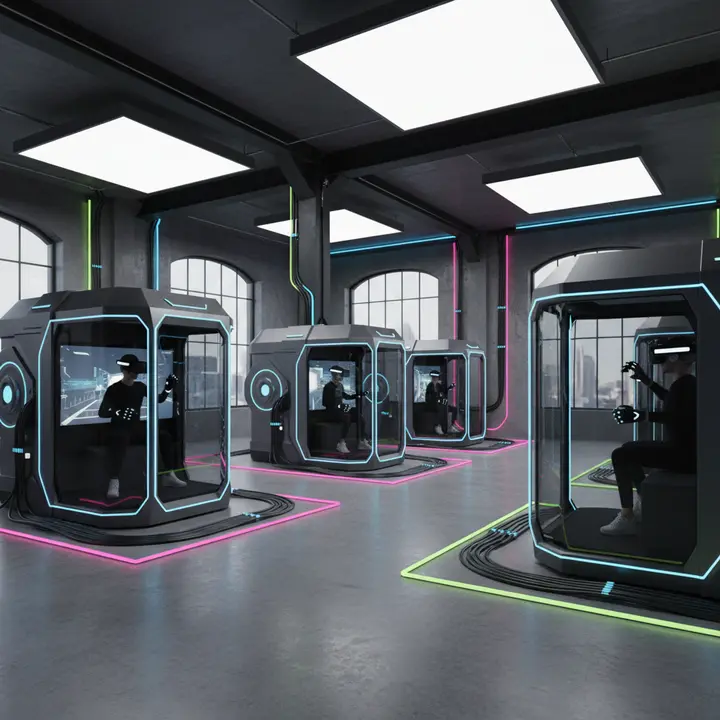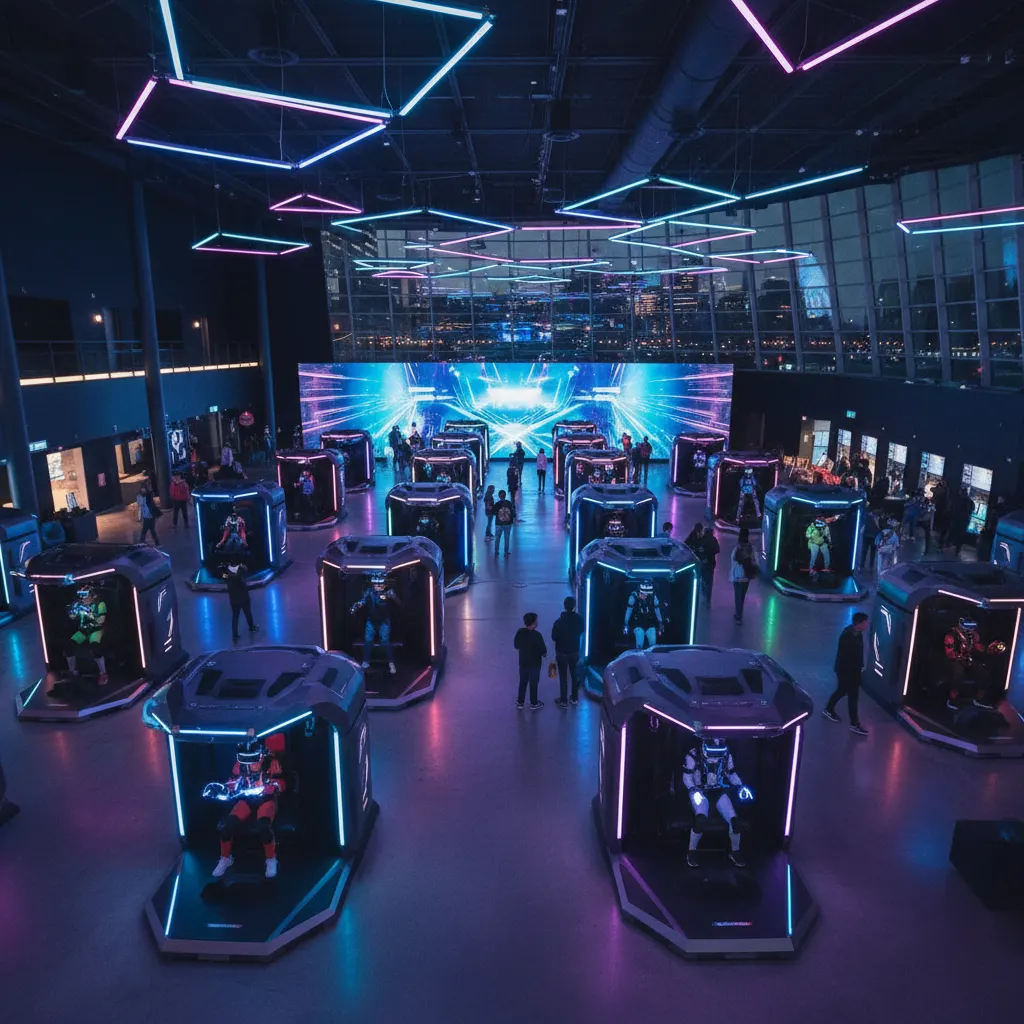
“Virtual reality gaming experience” refers to playing interactive games inside a 360-degree digital world using a VR headset, motion controllers, and room‑scale tracking. At The Next Level inside The Factory (100 Kellogg Lane) in London’s Old East Village, you’ll step into curated worlds using HTC Vive Pro gear—ideal for first-timers and seasoned gamers alike.
By The Next Level • Last updated: 2026-05-23
Above-Fold: Hook, Promise, and What You’ll Learn
Your first VR session should feel effortless and unforgettable. This guide explains how VR works, how to prepare, the differences between gaming pods and VR escape rooms, and how to plan birthdays, school trips, or team-building at The Next Level. Use it to nail your first try with confidence.
VR can be thrilling, social, and simple—when you know what to expect. In our 22 gaming pods across 4,000+ square feet, guests of all ages find something they love, from creative art apps to zombie survival co-op.
- Understand what a complete virtual reality gaming experience includes
- Learn how room‑scale tracking, controllers, and content work together
- Compare gaming pods, multiplayer sessions, and 12 VR escape rooms
- Get first‑timer tips for comfort, hygiene, and motion confidence
- Plan birthdays, school trips, or corporate team events that flow
Quick Summary
A great VR visit blends the right headset fit, clear goals (learn, compete, create), and a session type that matches your group. At The Next Level, choose a personal pod for variety, or a VR escape room for teamwork. Book online, arrive early, and expect hands-on staff support.
The Next Level operates seven days a week with HTC Vive Pro headsets, room‑scale tracking, and a massive, continuously updated game library. Choose from 30‑minute or longer play windows in individual pods, or select from 12 escape rooms for 1–6 players. Our team guides you from check‑in through your victory dance.
What Is a Virtual Reality Gaming Experience?
A virtual reality gaming experience is interactive play inside a 3D digital environment using a VR headset and motion controllers. Players see, move, and act in 360 degrees while room‑scale tracking maps body movement. The result is full‑body immersion—ideal for creative, competitive, and cooperative games.
In practice, VR replaces your field of view with a responsive world and translates your hand and head motion into the scene. At The Next Level, that immersion happens in 22 dedicated gaming pods and 12 themed VR escape rooms. Our staff helps you fit the headset, adjust lenses, and learn controller gestures in minutes.
- Hardware: HTC Vive Pro headsets plus motion controllers track your head and hand positions.
- Playspace: Room‑scale tracking supports natural movement inside each pod.
- Software: A curated library spanning action, sports, rhythm, art, education, and puzzle adventures.
- Support: On-floor staff coach first-timers, monitor safety, and suggest games by age/interest.
Because everything is spatial and responsive, people pick it up fast. Within 2–3 minutes, most first‑time guests are slicing beats, painting in 3D space, or teaming up to fend off waves of enemies—smiling the whole time.
Why Virtual Reality Gaming Matters for Fun, Learning, and Team Play
VR matters because it combines play, learning, and social connection in one medium. It’s active, engaging, and inclusive. People who don’t usually game can participate, while enthusiasts can push limits. That blend makes VR perfect for birthdays, school trips, and corporate team building.
VR is more than “new tech.” It’s a shared stage where movement and presence create natural collaboration. In our experience running 22 pods and 12 escape rooms, mixed‑skill groups consistently find common ground. Parents discover art apps. Teens chase leaderboards. Teams learn to communicate under time pressure.
- Active play: You move, reach, and turn—engaging more than just thumbs on buttons.
- Inclusive design: Difficulty scales by title; staff match games to comfort and skill level.
- Memorable events: Spectators watch on large TVs in our private party room, keeping everyone involved.
- Real teamwork: Escape rooms demand roles—navigator, solver, communicator—under a shared clock.
For schools, VR turns abstract ideas into lived moments—world geography, science simulations, or historical vistas. For companies, it builds trust as colleagues solve puzzles together and celebrate fast wins.
How VR Works at The Next Level (Hardware, Tracking, and Content)
VR works by replacing your view with a stereoscopic display while sensors track head and hand movement in real time. At The Next Level, HTC Vive Pro headsets and room‑scale tracking map your motion with precision, enabling natural interactions across a large content library curated for all ages.
Great sessions start with fit and orientation. Our staff helps you position the headset, adjust interpupillary distance, and test a few gestures. Within minutes, you’ll feel grounded and ready to explore. Precision tracking keeps your in‑game hands aligned with your real ones, which is why action and rhythm titles feel instinctive.
- Headset fit: Snug, balanced placement improves clarity and comfort over longer sessions.
- Room‑scale safety: Each pod has defined boundaries; visual cues prevent bumping into edges.
- Controller mapping: Triggers, grips, and touchpads act like grabbing, pointing, or throwing.
- Content curation: We maintain an ever‑fresh library so returning guests always have new options.
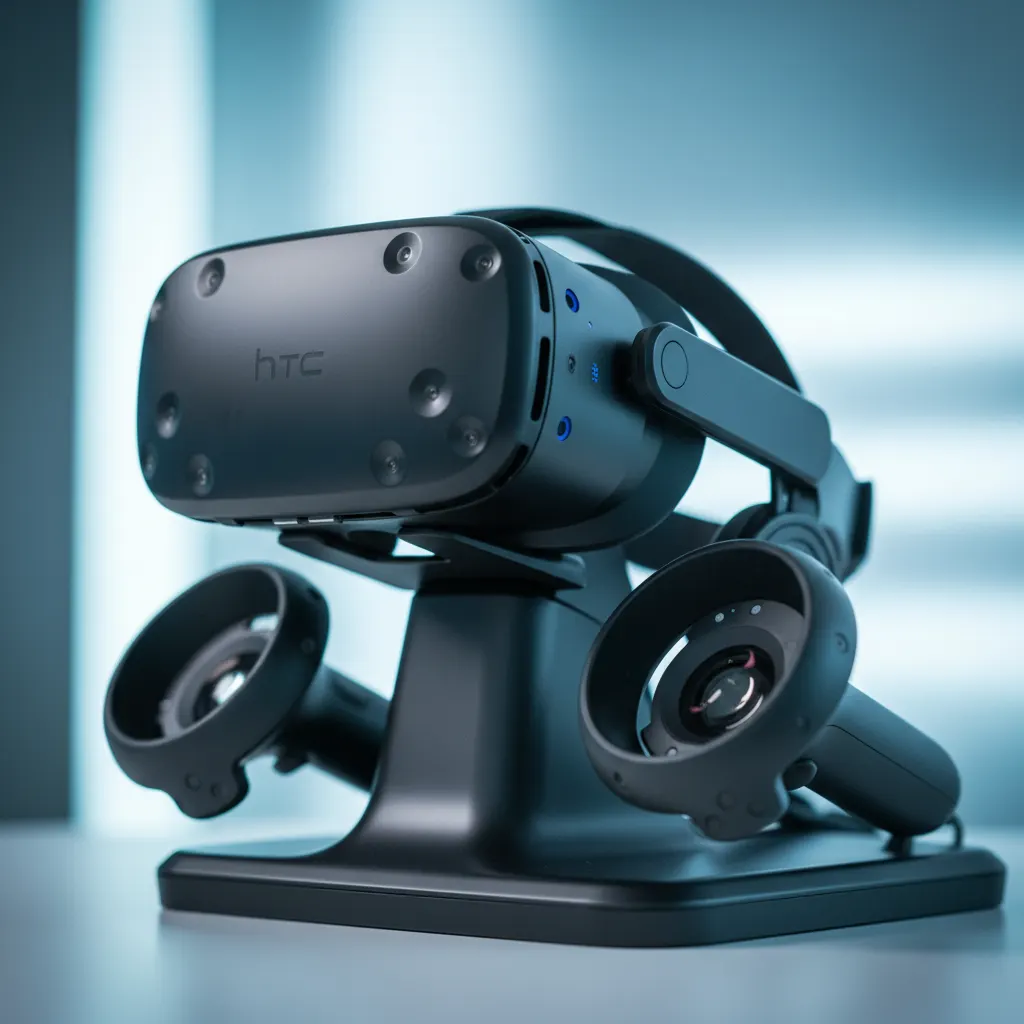
Want a deeper dive into the hardware side? See a clear breakdown of Vive Pro features and how room‑scale tracking works in practice. The net effect is simple: your movements feel natural, and the world responds instantly, creating presence.
Types of VR Experiences: Pods, Multiplayer, and VR Escape Rooms
Pick a personal gaming pod for variety and quick onboarding, book a VR escape room for teamwork, or set up multiplayer to compete or cooperate. With 22 pods and 12 escape rooms, The Next Level supports solo exploration, co‑op strategy, and high‑energy party play across dozens of titles.
Choosing the right mode amplifies fun. Pods maximize flexibility—you can try rhythm, sports, creative, and action in one visit. Escape rooms push collaboration; they’re built for 1–6 players who enjoy communicating under a clock. Multiplayer sessions add friendly rivalry or shared missions for families and friend groups.
- Personal gaming pods (22 available): Fast orientation, genre‑hopping, and private space.
- Multiplayer setups: Connect adjacent pods for co‑op or head‑to‑head fun.
- VR escape rooms (12 themes): Story-driven puzzles, clear roles, and epic “we did it!” moments.
- Party room viewing: Lounge seating and large TVs keep spectators engaged between rounds.
Want inspiration before you arrive? Browse our deep VR arcade games lineup and skim this VR arcade gaming guide to match titles with age and comfort level. If you’re leaning toward puzzles, explore our VR escape rooms in London.
Pods vs. Escape Rooms vs. Party Room (Quick Comparison)
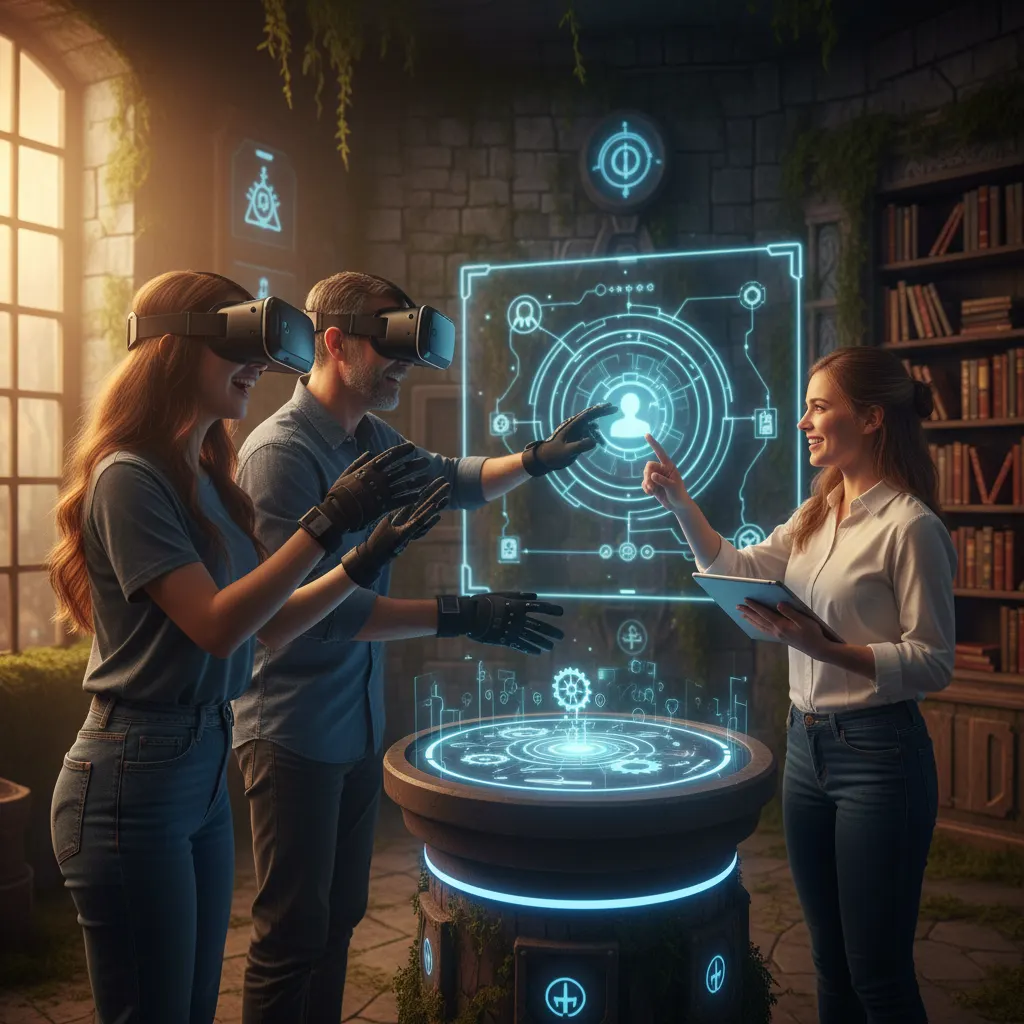
Pods offer maximum variety and easy onboarding. Escape rooms deliver structured teamwork for 1–6 players. The party room adds lounge seating and shared TV viewing to make birthdays and corporate socials flow. Pair pods plus party room for the most flexible group experience.
| Option | Ideal For | Group Size | Movement Style | Social Factor | Staff Support |
|---|---|---|---|---|---|
| Personal Gaming Pods | First‑timers, genre variety, quick wins | 1 per pod (connect pods for multiplayer) | Room‑scale; natural hand/arm movement | Private play with easy spectating | Onboarding and live assistance |
| VR Escape Rooms | Teamwork, story-driven challenges | 1–6 players per theme | Exploration, pointing, grabbing objects | High collaboration and communication | Briefing, hints, and coaching |
| Private Party Room | Birthdays, corporate socials, school trips | Flexible; rotates groups in/out of pods | Spectating with light rotation logistics | Shared TVs, lounge seating | Staff help coordinate flow |
For a smooth birthday or team event, combine 2–4 pods with the party room so players rotate while others cheer. For puzzle lovers, schedule an escape room block, then celebrate in the lounge.
First‑Time Best Practices: Comfort, Confidence, and Safety
Start with an easy title, focus on headset fit, and take short breathers as you switch games. Our staff monitors the floor and offers coaching so first‑timers stay comfortable. Within minutes, you’ll move naturally, communicate clearly, and enjoy that “wow” moment with your group.
Comfort drives confidence. A well‑fitted headset and a couple of practice motions (reach, grab, point, swing) make the first five minutes count. We recommend rhythm or casual sports to learn timing and tracking before you dive into faster action.
- Headset fit: Ask for micro‑adjustments—clarity improves when lenses align with your eyes.
- Starter games: Rhythm or casual titles build timing without overwhelming you.
- Breathers: Pause between titles to reset balance and celebrate wins.
- Etiquette: In co‑op, call out roles; in versus modes, keep turns snappy for the next player.
- Hygiene: We sanitize contact surfaces; if you wear glasses, tell us so we can help with spacing.
Want more prep tips? Our gaming pod setup guide walks through space boundaries, controller functions, and quick drills you can learn in under a minute.
Tools and Resources You’ll Use at The Next Level
You’ll use HTC Vive Pro headsets, motion controllers, and room‑scale tracking inside 22 pods and 12 escape rooms. The team curates a large library, matches titles to your goals, and supports birthdays, school trips, and corporate outings with a private party room and spectator displays.
Our hardware and layout are designed for flow. Pods provide privacy and safety boundaries; the party room keeps the whole group engaged. The library spans action, sports, rhythm, art, creative building, education, and puzzle adventures, so families and teams can split by interest then reconvene to share highlights.
- Headsets: Vive Pro for clarity and comfortable fit.
- Controllers: Natural gestures—grab, point, throw, swing.
- Library: Dozens of titles with new additions frequently.
- Events: Private party room with lounge seating and large TVs.
- Support: Staff help with onboarding, hints, and game selection.
Exploring with a classroom or corporate team? Use our VR arcade in London, Ontario overview to align dates and session formats.
How to Plan Your First Visit (Step‑by‑Step)
Decide who’s playing, pick pods or a VR escape room, and book your time. Arrive 10–15 minutes early for orientation. Start with an easy title, rotate players, and use the party room for spectating. You’ll leave with shareable highlights and a plan for your next challenge.
- Define the group: Solo explorer, family, birthday, school class, or corporate team?
- Pick the format: Pods for variety; escape room for structured teamwork.
- Choose 2–3 starter titles: Rhythm, creative, or sports for quick wins.
- Book online: Reserve your preferred timeslot; larger groups coordinate pods and party room.
- Arrive early: Fit headsets, review boundaries, practice gestures.
- Rotate and support: Cheering from the lounge keeps energy high.
- Celebrate and recap: Capture favorite moments and plan a rematch.
If your event involves multiple stakeholders, a quick virtual walk‑through can help. See how virtual tour tech speeds planning by aligning expectations early—then apply the same idea when organizing your pods and viewing area.
Plan Your Visit: Old East Village and Middlesex County
The Next Level sits inside The Factory at 100 Kellogg Lane in Old East Village, a central spot in Middlesex County. Plan a buffer before and after your session, coordinate rides, and consider nearby attractions to round out your day with family, classmates, or colleagues.
Parking and arrival are straightforward, and our team helps you settle in quickly. Many guests combine VR with a neighborhood stop before or after to keep the day moving smoothly. If you’re hosting kids or a mixed‑age group, plan breaks and snacks between rotations in the party room.
Local considerations for Old East Village
- Make it a mini‑itinerary by pairing your session with the nearby London Children’s Museum for families who want hands‑on learning before or after VR.
- Weekends and school breaks are popular; reserve ahead and plan group arrival windows to streamline check‑in and headset fitting.
- For corporate teams, set clear goals (collaboration vs. competition) and share roles in advance so you hit the ground running when you arrive.
Real‑World Examples: Birthdays, Corporate Teams, and School Trips
Birthdays thrive on variety and spectating, corporate teams on collaboration, and school trips on discovery. With 22 pods, 12 escape rooms, and a private party room, The Next Level adapts formats so every group gets an experience that fits their goals and energy.
Birthday party rotation
A group uses the party room as home base. Four pods run simultaneously while others watch on large TVs, then rotate every few minutes. Staff suggest rhythm and sports for warm‑ups, then a co‑op wave defense to end with a shared victory.
Corporate team challenge
Two squads tackle separate escape rooms, trading progress reports at halftime. Teams assign roles—navigator, puzzle‑solver, communicator—and practice concise callouts. When they reunite in the lounge, conversations naturally shift to how they coordinated under pressure.
School field trip
Students split between creative apps and educational simulations, then swap to experience both. Teachers anchor lessons by asking each student to explain a concept they “felt” in VR—turning abstract ideas into first‑person narratives.
To spark ideas for your group, scan our VR arcade London Ontario overview and the curated game lineup for age‑friendly picks.
Troubleshooting and Motion Confidence
If you feel unsteady, slow down and pick a stationary title first. Ask staff for lens or strap adjustments, and use gradual turns instead of quick spins. Short resets between games help most first‑timers feel rock‑solid within minutes.
Comfort is a skill you build fast. We guide you to titles where motion and balance are intuitive, then ramp up. A few deep breaths, a slower pace, and precise headset fit usually restore confidence quickly.
- Start stationary: Rhythm or creative apps reduce artificial movement.
- Adjust fit: Clearer visuals reduce fatigue and help balance.
- Use snap turns: Quick, discrete turns can feel steadier than smooth rotation.
- Hydrate and reset: Short breaks re‑center most guests.
Our floor staff constantly checks in. Don’t hesitate to wave us over—we’re here to fine‑tune your experience in real time.
Plan Your Session with a Quick Chat
Not sure which format fits your group? Tell us your goals and headcount. We’ll recommend pods, escape rooms, or a party‑room combo and outline a smooth rotation plan so everyone has a blast from minute one.
Have a date in mind, or still comparing ideas? Share your group size, age range, and whether you prefer collaboration or competition. We’ll map a session plan you can book online in minutes and walk in confident.
How This Fits Your VR Arcade Journey
A strong first visit unlocks the broader VR arcade world—more genres, team formats, and skill paths. With 22 pods and 12 escape rooms, The Next Level gives you room to grow, revisit favorites, and try new challenges each time.
Think of your first session as onboarding. After that, you can chase high scores, specialize in rhythm or sports, or run the full gauntlet of escape room themes. To keep exploring, browse our arcade games and the gaming guide for next‑level picks.
Frequently Asked Questions
New to VR? These quick answers cover session types, ages, motion comfort, and group logistics at The Next Level. If you still have questions, our team will tailor advice to your goals and schedule.
What is the best first VR game for beginners?
Start with rhythm or casual sports. They teach timing and hand‑eye coordination without complex locomotion. After a few minutes, most players are ready for action or co‑op wave defense. Our staff will match titles to age and comfort level.
How many people can play together?
In pods, one player uses a headset at a time, but you can connect pods for multiplayer. VR escape rooms support 1–6 players per theme. Use the party room to rotate groups and keep spectators engaged with large TV displays.
Can first‑timers handle a VR escape room?
Yes. We brief the mechanics, define roles, and offer hints. Many first‑time groups clear early puzzles within minutes. If your team prefers a warm‑up, try rhythm or creative titles in pods, then jump into a story‑driven challenge.
How do you prevent motion discomfort?
We start with stationary experiences, ensure headset clarity, and teach techniques like snap turning. Short resets between titles help. If you feel unsteady, tell a staff member—small adjustments usually bring comfort back fast.
Key Takeaways
Choose the right format (pods vs. escape room), start with easy titles, and lean on staff coaching. With 22 pods, 12 escape rooms, and a private party room, The Next Level makes first‑time VR simple, social, and memorable in London’s Old East Village.
- Virtual reality gaming experience = headset + controllers + room‑scale worlds
- Pods for variety; escape rooms for teamwork; party room for flow
- Arrive early, fit the headset, start with rhythm/sports
- Use short breathers and rotate players to keep energy high
- Plan goals by group: birthdays, classrooms, or team building
Conclusion: Your First VR Session, Done Right
Set clear goals, pick the right format, and trust our staff to guide you. The Next Level’s 22 pods, 12 escape rooms, and private party room make it easy for families, schools, and teams to have a standout first experience—and a reason to return.
Here’s the simple recipe: define your group, book your time, arrive early, start easy, and celebrate together. Whether you’re chasing high scores, solving puzzles, or creating art in 3D space, we’ll help you find your stride and make memories at 100 Kellogg Lane.