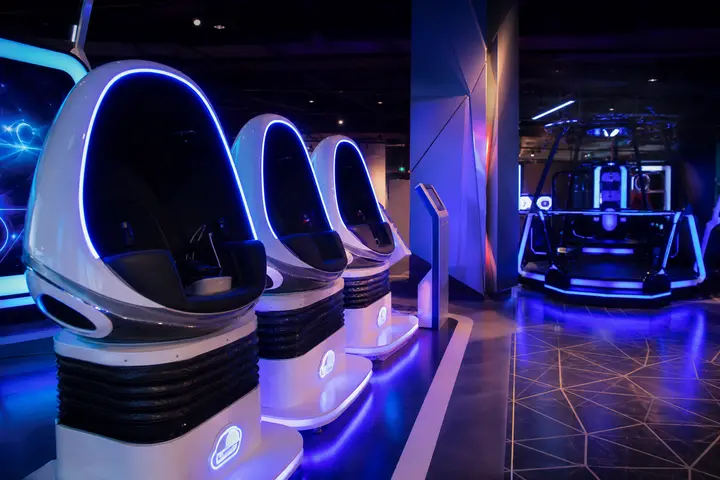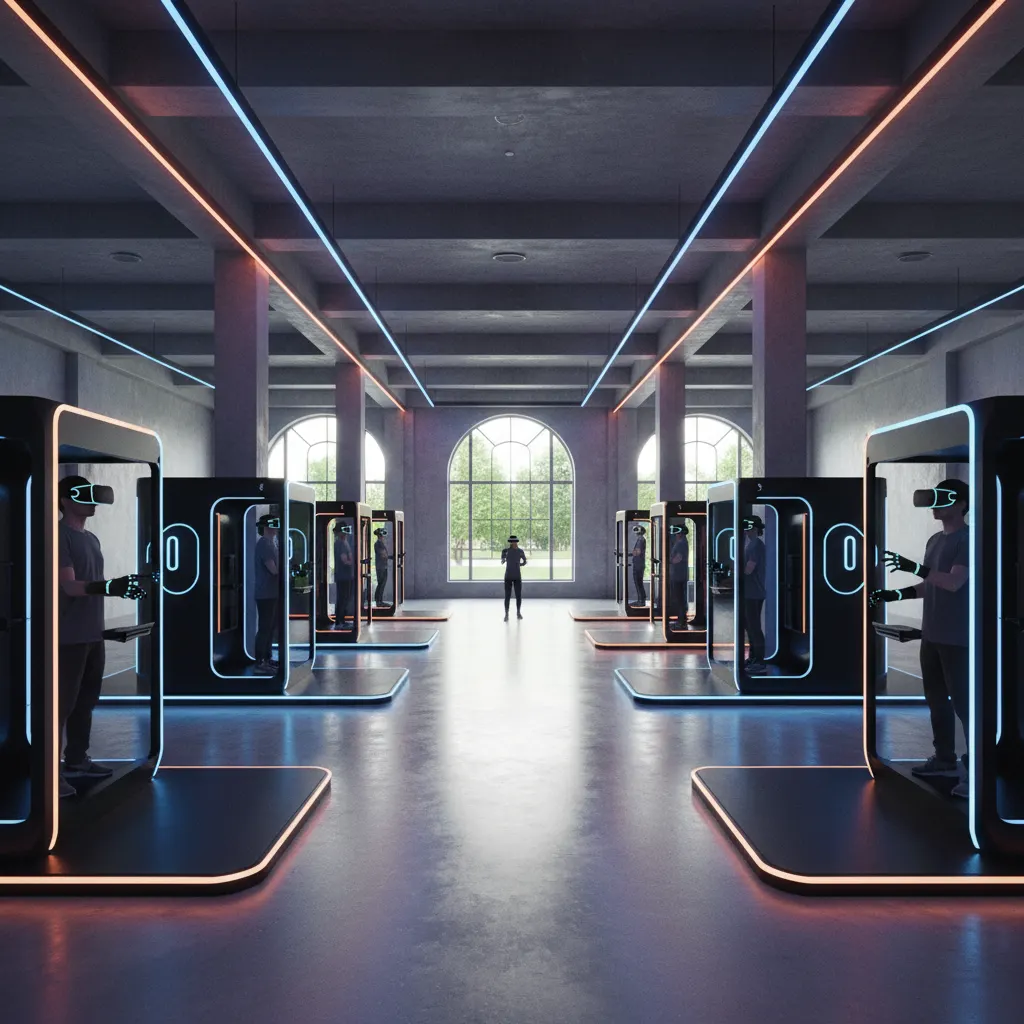
A virtual reality pod is an individual, room‑scale VR station equipped with a headset and motion controllers for one player at a time. At The Next Level inside The Factory at 100 Kellogg Lane in London’s Old East Village, pods run on HTC Vive Pro hardware to deliver immersive games, creative tools, and multiplayer sessions smoothly and safely.
By The Next Level • Last updated: 2026-05-19
Overview and Table of Contents
This guide explains how virtual reality pods work, why they’re great for groups, and how to plan a smooth visit to The Next Level in London, Ontario. You’ll learn setup basics, safety, multiplayer flow, escape room options, and expert tips for birthdays, team events, and school trips.
Here’s what you’ll find in this complete, practical guide. Use the quick links to jump to what matters now.
- What is a virtual reality pod?
- Why VR pods matter for groups
- How a pod works at The Next Level
- Types of pods and setups
- Best practices for smooth sessions
- Tools, resources, and readiness
- Case studies and real examples
- Frequently Asked Questions
- Key Takeaways
What Is a Virtual Reality Pod?
A virtual reality pod is a self-contained VR play space—typically a nine‑foot square—outfitted with a high‑end headset, motion controllers, and room‑scale tracking. Each pod hosts one active player while friends spectate nearby. At The Next Level, 22 pods run HTC Vive Pro for crystal‑clear visuals and precise tracking.
Think of a VR pod as your personal holodeck: a dedicated square where you can move, reach, and turn naturally while the system translates motion into the game world. One active player uses the headset; nearby friends follow gameplay on displays and rotate in smoothly.
- Defined space: Personal boundary keeps movement safe and comfortable.
- Headset + controllers: Full hand presence for aiming, grabbing, painting, or conducting lab experiments.
- Room‑scale tracking: Sensors map your position in 3D so steps in the pod feel like steps in the game.
- One-at-a-time play: Friends spectate and tag in—great for families and mixed skill levels.
Self-contained spaces also prevent cable tangles and input mix‑ups. With 22 pods across 4,000+ square feet, The Next Level scales easily for birthdays, school visits, or team‑building days.
Why VR Pods Matter for Groups
VR pods keep groups moving without chaos. With one active player per pod and spectator viewing on nearby screens, rotations stay fair, engagement stays high, and setup time stays low—ideal for birthdays, corporate teams, and school groups at The Next Level.
Groups succeed when everyone gets a turn, nobody feels left behind, and switching players is fast. Pods solve all three by design. They work especially well for blended audiences: kids and adults, first‑timers and enthusiasts, gamers and non‑gamers.
- Predictable rotations: One player in, one player out—easy to manage for 4–12 guests across multiple pods.
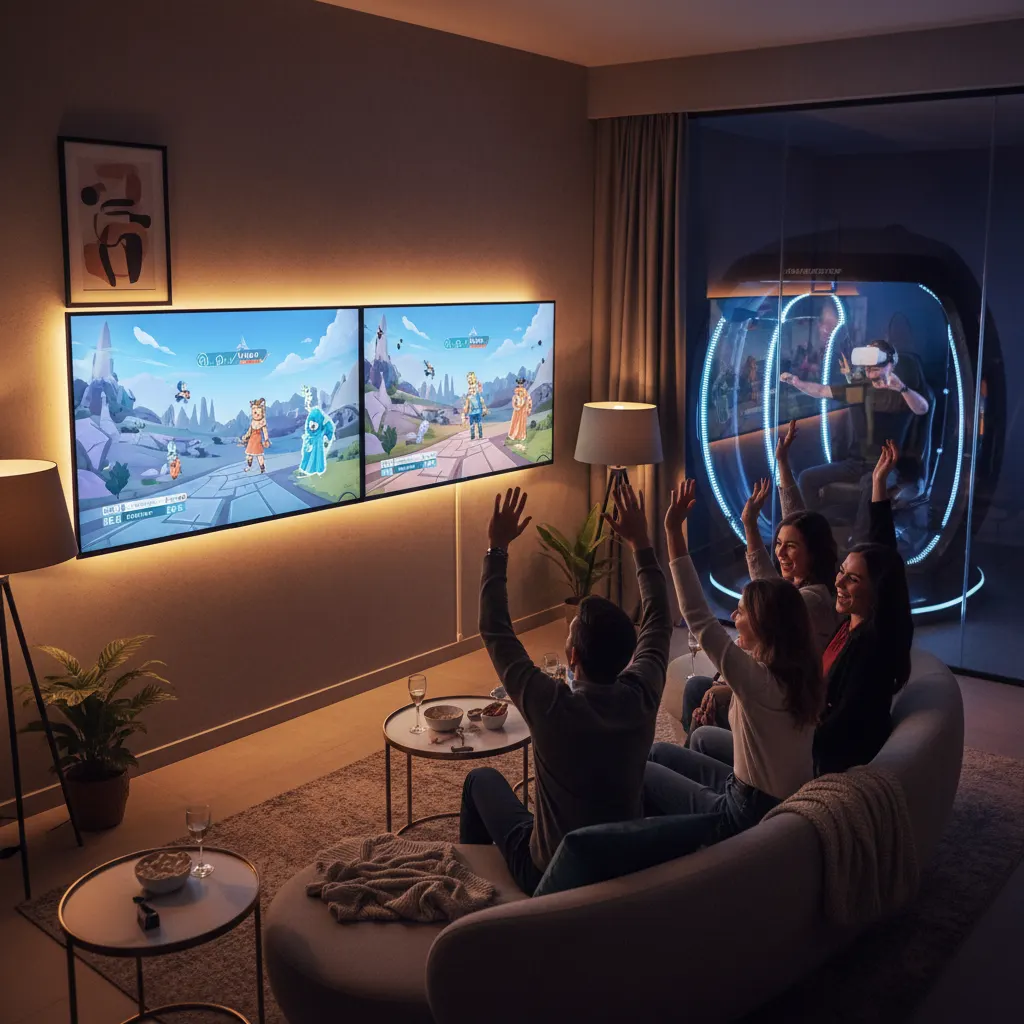
- Spectator friendly: Large screens in the private party room let everyone share the moment as if courtside.
- Content breadth: Action, creative, educational, and multiplayer titles ensure every guest finds a fit.
- Scale on demand: With 22 pods and 12 VR escape rooms (1–6 players), capacity flexes with your plan.
In our experience hosting London, Ontario groups seven days a week, pods reduce downtime and keep energy high. That’s the difference between “fun afternoon” and “legendary memory.”
How a Pod Works at The Next Level
At The Next Level, each pod pairs an HTC Vive Pro headset with motion controllers and room‑scale tracking. Our team fits your headset, centers your playspace, loads your chosen title, and coaches controls—so you’re playing within minutes and rotating players smoothly.
Here’s the flow we use daily to get guests into action fast while keeping safety top of mind.
- Welcome and check‑in: Staff review your booking and group size, then assign adjacent pods when possible.
- Fit and comfort: Headset straps and interpupillary distance are adjusted to your face; glasses usually fit comfortably.
- Playspace calibration: Your nine‑foot square is scanned; boundary alerts help you stay centered.
- Controller orientation: Two to three key actions (grab, teleport, interact) are demonstrated hands‑on.
- Load and play: We launch your title and spot‑coach the first minute so you feel confident.
- Rotate and repeat: Spectators tag in; staff switch profiles or reset the scene to keep momentum.
With 24–25 HTC Vive Pro headsets available, we can seat adjacent pods for families or teams, making guidance and cheering easier. Quick resets keep average changeover to a minute or two, even with first‑timers.

Local considerations for Old East Village
- Plan buffer time for parking and check‑in if you’re meeting friends after visiting the London Children’s Museum; groups often arrive together.
- Winter weekends fill quickly; booking earlier helps secure adjacent pods so rotations stay tight during peak season.
- For corporate groups coming from Middlesex County offices, align arrivals to minimize staggered starts and keep every pod in sync.
Types of VR Pods and Setups
Most location‑based VR uses pods for room‑scale play: one player, one square, precise tracking. At The Next Level you’ll find personal pods for solo or multiplayer sessions, plus 12 dedicated VR escape rooms for 1–6 players seeking collaborative challenges.
Pods aren’t one‑size‑fits‑all. The Next Level is designed for breadth across ages and interests, so content and layouts flex to your plan.
- Personal gaming pods (9×9): Best for solo runs, quick rotations, and head‑to‑head high scores.
- Multiplayer across pods: Party members in separate pods join the same session—perfect for co‑op quests or PvP arenas.
- VR escape rooms (12 rooms): 1–6 players collaborate through themed puzzles with shared goals.
- Private party room (11×27): Lounge seating and large TVs let spectators follow the action together.
For families, we often pair two to four pods side by side so adults can coach kids across the lane. For school groups and teams, we blend pods and escape rooms to mix competition with collaboration.
Best Practices for Smooth, High‑Energy Sessions
Keep sessions smooth by pre‑selecting 2–3 titles per pod, rotating players every few minutes, and grouping adjacent pods. Use the private party room for spectators, and brief first‑timers on two core actions before launching a game.
We’ve hosted thousands of plays in London, Ontario. These patterns consistently deliver the best group experience.
- Plan rotations up front: Set an order so kids aren’t negotiating mid‑session.
- Choose a game trio: Action, creative, and co‑op—so every guest has a win.
- Cluster pods: Ask for adjacent pods; coaching and cheering work better side by side.
- Set shared goals: Post a high score target or speed‑run objective for friendly stakes.
- Warm‑up minute: Give each new player 60 seconds to learn grab/teleport before the real run.
- Hydrate and rest: Short breaks between turns keep focus sharp and motion comfort high.
For advanced groups, we line up leaderboards and timed races. For mixed ages, we balance creative sandboxes with light action so everyone contributes and enjoys spectating.
Tools and Resources to Get Ready
Arrive ready by confirming your booking, reviewing basic controls, and agreeing on a rotation. Explore our game lineup, multiplayer options, and escape rooms in advance so your group hits the ground running at The Next Level.
Use these resources to plan—and trim minutes off setup.
- See our primer on hardware and pods in the VR gaming pod setup guide.
- Lock timing and group flow with the group booking tips checklist.
- Preview titles and plan a route through our immersive VR experiences roundup.
- Skim our VR escape room strategy guide if you’re tackling puzzles together.
- For event planners, interactive virtual tours can accelerate decisions; this overview of virtual venue tour benefits shows common wins when previewing spaces.
- Curious about general questions before arrival? Our FAQs cover visit logistics and preparation.
Prefer a fast start? Our team can pre‑load games and set pod clusters based on your note in the reservation—just tell us the vibe you want, from “zombie survival” to “creative build‑off.”
Step‑by‑Step Visit Plan
Book adjacent pods, arrive 10–15 minutes early, brief your group on controls, and rotate every few minutes. Mix solo runs with a co‑op or a VR escape room, then use the private party room to celebrate highlights together.
- Reserve: Choose pod count and note if you want adjacent lanes. See our VR arcade booking guide.
- Pre‑select games: Pick 2–3 titles per pod to minimize menu time.
- Arrive early: Give your group a buffer for check‑in and headset fitting.
- Warm‑up: Teach grab/teleport and how to recenter.
- Rotate players: Keep turns consistent for fairness and momentum.
- Add co‑op: Midway, switch to multiplayer across pods or one VR escape room.
- Celebrate: Move to the party room for highlights and photos between runs.
Want a one‑page planner? Our VR arcade London Ontario page summarizes timing, lineup ideas, and arrival tips.
VR Pod vs. Alternatives
VR pods maximize throughput, safety, and variety versus free‑roam arenas or at‑home headsets. For groups, pods keep rotations predictable and content diverse while trained staff handle setup, coaching, and quick resets at The Next Level.
| Option | Best For | Pros | Considerations |
|---|---|---|---|
| VR Pod (room‑scale) | Families, parties, schools, teams | Predictable rotations; broad game library; precise tracking | One active player at a time per pod |
| Free‑roam arena | Small groups wanting full co‑movement | Walk together in one map; cinematic co‑presence | Fewer titles; longer setup; limited capacity per slot |
| At‑home headset | Solo casual play | Always available; no travel | Limited space; fewer premium titles; no on‑site support |
At The Next Level, pods pair elite tracking with a huge content catalog. That balance is why pods anchor birthdays, team days, and school trips here in London, Ontario.
Case Studies and Real‑World Examples
Groups that pre‑plan rotations, cluster adjacent pods, and blend solo play with one shared challenge report higher satisfaction. Here are three real‑world patterns we see succeed weekly at The Next Level.
Birthday: 10 guests, ages 9–11
- Setup: Four pods side by side; private party room reserved.
- Plan: Two action titles + one creative builder; rotate every few minutes.
- Result: All 10 kids played multiple rounds; spectators cheered on TVs; no queue stress.
Corporate team: 12 colleagues
- Setup: Six adjacent pods + one VR escape room slot.
- Plan: Solo high‑score sprints; finish with a cooperative escape challenge.
- Result: Friendly competition warmed up communication; the co‑op finale boosted teamwork.
School group: 18 students, mixed experience
- Setup: Pods split into creative, educational, and light‑action lanes.
- Plan: Teacher‑led rotations with simple goals per lane.
- Result: Confident first‑timers helped peers; every student completed multiple turns.
These formats leverage our 22‑pod capacity and 12 escape rooms to keep everyone included. Spectator‑friendly viewing and fast resets make a big difference for group morale.
How to Choose Titles for Your Group
Pick a balanced lineup: one action game for thrills, one creative or educational title for accessibility, and one multiplayer option to connect across pods or in a VR escape room. Confirm age appropriateness and comfort levels.
- Action hit: Quick objectives and satisfying mechanics keep rotations brisk.
- Creative sandbox: Drawing, building, or music tools include guests who prefer less intensity.
- Multiplayer: Select co‑op or light PvP that’s easy to join mid‑session.
- Escape room: Collaborative puzzles unify mixed‑skill groups with a shared win.
For a curated list and comfort guidance, browse our VR arcade games guide. Staff can recommend beginner‑friendly options on arrival.
Safety and Comfort Essentials
Room‑scale boundaries, staff coaching, and short turns protect comfort. Keep hydrated, pause if you feel warm, and use the boundary cues to stay centered. Most glasses fit under the headset, and staff can adjust straps for a secure fit.
- Boundaries: Visual grid appears as you near edges so you can self‑correct.
- Breaks: Short rests between turns keep everyone fresh and engaged.
- Footwear: Closed‑toe shoes help with stability during active titles.
- Coaching: Staff spot‑coach early moves for confidence and comfort.
Pods localize movement to your space, which reduces bump risks and helps new players learn quickly. If someone is sensitive to motion, we pivot to creative or room‑scale experiences with minimal artificial movement.
Inside The Factory London: Neighborhood Context
Set inside The Factory at 100 Kellogg Lane, our VR pods serve families and teams across Old East Village and Middlesex County. The venue’s scale—22 pods, 12 escape rooms, and a lounge party room—supports birthdays, school trips, and team offsites with easy on‑site coordination.
The location simplifies logistics: entertainment, food options, and parking in one destination. Nearby attractions encourage day‑plans, from museum visits to evening outings, so your VR session anchors a bigger experience.
Planning a full day? Our Factory London attractions guide outlines ways to combine activities and keep timelines tight.
Booking and Logistics That Save Time
Reserve pods online, request adjacent lanes, and include notes about game types and group goals. Arrive early for fitting and orientation. Use the private party room for staging, spectating, and celebrating without leaving the action.
- Online reservations: Lock your time slot and pod count early on our booking page.
- Group notes: Tell us “two creative pods, two action pods, co‑op midway” and we’ll stage it.
- Arrival buffer: 10–15 minutes helps us fit headsets and cluster pods.
- Party room: Keep snacks, gifts, or team materials organized while pods run.
For first‑time planners, we condensed essentials in our experience overview and the VR arcade planning guide.
Ready to Plan Your Visit?
Lock your date, tell us your group goals, and we’ll configure adjacent pods, suggest titles, and stage the party room so you can focus on fun. It’s quick to plan and even faster to start playing.
Plan in minutes: See our VR arcade booking guide and drop a note with your lineup goals.
Process Reference: 10‑Step Pod Game Plan
Use this 10‑step process to keep your group synchronized. It covers booking, arrivals, game selection, rotations, co‑op moments, and wrap‑up so the whole visit runs like clockwork.
| Step | Action | Owner | Time Saver |
|---|---|---|---|
| 1 | Reserve pods; request adjacent lanes | Organizer | Include game genres in notes |
| 2 | Share lineup with group | Organizer | Send 3‑title shortlist |
| 3 | Arrive 10–15 minutes early | All | Park and check in together |
| 4 | Fit headsets; quick tutorial | Staff | Demo grab + teleport |
| 5 | Start solo runs | Players | Post high‑score target |
| 6 | Rotate players consistently | Organizer | Use 3–5 minute turns |
| 7 | Switch to co‑op/escape room | All | Sync start times |
| 8 | Hydrate; short break | All | Use party room seating |
| 9 | Final runs and photos | All | Capture TV highlights |
| 10 | Wrap‑up and next visit ideas | Organizer | Note favorite titles |
Events: Birthdays, Team Building, and School Visits
For birthdays, team offsites, and school trips, combine adjacent pods with the private party room and schedule one shared challenge like a VR escape room. This structure keeps energy high and gives everyone a clear win to rally around.
- Birthdays: Alternate action and creative rounds; finish with a shared highlight reel in the party room.
- Team building: Start with competitive sprints, then pivot to a cooperative escape scenario.
- Schools: Mix educational titles with light action; rotate in groups led by chaperones.
For event‑planning context, see how interactive previews speed up decisions in this overview of virtual event tour technology. The same planning mindset—visualize flow, pre‑stage stations—translates to staging pods efficiently.
How Pods Fit the VR Arcade Ecosystem
Pods are the backbone of a modern VR arcade because they balance precision tracking, content variety, and predictable throughput. At The Next Level, 22 pods plus 12 escape rooms let us serve families and large groups without sacrificing game diversity or comfort.
Pods complement our broader VR arcade in London, Ontario with multiplayer links between pods, curated creative tools, and educational simulations that work in short, satisfying turns. This flexibility is why pods anchor the experience seven days a week.
Frequently Asked Questions
Here are direct answers to common questions about virtual reality pods at The Next Level—covering age fit, motion comfort, glasses, and group sizes—so you can plan with confidence.
How many people can use a virtual reality pod?
One person plays at a time in each pod. Groups rotate turns, and we can place pods side by side so several people play across adjacent lanes simultaneously. For collaborative play, consider our 12 VR escape rooms that support 1–6 players.
Can I wear glasses with the headset?
Yes. Most glasses fit comfortably under the HTC Vive Pro. Our staff adjust straps and interpupillary distance so the image stays clear and the headset feels secure.
What games work best for first‑timers?
Start with titles that use simple hand interactions—grab, point, teleport. Pair an action crowd‑pleaser with a creative or educational sandbox so everyone has fun, then add a multiplayer round or a VR escape room for a shared win.
How do rotations work for larger groups?
Set a consistent order and short turn lengths. Use adjacent pods so several guests play at once, and keep spectators engaged in the party room. Staff help with quick resets so changeovers take roughly a minute or two.
Key Takeaways
VR pods deliver reliable, high‑energy group fun. Plan rotations, cluster adjacent pods, mix solo and co‑op, and use the party room for spectating. The Next Level’s 22 pods and 12 escape rooms make it easy to scale for birthdays, schools, and teams.
- Virtual reality pods = one player at a time, precise room‑scale tracking, easy rotations.
- Plan a three‑title lineup and keep turns short for momentum.
- Blend solo runs with co‑op or a VR escape room for a shared finale.
- Use the private party room to organize, spectate, and celebrate.
- Ask us to cluster adjacent pods and pre‑load titles for a faster start.